







Navigating Policy Shifts: The UGC 2026 Regulations and the Campus Equity Debate
In a significant development for higher education policy, the Union government recently informed the Supreme Court that it is “contemplating” the formation of a special committee to review the University Grants Commission (Promotion of Equity in Higher Education Institutions) Regulations, 2026. This announcement, made on November 5, 2026, marks the latest turn in a contentious legal and social battle regarding how Indian universities should identify and combat systemic discrimination.
The Origins of the 2026 Regulations
The 2026 Regulations were introduced earlier this year as an ambitious, albeit controversial, framework aimed at replacing the outdated 2012 guidelines. The primary catalyst for this legislative shift was a landmark petition filed by the families of Rohith Vemula and Dr. Payal Tadvi. Both scholars, representing marginalized communities, tragically died by suicide following documented histories of alleged caste-based harassment on their respective campuses.
The 2026 framework was designed to hold educational institutions accountable for fostering inclusive environments. By attempting to modernize the mechanisms for reporting and addressing bias, the government sought to create a more robust legal shield for students from Scheduled Castes (SC), Scheduled Tribes (ST), and Other Backward Classes (OBC).
A Legal and Social Impasse
Since their notification, the Regulations have been caught in a complex web of legal challenges and public outcry. Shortly after their implementation, the Supreme Court stayed the application of the new rules, describing them as “too sweeping” and vague. Consequently, the 2012 framework remains in force while the judiciary examines the constitutionality of the new provisions.
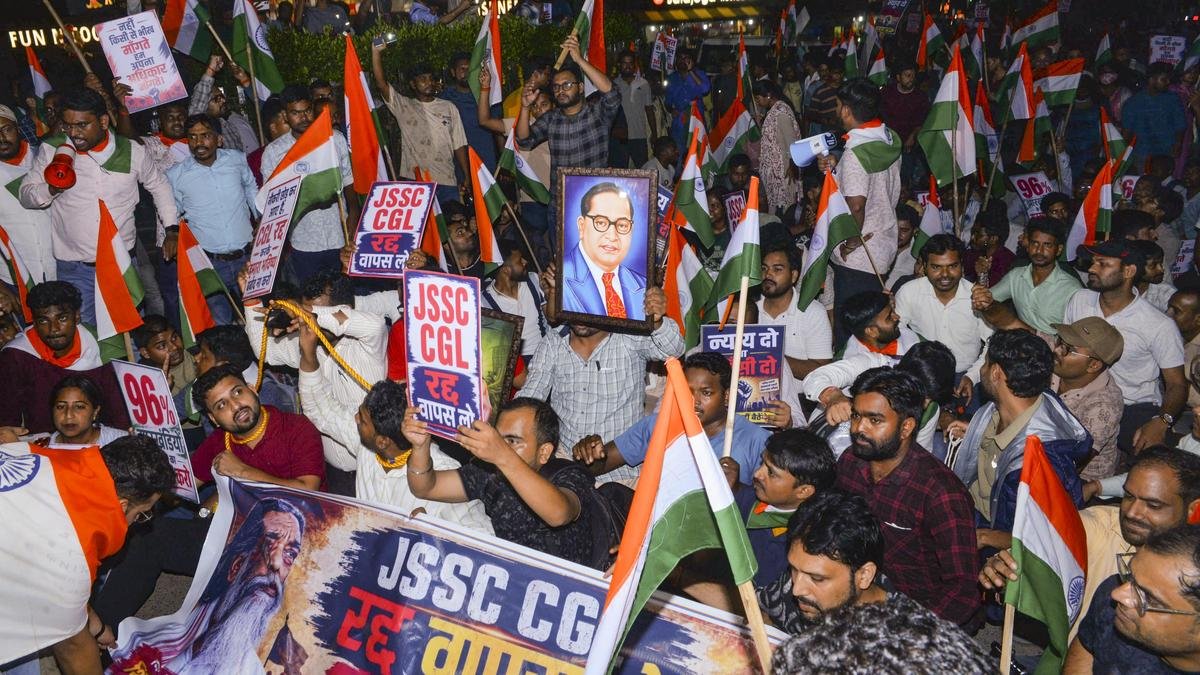
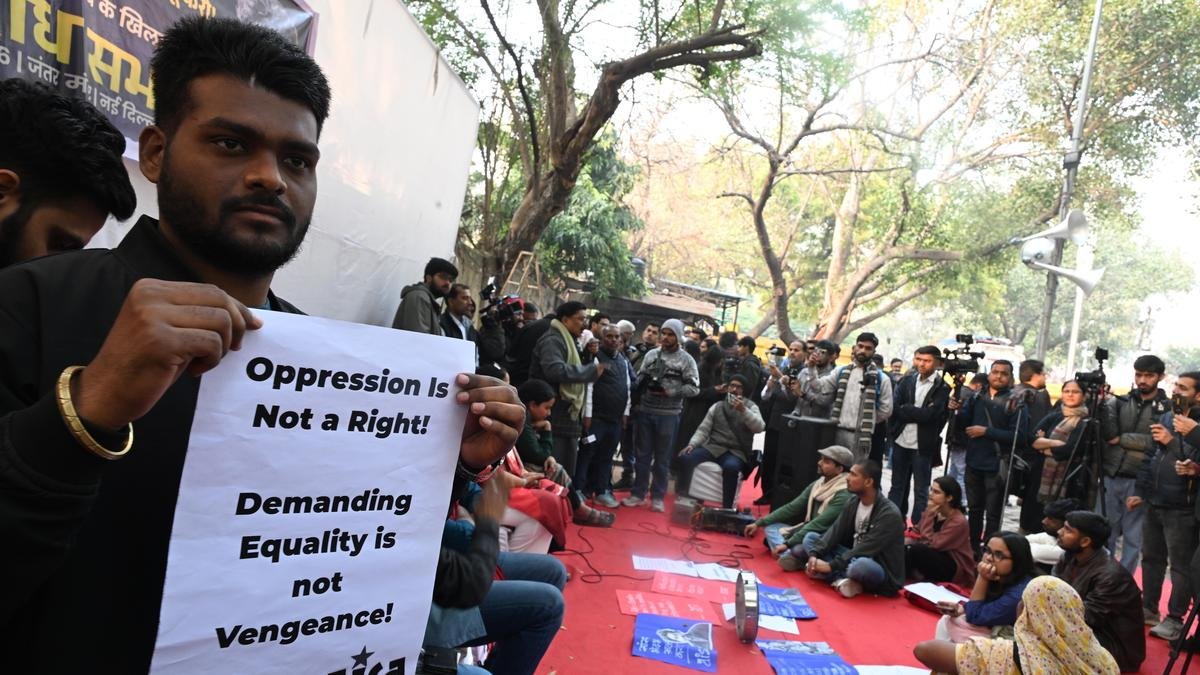
The legal impasse primarily revolves around Regulation 3(c). Critics, including various student groups, have argued that the definition of “caste-based discrimination” provided in the text is problematic. While the government aimed to protect marginalized groups, some factions—including upper-caste student bodies—have characterized the rules as “one-sided” and discriminatory, leading to protests at sites like Jantar Mantar. Conversely, petitioners representing the families of Vemula and Tadvi have argued that keeping the Regulations in abeyance effectively leaves marginalized students without the protections they desperately need, essentially equating an environment designed for safety to a “disabled” policy.
Impact on Higher Education Institutions
For universities and colleges, the uncertainty surrounding these regulations creates a difficult administrative environment. Institutions are currently tasked with enforcing the 2012 standards, yet they must also prepare for the possibility of a revised, more stringent framework.
Educational experts suggest that the debate touches upon a fundamental question in academic governance: how can institutions balance the protection of vulnerable student groups with the need for a universally applicable and fair disciplinary process? The court’s initial critique of the 2026 rules as “vague” highlights the challenge of drafting policy that is specific enough to punish discrimination without becoming so broad that it invites legal challenges for lack of clarity.
What Lies Ahead?
As the Union government seeks time to present a comprehensive response to the Supreme Court, the educational community remains in a state of flux. The promised special committee will be tasked with the delicate responsibility of synthesizing the original goal—ensuring equity and addressing historic systemic bias—with the legal concerns raised by the judiciary.
For students, faculty, and administrators, the outcome of this review will be a defining moment for campus culture. It remains to be seen whether the government will maintain the core tenets of the 2026 Regulations or if it will draft an entirely new framework that satisfies both the demands for social justice and the requirements of legal precision. Until then, the 2012 regulations continue to serve as the baseline for equity in the Indian higher education system.
Disclaimer: This content is auto-generated for informational purposes only.
Source: Read Original News