








The Ethanol Blending Mandate and the Challenge of Compliance
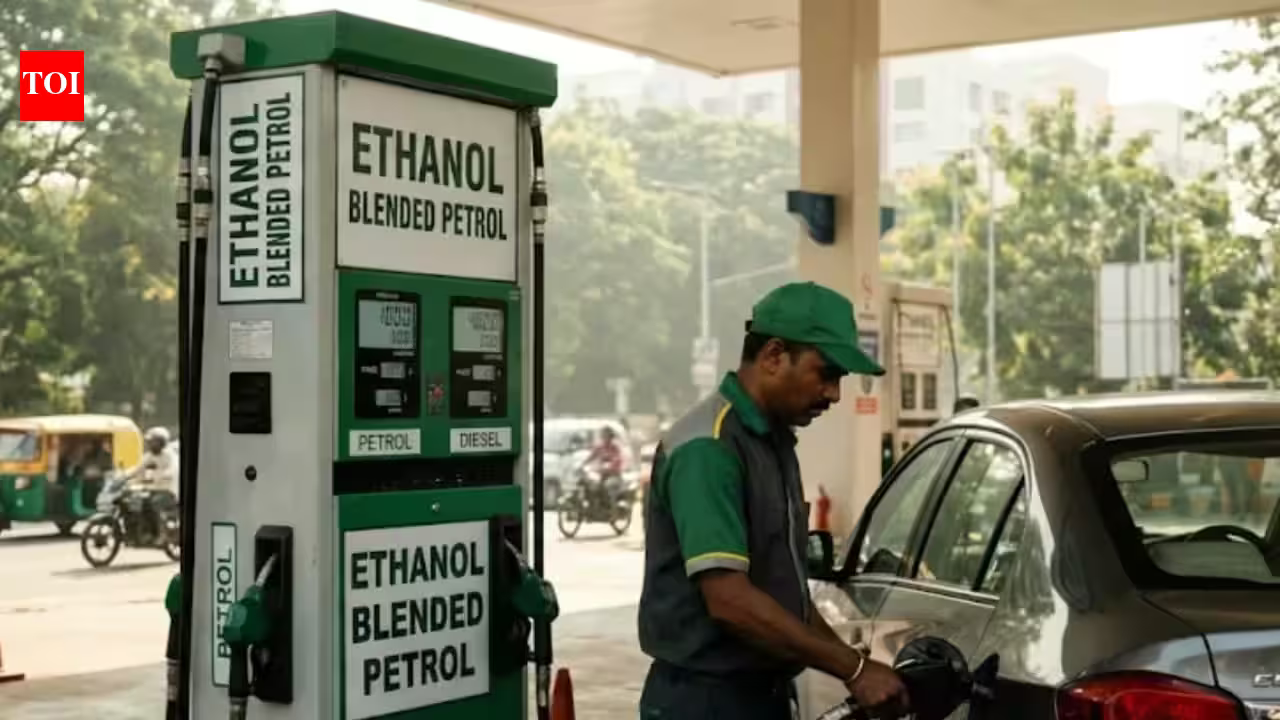
The Indian government has aggressively pursued its ethanol blending program, positioning it as a cornerstone of the national energy security strategy. By increasing the presence of ethanol in motor spirit—moving toward the E20 target (20 percent ethanol blended with petrol)—the country aims to reduce its massive crude oil import bill, support the agricultural sector by providing a lucrative market for sugarcane and grain producers, and lower the carbon intensity of the transport sector. However, the recent allegations leveled by the Karnataka government regarding ethanol concentrations exceeding the 30 percent threshold in several fuel samples have brought critical operational and technical risks to the forefront of this policy initiative.
The core of the issue lies in the operational capacity of the current retail infrastructure. While the Ministry of Petroleum and Natural Gas has pushed for rapid scaling of ethanol blending, maintaining a precise ratio across a sprawling, multi-tiered supply chain is an immense logistical challenge. When oil marketing companies (OMCs) distribute fuel, the blending process must remain consistent across pipelines, storage terminals, and individual retail outlets. If laboratory tests indeed confirm concentrations reaching 31.2 percent, it indicates a failure in quality control mechanisms at the point of dispensing, suggesting that the industry’s technical capacity may be lagging behind its ambitious policy timelines.
Technical Implications for India’s Automotive Fleet
From a mechanical perspective, the divergence from the E20 standard is not merely a regulatory infraction; it represents a tangible risk to the millions of vehicles currently navigating Indian roads. Automotive manufacturers in India have calibrated engines to function optimally with E20 fuel, incorporating specific materials for fuel hoses, seals, and injectors that can withstand the corrosive nature of ethanol. Ethanol is inherently hydroscopic, meaning it attracts water, which can lead to phase separation in fuel tanks—a process where the ethanol and water mixture separates from the petrol, resulting in poor combustion, engine stalling, and significant internal corrosion.
When ethanol concentrations drift significantly above 20 percent, the chemical properties of the fuel alter in ways that the existing fleet is not equipped to handle. Components designed for E20 may succumb to premature degradation when exposed to higher concentrations of ethanol over extended periods. For the Indian consumer, this translates into reduced fuel economy—as ethanol contains less energy per unit volume than pure petrol—and potentially catastrophic damage to fuel pumps and emission control systems. The Karnataka government’s push for an “E20 spoilage fund” highlights the urgent need to address who bears the financial burden when these supply-side irregularities manifest as private property damage for the vehicle owner.
Transparency and the Accountability Gap in OMCs
A critical dimension of the controversy is the allegation of non-disclosure by OMCs. The report that some major companies failed to declare ethanol levels in internal lab results is particularly concerning from a corporate governance perspective. In a highly regulated sector where pricing, distribution, and quality standards are largely controlled by state-backed entities, transparency serves as the primary safeguard for the consumer. If data regarding blending parameters is obscured, it hinders the ability of independent regulatory bodies and state governments to conduct effective oversight.
The demand for mandatory display of ethanol percentages at petrol pumps is a reasonable consumer protection measure that reflects international best practices in energy retail. By providing clear labeling, oil companies would allow consumers to make informed decisions and verify the product they are purchasing. The current lack of clarity creates an environment of suspicion, particularly when discrepancies between government-mandated limits and actual, tested retail outputs are identified. Ensuring that public sector undertakings (PSUs) and private players adhere to the same rigorous testing and disclosure standards is essential to maintaining public trust in the national energy transition.
Structural Reform in the Fuel Supply Chain
The Karnataka government’s call for a nationwide system offering different fuel blends points to the necessity of structural reform in how fuel is marketed. The “one-size-fits-all” approach to the E20 rollout may be fundamentally flawed given the diversity of the Indian automotive fleet, which includes everything from legacy two-wheelers that are sensitive to ethanol, to modern, compliant passenger vehicles. A tiered approach, where lower blends are available for older vehicles alongside E20 or higher, would mitigate the risks associated with rapid, uniform transition.
Furthermore, the investigative process undertaken by the Karnataka government—utilizing NABL-accredited and ISO-certified labs—sets a precedent for more robust local oversight. It suggests that states can and should play a more active role in monitoring energy quality, especially when the environmental and economic stakes are so high. This regional monitoring could eventually be integrated into a national quality assurance framework, forcing OMCs to modernize their blending equipment and terminal automation systems to ensure precision. The current reliance on manual or outdated blending technologies at some distribution centers is clearly insufficient for the precision required by the E20 mandate.
Future Outlook and Economic Sustainability
As India continues its march toward higher ethanol blending targets, the lessons from the current controversy will be pivotal. The sustainability of the biofuel program depends entirely on its technical execution. If the push for higher blending creates a narrative of damaged vehicles and hidden metrics, it risks undermining the public support necessary for the broader energy transition. Conversely, if addressed with transparency and technical rigor, this challenge could catalyze necessary upgrades to the nation’s fuel retail infrastructure.
The financial impact of this issue extends beyond the individual car owner. If the government is forced to compensate consumers or invest in massive infrastructure overhauls to fix blending inaccuracies, the cost-benefit analysis of the ethanol program could shift. The economic viability of the program relies on the assumption that ethanol is a cheaper, sustainable alternative to petrol. However, if the hidden costs of vehicle maintenance and engine damage are factored in, the true cost of “dirty” or “incorrectly blended” fuel may prove significantly higher than the price of importing crude. Therefore, the implementation of a rigorous quality control mechanism is not just a consumer issue—it is an economic necessity for the long-term success of India’s energy policy. Moving forward, the focus must shift from volume-driven targets to quality-assured distribution, ensuring that the transition to biofuels does not come at the expense of industrial integrity or consumer confidence.
Disclaimer: This content is auto-generated for informational purposes only.
Source: Read Original News