







Mexico is rapidly transforming from a traditional manufacturing hub into a critical pillar of the North American semiconductor supply chain. Under the umbrella of the U.S. CHIPS and Science Act, the country is leveraging the International Technology Security and Innovation (ITSI) Fund to pivot away from low-cost assembly toward high-precision semiconductor operations. This strategic evolution aims to reduce the Western world’s reliance on East Asian microelectronics while fostering a more resilient and integrated regional ecosystem.
Building a Technological Corridor
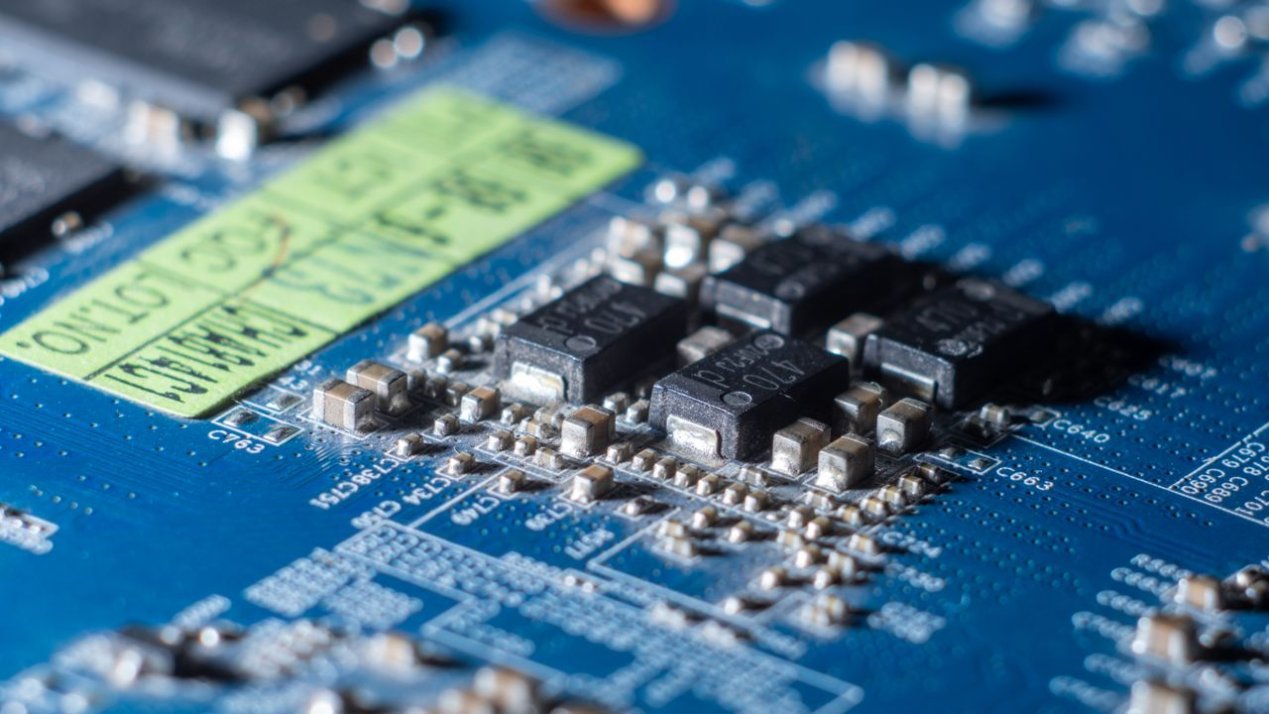
The collaboration between Washington and Mexico City centers on the “back-end” of the chip industry: assembly, testing, and packaging (ATP). While the United States focuses on cutting-edge, capital-intensive front-end wafer fabrication, Mexico provides the necessary infrastructure to manage the final steps of production. This division of labor is supported by the ITSI Fund, which facilitates cross-border regulatory alignment and diagnostics of Mexico’s technical capabilities.
The partnership represents a significant departure from the historical “maquiladora” model. Instead of basic consumer goods assembly, the new industrial roadmap—coined Plan México 2025–2030—is driving investment in advanced cleanrooms, high-precision robotics, and testing facilities. Industry leaders, including Alejandro Franco Rodríguez, CEO of QSM Semiconductores, view this as a move toward true technological sovereignty, allowing Mexico to capture more value from design through to final sales.
Regional Hubs Driving Innovation
Several Mexican states are emerging as specialized ecosystems, each tailoring its industrial focus to meet the demands of modern microelectronics and AI-driven tech:
- Baja California: Taking advantage of its proximity to the tech hubs of California and Arizona, this region has become a landing zone for giants like Qualcomm and Infineon. The focus here is on high-volume testing and sophisticated packaging, bolstered by local programs designed to train specialized technicians.
- Jalisco (Guadalajara): Long considered Mexico’s “Silicon Valley,” Guadalajara is upgrading its mature design community to handle complex edge-AI chip requirements. Its integration with global supply chains makes it a vital node for automotive and high-spec industrial chips.
- Central and Northern Corridors: States such as Aguascalientes, Chihuahua, and Puebla are attracting investment by linking semiconductor activities directly to the automotive sector. As electric vehicles (EVs) require an increasing number of chips for power management and autonomous driving features, these hubs are positioning themselves as centers for both manufacturing and design.
The Path to Long-Term Resilience
Despite the clear geopolitical momentum, success is not guaranteed. The semiconductor industry demands extreme operational precision, requiring consistent, high-capacity electricity grids, advanced water purification systems, and robust intellectual property protections.
Financial analysts, such as Juan José Cervantes of Trebol Capital, emphasize that attracting long-term foreign direct investment will require more than just geographical convenience. For Mexico to successfully sustain this “nearshoring” wave, it must guarantee legal certainty and transparency to reassure global companies that their proprietary technology and capital are secure.
The integration of Mexico into the US semiconductor architecture is a multi-year project that balances the “pull” of the CHIPS Act with the “push” of domestic Mexican reforms. By accelerating the pipeline for engineering graduates and investing in high-tech infrastructure, Mexico is positioning itself to be an indispensable partner in the future of the global technology industry. As the supply chain continues to decouple from traditional Asian clusters, this North American alliance stands as the primary candidate to secure the production of the microchips that power everything from household electronics to the next generation of artificial intelligence.
Disclaimer: This content is auto-generated for informational purposes only.
Source: Read Original News