






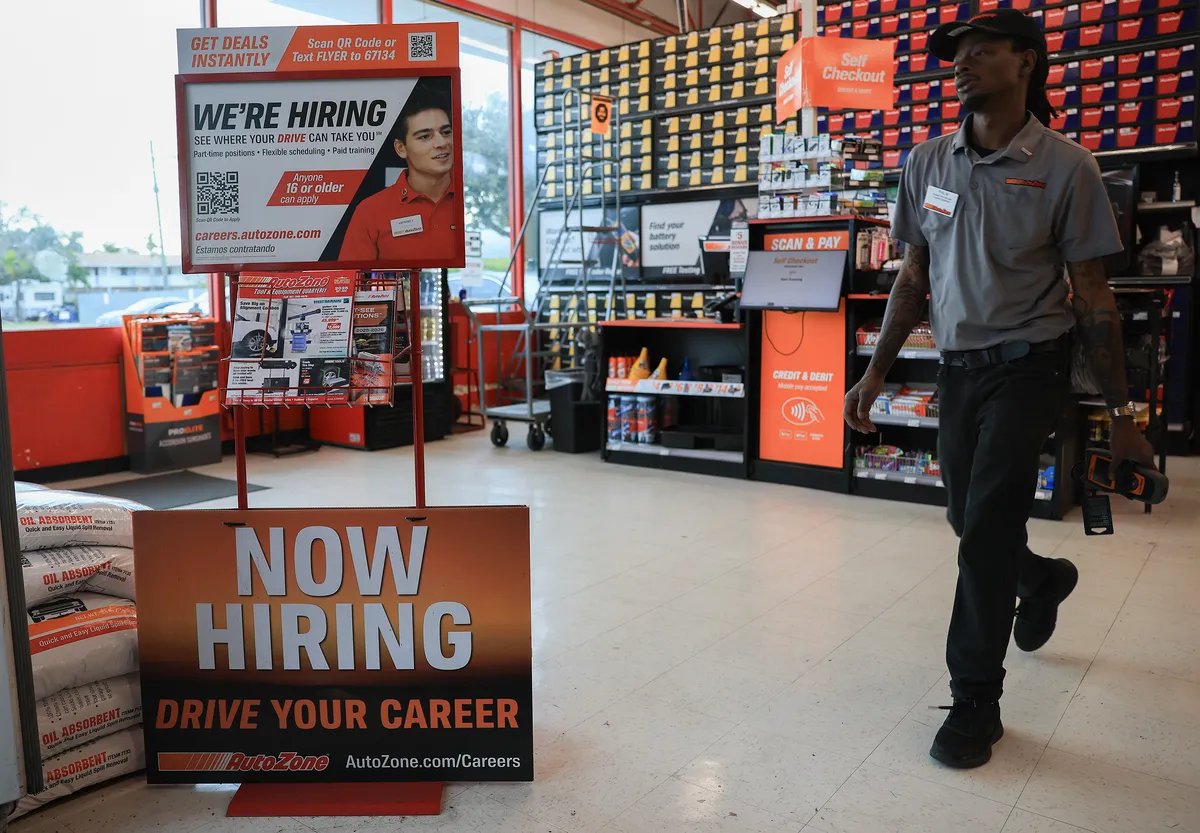
The U.S. labor market displayed unexpected resilience in October, characterized by broad-based hiring gains that have recalibrated market expectations regarding the Federal Reserve’s monetary policy. While economic indicators continue to signal a growing economy, the data reveals a complex landscape shaped by rapid technological adoption, shifting industry demands, and persistent concerns regarding wage growth relative to inflation.
The AI Influence on Hiring and Manufacturing
A significant driver of the current employment shift is the intensifying demand for artificial intelligence and cloud infrastructure. The construction and manufacturing sectors, in particular, are benefiting from a surge in capital expenditure on data centers. According to the latest payroll data, computer and electronic product manufacturing firms enjoyed their strongest hiring growth in four years.
However, the influence of artificial intelligence is creating a “tale of two markets.” While AI infrastructure drives hiring in industrial sectors, its adoption in white-collar fields is causing friction. Economists at Goldman Sachs noted that the impact of AI is becoming increasingly visible across non-manufacturing sectors, where higher rates of adoption are statistically linked to weaker job growth and localized increases in unemployment. Despite this, the information and financial sectors, which have previously struggled with AI-driven displacement, showed signs of stabilization last October, suggesting that companies are reaching a new equilibrium in their digital transformation strategies.
Fed Policy and Market Reactions
Federal Reserve Chairman Kevin Warsh recently characterized current employment conditions as “quite positive,” signaling that the central bank remains hyper-focused on maintaining price stability. Following the release of the robust October employment report, financial markets reacted swiftly; the yield on 2-year Treasury notes climbed, and the S&P 500 trended higher, reflecting investor confidence in the economy’s ability to avoid an immediate downturn.
Bloomberg economists Anna Wong, Andrew Sacher, and Eliza Winger noted that the summer’s widely reported “slowdown” appears to have been milder than initially estimated. With unemployment rates remaining low and wage growth showing firming signs, the labor market is not loosening at the pace many analysts had predicted. While the consensus expectation remains that the Fed will hold rates steady in December to account for tighter financial conditions, analysts warn that the risk of another rate hike has increased significantly due to the strength of these latest figures.
Structural Challenges and Wage Realities
Despite the positive headline payroll numbers, the report highlighted underlying structural challenges that continue to influence the American electorate. Wage growth, while showing a monthly rise of 0.4%, remains modest at a 3.1% annual clip—the slowest pace since 2021. For many households, this has meant that paychecks have failed to keep pace with inflation throughout 2026, fueling significant voter frustration.
The report also pointed to a cooling in labor market mobility. The median duration of unemployment has reached 11.9 weeks, the longest stint since 2021. Low turnover rates have left many workers feeling “locked in” to their current roles, struggling to find new opportunities as the market evolves. Furthermore, the number of individuals working part-time for economic reasons hit a six-month high, suggesting that while jobs are being created, they are not always meeting the full-time needs of the workforce.
As the economy continues to expand above its historical trend, businesses are balancing aggressive productivity goals with disciplined headcount management. The result is a labor market that is increasingly bifurcated: thriving where technology and infrastructure demand warrant growth, yet exhibiting lingering stagnation in sectors facing deep structural changes. With consumer sentiment reaching a three-month high in early November, the economy enters the final stretch of the year with momentum, albeit tempered by the ongoing friction of a changing workplace.
Disclaimer: This content is auto-generated for informational purposes only.
Source: Read Original News