





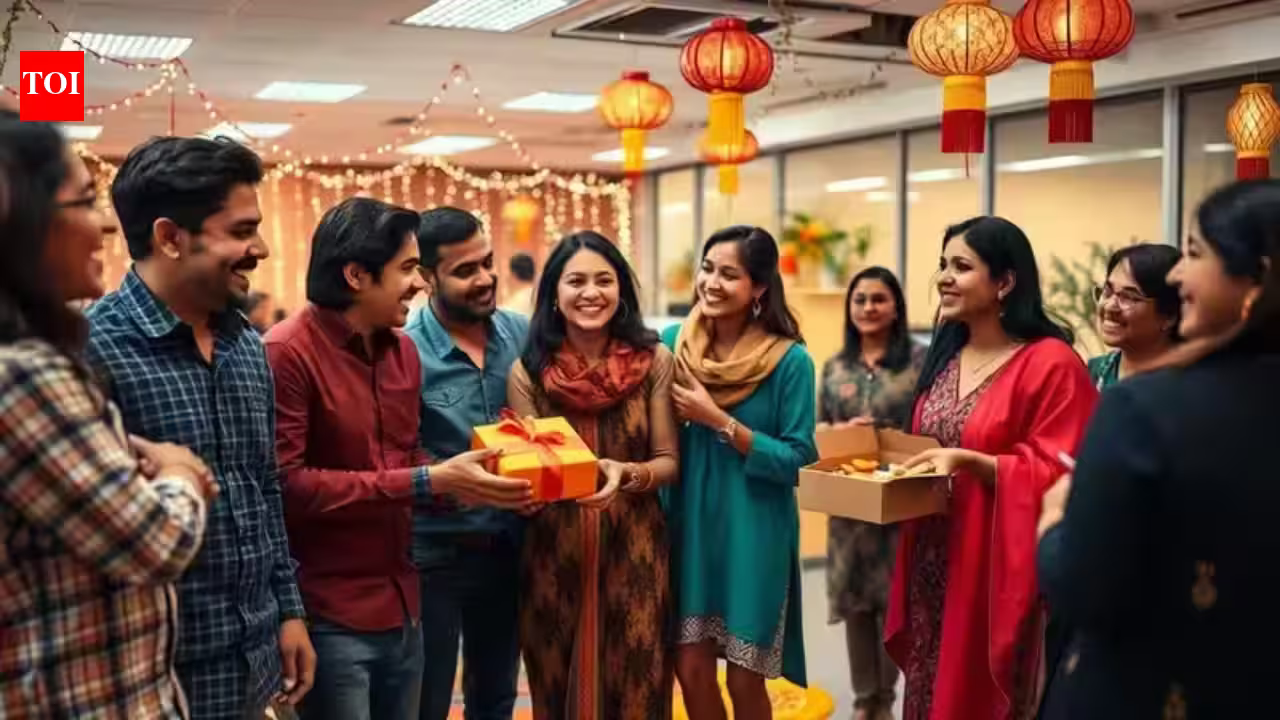
The Evolution of Corporate Diwali Incentives in India
In the competitive landscape of the modern Indian workplace, the approach to festival management has undergone a significant transformation. Diwali, being the most significant festival in the Indian calendar, is no longer just a period for formal greetings or mandatory office rituals. Businesses are increasingly viewing the festival as a critical juncture for employee engagement, retention, and the reinforcement of organizational culture. As the workforce becomes more diverse and geographically dispersed, employers are discarding one-size-fits-all gift boxes in favor of personalized perks, flexible working arrangements, and performance-linked financial incentives.
The current trend reflects a move toward human-centric management. By acknowledging the personal lives and cultural priorities of their staff, companies are effectively mitigating the friction between professional obligations and personal traditions. Whether it is through longer weekends, digital vouchers, or inventive scheduling, the strategic aim is to foster a sense of belonging that translates into long-term organizational loyalty.
Personalization as a Retention Strategy
A notable shift in corporate gifting is the transition from generic corporate merchandise to employee-choice models. Historically, Indian companies relied on standard gift hampers, often consisting of sweets or household goods, regardless of individual preferences. Today, organizations like Hitachi India have set a precedent by allowing employees to select their own gifts through internal voting mechanisms. This shift toward autonomy is not merely a logistical change; it is a manifestation of organizational respect.
When employees are empowered to choose between practical household appliances like air fryers or flexible financial tools like Amazon vouchers, the perceived value of the gesture increases substantially. This approach addresses the diverse needs of a workforce that ranges from young professionals living in rented apartments to established families with specific lifestyle requirements. By soliciting input from the workforce, companies demonstrate that they value the individual identity of their team members, which is a powerful driver of job satisfaction.
Flexibility and the Geography of Work
With a significant portion of the Indian workforce hailing from different regions than their current place of employment, Diwali often necessitates extensive travel. Traditionally, the rigidity of office hours posed a challenge for these individuals, often leading to leave-related stress. Modern human resource policies are increasingly addressing this through expanded work-from-home (WFH) initiatives.
Forward-thinking firms are integrating travel flexibility into their holiday calendars. By allowing employees to work remotely for periods surrounding the festival, organizations enable staff to return to their hometowns without depleting their annual leave balance. This hybrid strategy acknowledges the necessity of family time during the festival while maintaining the continuity of business operations. For firms such as Zepto, extending the holiday break itself by an additional day is a strategic decision that recognizes the need for a comprehensive “de-stress” period, allowing for safer travel and meaningful family engagement, which ultimately results in a more refreshed and productive team upon their return.
Ensuring Inclusivity for Essential Staff
A persistent challenge in the corporate sector is the disparity between office-based staff and those in support or operational roles. Maintenance, security, and housekeeping teams are often required to remain on-site during festivals to ensure the facility remains functional. This can create a sense of exclusion if not managed with care. Progressive firms are now implementing “role-reversal” exercises and inclusive scheduling to bridge this gap.
The initiative by NoBroker.com, where HR personnel take over essential duties for a few hours, serves as a powerful symbol of solidarity. By stepping into the shoes of those who keep the office running, leadership and administrative teams gain a deeper appreciation for the operational backbone of the organization. This practice ensures that no individual is forced to work in isolation while the rest of the office celebrates, creating a shared experience that transcends traditional hierarchy. Such interventions are vital for maintaining high morale across all levels of the organizational structure.
Financial Incentives for High-Demand Periods
In the gig economy and logistics sectors, the demand for service frequently peaks during the festival period. While office-based employees may enjoy time off, logistics, mobility, and delivery partners are often at their busiest. To maintain operational capacity without exploiting this necessity, firms like Trev Mobility have introduced sophisticated incentive structures that offer significant financial rewards for working during peak festive days.
These incentive programs are structured with transparency, allowing workers to choose their level of participation. By offering performance-based bonuses—such as doubling the daily payout for those who work through the designated festive block—companies align the interests of the business with the aspirations of the service provider. This approach turns an obligatory workday into a lucrative opportunity, ensuring that critical services remain operational while simultaneously improving the livelihoods of those in the field. It is a pragmatic solution that treats labor as a partner in success rather than a mere input.
Market Insights and the Future of Corporate Culture
The Indian corporate landscape is observing a clear trend: the integration of empathy into the business model. As competition for top talent intensifies, companies are finding that traditional benefits are no longer sufficient to maintain an edge. The inclusion of festivals into the business strategy provides an opportunity to build a unique corporate culture that resonates with the workforce.
Moving forward, the successful firm will be one that manages to balance the intense productivity demands of the modern economy with the social and cultural needs of its people. The current experiments with personalized gifting, flexible working, and incentive-based operational support are likely to become standard practices across the industry. By investing in the festive experience of their employees, Indian businesses are not just celebrating a cultural milestone; they are building a resilient, engaged, and motivated workforce capable of navigating the pressures of an increasingly fast-paced professional world. The focus is shifting from “managing employees” to “facilitating experiences,” a transition that will define the future of human resource development in the nation.
Disclaimer: This content is auto-generated for informational purposes only.
Source: Read Original News