








The Hidden Hazard Beneath Your Feet
As the clocks fall back and the temperatures begin their steady decline, our attention naturally shifts toward indoor comfort. We start layering up with sweaters, planning festive menus, and embracing the slow transition into winter. However, there is one part of our home setup that often gets ignored until we find ourselves performing an involuntary tap dance on a slippery surface: the garden path.
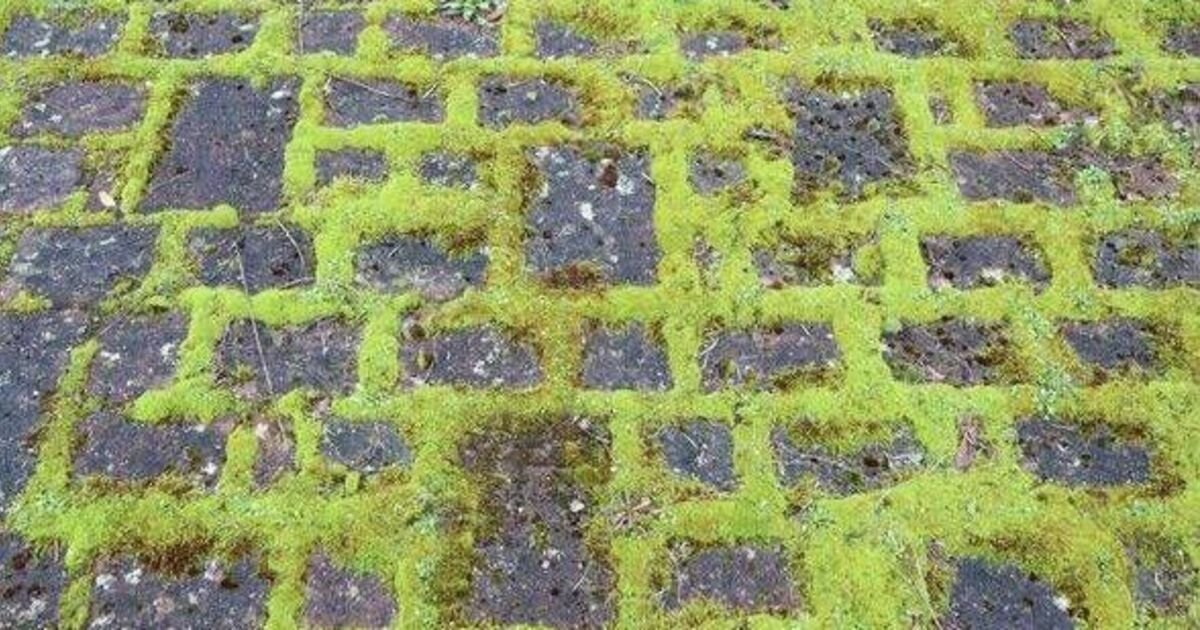
Monty Don, a name synonymous with sage gardening wisdom, has recently reminded us that November is the prime month to turn our attention to our patios and paving. While we are busy tidying up flower beds and bringing sensitive plants under cover, the walkways that guide us through our outdoor spaces can become a genuine hazard. Damp, shaded areas combined with the onset of autumn rains create the perfect breeding ground for moss and green algae. Left unchecked, these surfaces become slicker than a skating rink, turning a casual trip to the garden shed into a test of balance.
Why Friction Matters More Than Ever
The danger of a slippery path is not just a matter of convenience; it is a genuine safety concern as we move into the wetter months. Algae tends to thrive on porous surfaces like stone and brick, holding onto moisture long after the sun has gone down. Because these areas often remain in the shade during the shorter days of late autumn, they rarely get the chance to dry out completely.
The result is a film that acts as a lubricant, making even the sturdiest-looking stone pathway treacherous. Addressing this now is much easier than dealing with a fall later. Beyond safety, there is the simple aesthetic appeal. A clean path frames your garden beautifully, even when the rest of the greenery has retreated for the season. Keeping your walkways clear ensures that your outdoor space remains welcoming rather than intimidating throughout the winter.
The Pressure Washer Debate
When it comes to clearing these surfaces, the tool of choice for many is the pressure washer. It provides an immediate sense of satisfaction, blasting away layers of grime in seconds. If you have a particularly stubborn buildup of algae, a pressure hose is undoubtedly the most efficient method. However, there is a catch that even the most seasoned homeowners sometimes forget.
Pressure washers are powerful, and while they are excellent at removing algae, they can be a bit too enthusiastic. They often dislodge the vital grout or sand that sits between your paving slabs. This filling is essential for the structural integrity of your path, as it prevents weeds from taking root and keeps the stones from shifting over time. If you choose to use high-pressure water, approach the task with a bit of restraint. Use a steady hand and try to avoid aiming the nozzle directly at the seams. Think of it as a delicate cleaning process rather than a demolition job.
The Secret Power of Sharp Sand
Once your path is clean, or even if you prefer to avoid the water-heavy approach entirely, there is a simple, old-school secret to keeping your paving in top shape: sharp sand. This is a brilliant, low-tech way to maintain your paths without ever needing to touch harsh chemicals or expensive cleaners.
If you have used a pressure washer and notice some of the jointing material has washed away, simply pour some sharp sand over the area. Use a stiff-bristled brush to sweep it thoroughly into the gaps between the bricks or stones. The sand fills those spaces, creating a solid surface that discourages moss from finding a new home in the cracks.
For those who want to skip the water altogether, you can work the sand directly into the paving using a stiff broom. It is a bit of a workout, certainly, but it is incredibly effective. It serves a dual purpose: it provides grit that adds a layer of traction to the stones, and it physically fills the porous spaces where algae loves to cling.
Keeping Your Home Exterior Winter-Ready
Ultimately, maintaining your outdoor paths is about small, consistent habits rather than massive, weekend-long projects. By spending just an hour or two in November addressing the areas that collect the most water, you save yourself the stress of navigating a treacherous walkway all winter long.
You do not need to rely on complicated solutions. Sometimes, the best approach is the simplest one: clear away the debris, remove the algae, and ensure your joints are well-filled with sand. By treating your garden paths with the same care you give your indoor floors, you keep your home exterior looking sharp, clean, and—most importantly—safe for every family member to walk upon, no matter how much rain the season brings.
Disclaimer: This content is auto-generated for informational purposes only.
Source: Read Original News