









As the climate crisis intensifies, environmental organizations worldwide are increasingly turning to artificial intelligence as a powerful ally in conservation. From tracking illegal logging via satellite imagery to monitoring the acoustic patterns of endangered wildlife, AI is revolutionizing how we study and protect the natural world. However, this digital transformation has sparked a complex debate: can we justify the environmental cost of the very technology we are using to save the planet?
The contradiction is becoming impossible to ignore. While AI allows conservationists to process data with unprecedented speed, the heavy computing power required to fuel these systems relies on energy-hungry data centers. These facilities demand massive amounts of electricity and water, contributing to the rising greenhouse-gas emissions that drive the climate change environmental groups are fighting to mitigate.
“We recognize that AI can come with environmental costs, and we need to be thoughtful about how we use it,” said Ali Swanson, AI lead at the U.S. nonprofit Conservation International. For Swanson and her colleagues, the urgency of the biodiversity crisis necessitates the use of such tools. Her organization, for example, utilizes AI to analyze satellite-detected hotspots in remote regions of Cambodia, providing real-time alerts to forest patrols that prevent illegal wildfires before they escalate.
The scale of the “AI footprint” is staggering. Researchers at the United Nations University Institute for Water, Environment and Health warn that the global data-center footprint could more than double by 2030, occupying an area roughly twice the size of Jakarta. Furthermore, the International Energy Agency projects that by the end of the decade, data centers will consume approximately 945 terawatt-hours of electricity annually, generating over 300 million metric tonnes of carbon dioxide. The hidden thirst of these facilities is equally concerning: annual water consumption for cooling systems is expected to rise from 560 billion liters in 2023 to 1.2 trillion liters by 2030.
Tech giants, including Microsoft, Google, and Amazon—who provide the infrastructure for these AI applications—have already reported rising corporate emissions, a trend they attribute in part to the rapid expansion of their data-center operations.
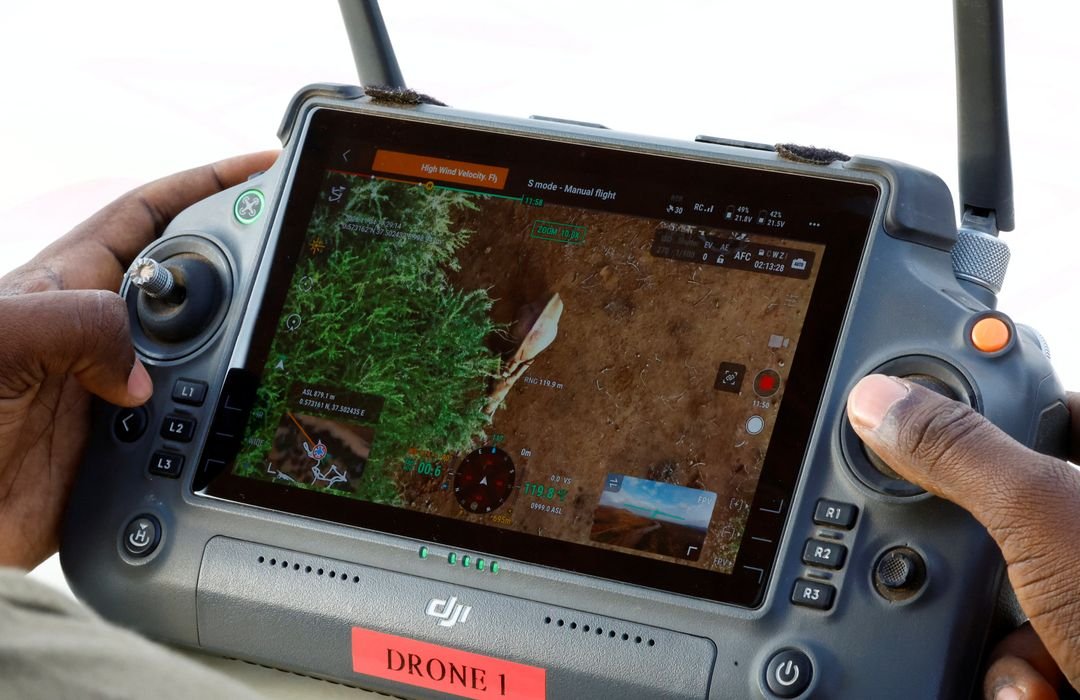
Despite these environmental externalities, many conservation groups argue that the net impact remains positive. The efficiency gains offered by machine learning often render previously impossible tasks routine. A notable case is Kenya’s Save the Elephants, which has utilized machine learning to refine population surveys. In a recent project, an aerial survey of the country’s largest protected area yielded 200,000 images. Previously, this dataset would have taken nine people nine months to review manually. Today, AI models can complete the analysis in mere hours. More importantly, the technology revealed that human-led surveys had significantly underestimated local populations, missing roughly one-third of elephants and half of zebras and giraffes in the area.
This tension between digital gain and ecological cost is set to take center stage at the upcoming UN COP31 climate conference. Host nation Türkiye is expected to lead a push for an international pledge, urging governments and tech institutions to adopt standardized principles for sustainable AI development. UN Secretary-General Antonio Guterres has added his voice to the call, urging major technology companies to move toward greater transparency by publicly disclosing the environmental impacts of their systems.
As the world looks toward COP31, the central challenge for environmentalists is to reconcile the “digital” with the “natural.” For many organizations, the question is no longer whether to use AI, but how to deploy it responsibly—ensuring that the technological tools meant to preserve the Earth do not inadvertently accelerate its destruction.
Disclaimer: This content is auto-generated for informational purposes only.
Source: Read Original News