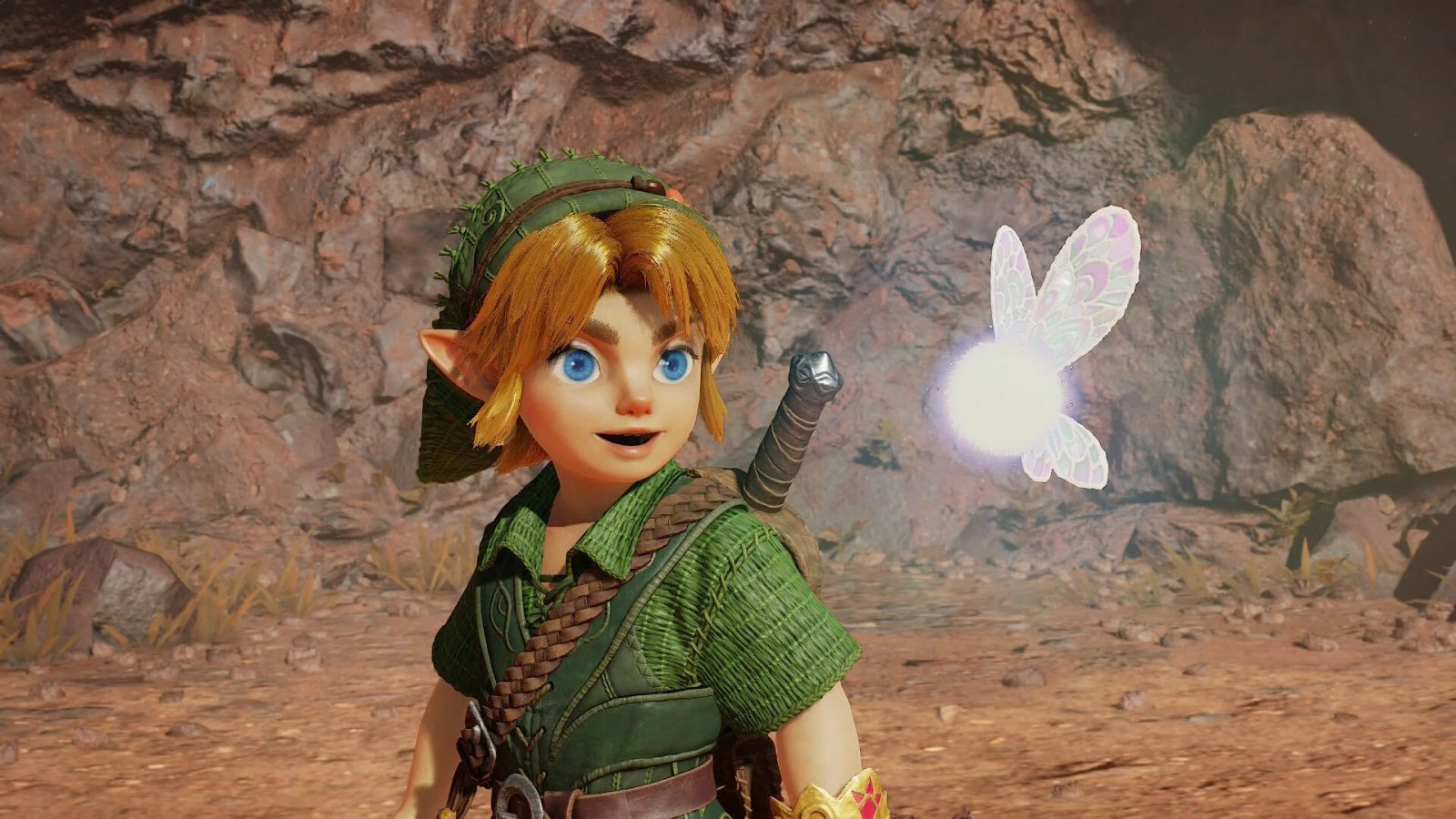









The landscape of PC emulation for newer console hardware has shifted significantly over the past forty-eight hours. Following the recent release of The Legend of Zelda: Ocarina of Time remake, the emulation community mobilized to address immediate compatibility hurdles. What began as a sluggish experience characterized by heavy visual artifacts and frame rates dipping into the teens has evolved into a remarkably playable state, showcasing the rapid pace of open-source development.
Rapid Advancements in Emulation Stability
The current progress is largely driven by the Lichii emulator, a fork derived from the Eglantine project, which itself builds upon the foundations laid by earlier initiatives like Eden and Sudachi. At launch, the Ocarina of Time remake struggled to maintain a consistent frame rate, often stuttering between 15 and 30 FPS. However, recent test builds have transformed this metric. Users reporting on the latest iterations are achieving a stable 60 FPS in early-game environments such as the Kokiri Forest and the Great Deku Tree.
These performance leaps are not merely cosmetic. Developers have pushed multiple test branches specifically tailored to this title, focusing on low-level graphics API adjustments. One critical fix involved modifying how the Vulkan scheduler manages the occlusion counter. By preventing the counter from resetting at each submission, the development team successfully eliminated the persistent white flashes that plagued initial sessions. Further refinements were implemented to address shader compilation, specifically targeting nested returns that previously caused black screens on systems utilizing AMD hardware.
Technical Optimization and Pipeline Management
The transition from a broken experience to a functional one is rooted in aggressive pipeline caching. The latest optimization branch, integrated into the repository recently, introduced a strategy that prioritizes background thread execution for pipeline construction during the boot process. By decoupling the rendering workload from the main game loop, the developers reduced the frequency of hitches and stuttering that typically occur when a game attempts to load assets in real-time.
Furthermore, the team addressed specific rendering faults by optimizing how storage buffers interact with memory pointers. This was particularly vital for rendering in-game vegetation, which was previously susceptible to white-wash artifacts. By binding these storage buffers behind loaded pointers, the emulator can now process complex environments more reliably. While minor issues like texture flickering on foliage and occasional audio desyncs remain, these represent the expected hurdles in an ongoing compatibility effort rather than fundamental flaws in the architecture.
The DLSS versus FSR Debate
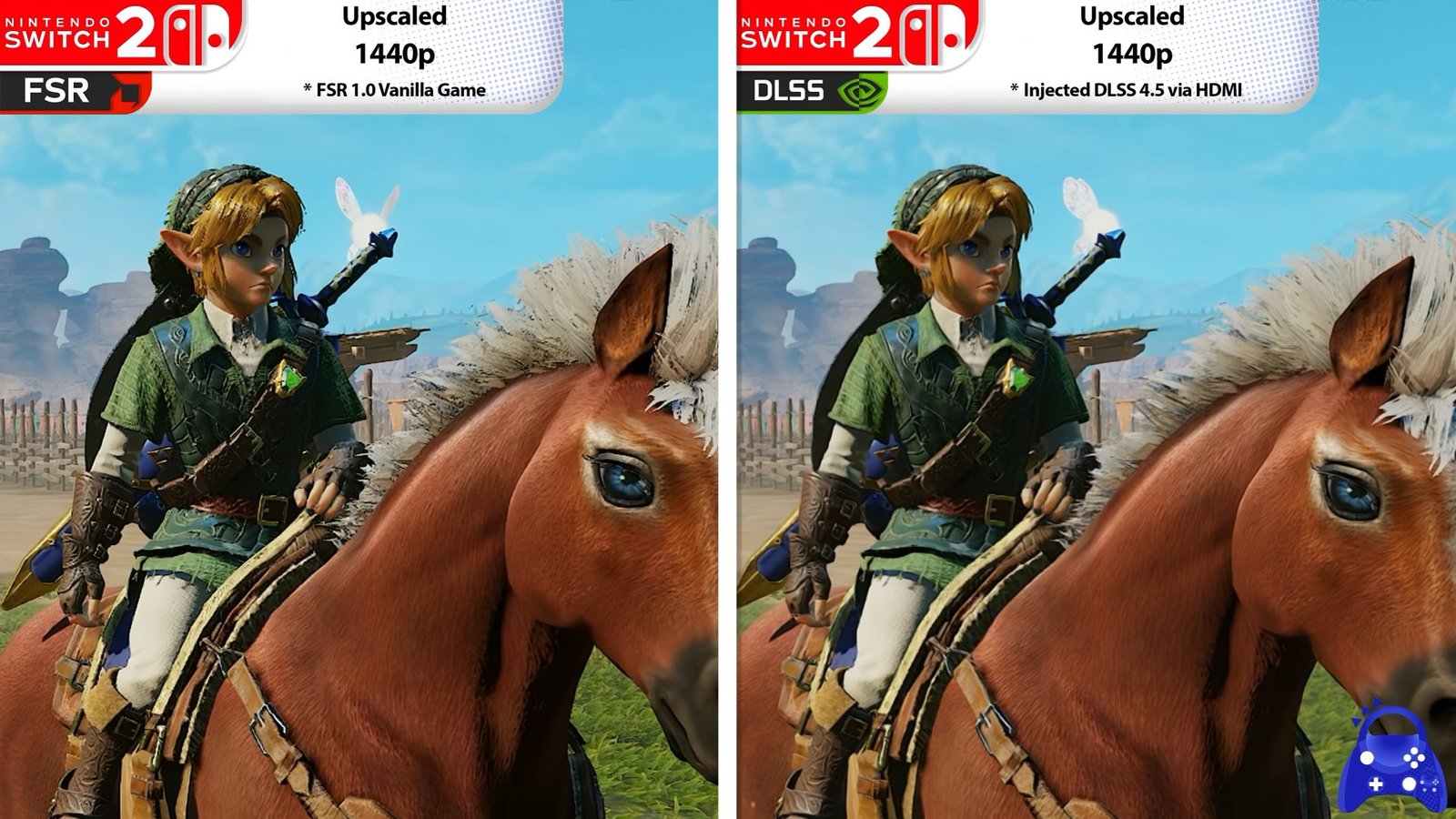
While emulator developers work to bridge the gap between console hardware and PC execution, the conversation regarding image quality has shifted toward upscaling technologies. The remake of Ocarina of Time utilizes AMD FidelityFX Super Resolution (FSR) 1.0, a choice that has drawn criticism for its tendency to leave visible shimmering and artifacts on the screen.
The stark contrast between FSR 1.0 and more advanced solutions like NVIDIA Deep Learning Super Sampling (DLSS) has become a focal point for enthusiasts. Through HDMI-injected DLSS, content creators have demonstrated that the visual fidelity of the game can be drastically improved, eliminating the aliasing and shimmering common in the native output. This comparison highlights a specific strategic choice by the developer: relying on an older, broad-compatibility spatial upscaler rather than implementing a temporal reconstruction model available in modern hardware suites.
Impact on Hardware and Future Compatibility
The ability of PC users to run modern, exclusive console titles at 4K resolution and 60 FPS demonstrates the power of contemporary gaming hardware when it is unshackled from proprietary software limitations. The utilization of an NVIDIA RTX 5070, for instance, allows for headroom that the original hardware simply cannot leverage. The community’s decision to focus on the Eglantine repository suggests that this framework will serve as a template for future Switch 2 emulation projects.
The current state of the emulation scene serves as a stress test for the capabilities of modern graphics cards and processors. By reverse-engineering the rendering pipeline of the Ocarina of Time remake, the modding community is gaining deeper insight into how the console manages resource allocation, shader compilation, and memory management. While the goal remains the preservation and accessibility of titles, the side effect is an unprecedented level of transparency into how these games are constructed and rendered.
The Road Ahead for Emulator Development
As the emulation community continues to refine the Ocarina of Time remake, the focus will likely shift from basic boot-stability to long-term graphical parity. With the core rendering issues largely settled, developers are expected to move toward perfecting asset streaming and input latency. The frantic activity within the Eglantine and Lichii servers indicates that there is no shortage of interest in optimizing this specific title.
The successful implementation of background pipeline caching and storage buffer binding proves that even complex, modern software can be adapted to PC environments with sufficient dedication. While the remake may never officially reach PC platforms, the work being done in these repositories ensures that the title will be preserved for players interested in higher resolutions and higher frame rates than those offered by the original console. As these fixes move from test branches to the main distribution, the gap between the emulated experience and the native console experience will continue to close, marking another milestone in the history of game emulation.
Disclaimer: This content is auto-generated for informational purposes only.
Source: Read Original News