








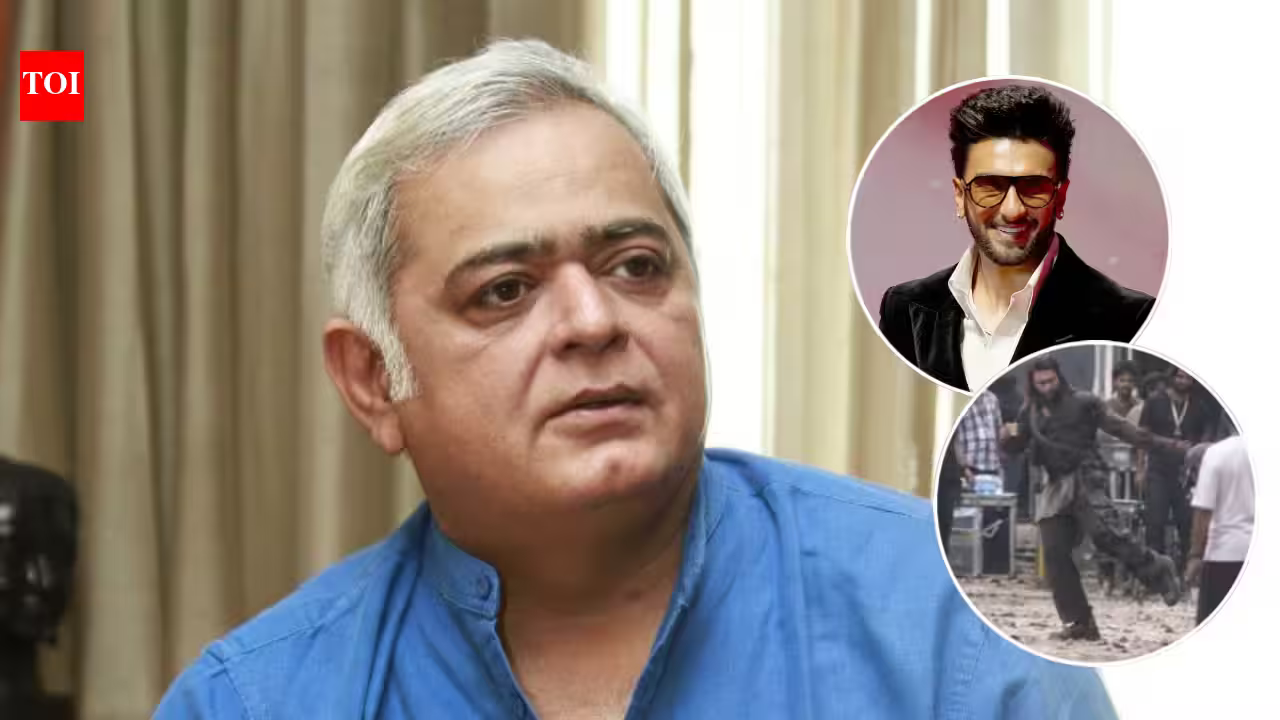
The vibrant, chaotic streets of Mumbai have long been the beating heart of Indian cinema. From the gritty alleys of Slumdog Millionaire to the sweeping romantic vistas of countless Bollywood classics, the city serves as the ultimate backdrop for stories that define a nation. However, the recent firestorm surrounding the production of Pralay—a high-stakes zombie thriller starring Ranveer Singh—suggests that the romance between Mumbai and its filmmakers is curdling into a bitter, bureaucratic nightmare.
When news broke that the Pralay production team had utilized the hallowed turf of Azad Maidan for a six-hour shoot, the backlash was swift. The Mumbai Cricket Association (MCA), a body that guards its pitches with the intensity of a jealous lover, raised immediate objections. The accusation? That a commercial film shoot had prioritized vanity over the development of future cricketing stars, leading to the forced postponement of essential inter-school matches.
The Bureaucratic Maze: A Filmmaker’s Plea
In the eyes of the public and the sporting establishment, this was a case of “big cinema” flexing its muscles at the expense of grassroots sports. But for Hansal Mehta, the veteran filmmaker and producer of Pralay, the narrative being spun is not only reductive but fundamentally unfair.
Speaking out against the mounting criticism, Mehta didn’t mince words. He insisted that the production team wasn’t merely cavalier; they were diligent. “Our shoot at Azad Maidan was fully permitted,” Mehta stated in an interview. “We have requisite permission letters from police departments, sports departments, including an acknowledgment of the same from the MCA.”
For Mehta, the incident at Azad Maidan is merely a microcosm of a much larger systemic rot. He paints a portrait of a city that, despite being the birthplace of Bollywood, has become fundamentally hostile to the very art form that put it on the global map. “A single location needs clearances from multiple departments, each with its own process, its own delays, and its own power to stop a shoot,” he explained. “Even when you have every permission, you are treated as if you are trespassing.”
The Grass is Greener Elsewhere
The frustration in Mehta’s voice is palpable—not just for himself, but for the industry at large. He points to a troubling trend: the exodus of film productions to other states. While Mumbai grapples with red tape and archaic protocols, other regions in India are rolling out the red carpet, viewing film crews not as nuisances, but as economic engines.
“Other states understand that a shoot brings jobs, business, and visibility,” Mehta noted. “Here, we are met with obstruction. I say this with much sadness as a proud Mumbaikar and Maharashtrian—this is why so many of us now prefer to shoot outside Mumbai.”
It is a stinging critique. For a director who has built his legacy on authentic, localized storytelling, the necessity of moving productions to Hyderabad, Uttar Pradesh, or beyond feels like a betrayal of the city’s identity. The question remains: can Mumbai afford to alienate the very people who have spent decades defining its cinematic soul?
The “Nuisance” Narrative
At the core of the conflict is a deep-seated mistrust between the administrative bodies of Mumbai and the film fraternity. Every shoot, regardless of its size, seems to trigger a defensive reaction from local authorities, as if the camera crew is an occupying force rather than a group of workers performing a legitimate job.
Mehta argues that this antagonism is self-defeating. “If Mumbai wants to remain the center of this industry, it has to stop treating its own filmmakers as a nuisance,” he urged. His defense of Pralay isn’t a plea for special treatment; it’s a plea for basic professional courtesy. He emphasizes that his team followed every rule, no matter how convoluted the path to compliance was. “We simply seek the cooperation of the authorities and a much-needed lack of mistrust in doing so.”
A High-Stakes Vision: What is ‘Pralay’?
The stakes for the Pralay team are undeniably high, adding another layer of pressure to the production. The film, a post-apocalyptic zombie thriller, is being touted as one of the most ambitious projects in contemporary Hindi cinema. With a massive budget reported in the neighborhood of Rs 300 crore and a cross-continental shoot planned across Australia, this is a film designed for a global audience.
The project marks the feature film directorial debut of Jai Mehta, Hansal Mehta’s son, and brings together the powerhouse energy of Ranveer Singh with the talent of Kalyani Priyadarshan. With such heavy investments and high expectations, the last thing the production needs is to be halted by disputes over a few hours on a cricket field.
The Future of Filming in the Metropolis
As the dust settles on the Azad Maidan controversy, the industry is left with a sobering realization: the “City of Dreams” is becoming increasingly difficult to dream in.
Hansal Mehta’s stance remains one of cautious optimism, though tempered by years of frustration. He maintains his love for Mumbai and his desire to tell its stories, but his patience is visibly fraying. The industry is reaching a tipping point where the logistical agony of shooting in the financial capital is beginning to outweigh the cultural cachet of being there.
If the city administration continues to view every shoot as a potential scandal, the inevitable result will be a hollowed-out film industry. For the sake of the scripts that are yet to be written and the local crews who rely on these projects for their livelihood, one hopes that the authorities take Mehta’s warning to heart. Mumbai may be the home of Indian cinema, but even a home requires a welcoming atmosphere to thrive. Until then, the silence on set might just be the sound of directors looking at their maps and choosing to fly away.
Disclaimer: This content is auto-generated for informational purposes only.
Source: Read Original News