






India’s Strategic Tech Push: Bridging the Digital Divide to Shape a Global Future
NEW DELHI – In a rapidly evolving geopolitical landscape, India is positioning itself as the world’s next great technological powerhouse. As global supply chains pivot toward more resilient alternatives, New Delhi has accelerated its efforts to transform its domestic infrastructure, aiming to leverage its massive youth population to lead the digital revolution of the 21st century.
A Vision for ‘Viksit Bharat’
The Indian government’s focus on the “Viksit Bharat” (Developed India) initiative is centered on the integration of cutting-edge technology into every facet of governance and daily life. From the expansion of the Unified Payments Interface (UPI)—which has become the gold standard for global digital public infrastructure—to ambitious plans for 6G connectivity, the state is betting heavily on innovation to drive economic growth.
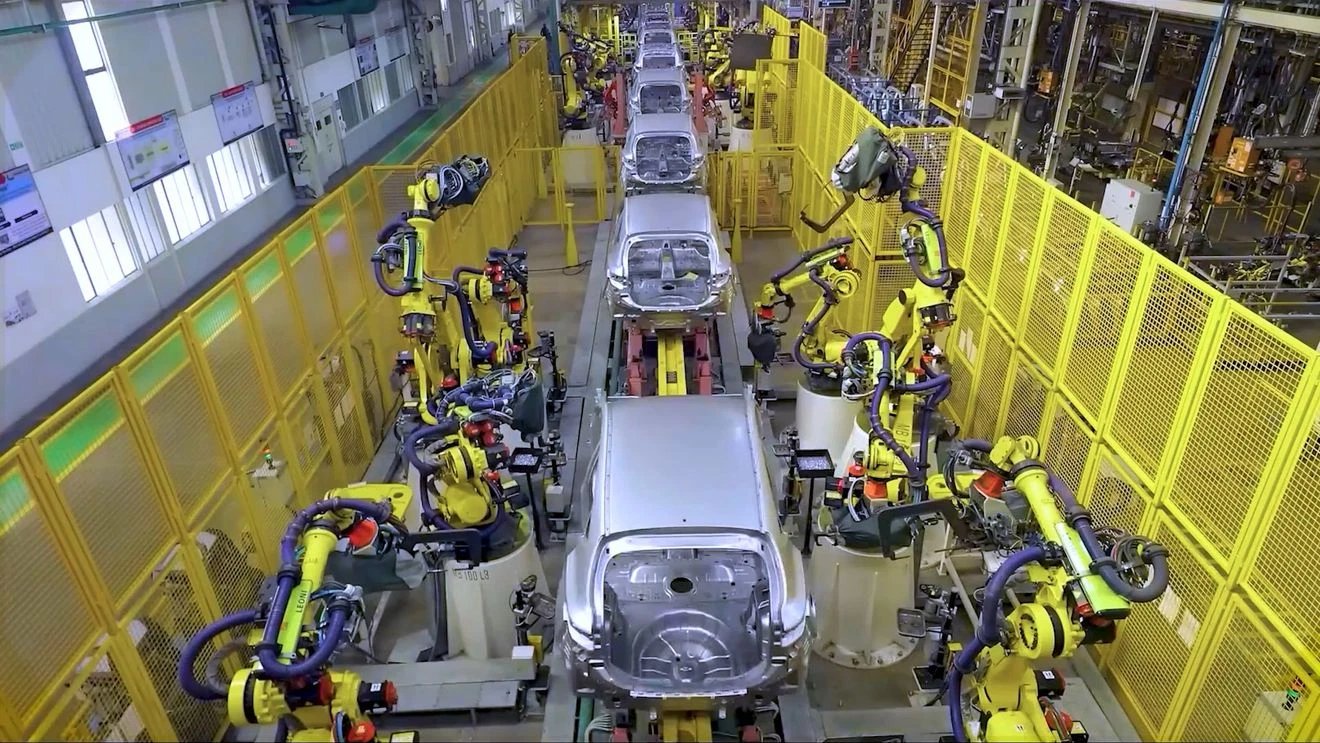
Policy experts suggest that India’s strategic investments in semiconductors and artificial intelligence are no longer just national goals, but global necessities. With the recent inauguration of several semiconductor fabrication units, India is attempting to secure a seat at the high-table of global chip manufacturing, a sector long dominated by East Asia. By incentivizing private sector participation through the Production Linked Incentive (PLI) schemes, the government is creating a fertile ground for startups and established tech giants alike to manufacture locally.
Empowering the Digital Hinterland
While the focus remains on high-end tech, the real success of India’s current growth story lies in its ability to bridge the gap between urban hubs and the rural hinterland. The BharatNet project, which aims to connect thousands of remote villages to high-speed fiber-optic internet, is the cornerstone of this inclusivity.
By digitalizing agrarian services and providing small-scale farmers with real-time data on market prices and weather patterns, the government is fostering a grassroots digital economy. This transformation is not merely about connectivity; it is about democratizing access to financial services, education, and healthcare through technology. Platforms like e-NAM (National Agriculture Market) and various tele-medicine portals are effectively shrinking the geographical distance that once hampered the potential of India’s rural workforce.
Navigating Geopolitical Headwinds
India’s ascent comes at a time of significant global uncertainty. Balancing its traditional strategic autonomy with a burgeoning partnership with Western democracies, New Delhi is carving out a unique niche. By championing a “Human-Centric” approach to AI and technology, India has distinguished itself from the models presented by China or the United States, advocating for ethical standards that prioritize public welfare and data sovereignty.
However, challenges remain. Issues such as the digital literacy gap, the need for robust cybersecurity frameworks, and the necessity of upskilling a workforce that is still heavily reliant on traditional sectors represent significant hurdles. To maintain its momentum, India must balance its rapid push for digitization with the protection of data privacy and the integration of sustainable energy practices.
As India moves forward, the world is watching closely. With a population that is increasingly tech-savvy and a government willing to facilitate large-scale systemic shifts, the nation is on a clear trajectory to define the next decade of digital history. Whether it succeeds in its ambitious goals will largely depend on its ability to turn high-level policies into tangible results for the common citizen.
Disclaimer: This content is auto-generated for informational purposes only.
Source: Read Original News