








The Convergence of Fashion and Extended Reality
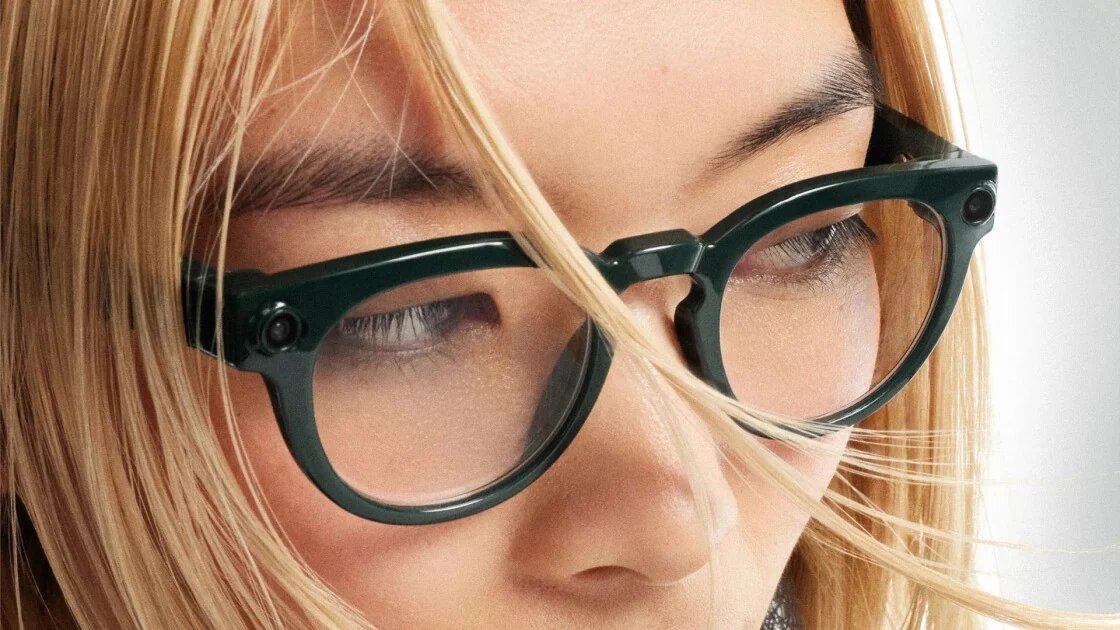
The landscape of wearable technology is set to shift significantly as Samsung prepares to enter the Android Extended Reality (XR) market. By aligning with industry leaders such as Google and fashion houses like Gentle Monster and Warby Parker, Samsung aims to bridge the gap between traditional eyewear aesthetics and high-performance computing. This strategic partnership signals a pivot toward consumer-grade smart glasses that prioritize design as much as digital utility.
Scheduled for a mid-December 2026 release, these devices represent a culmination of several years of development. The collaboration leverages Samsung’s hardware manufacturing expertise, Google’s robust AI ecosystem, and the established retail footprints of fashion-forward brands. Unlike bulky, industrial headsets that dominated early XR efforts, this new generation of smart glasses is designed to look and feel like conventional spectacles, aiming for seamless integration into the daily lives of everyday users.
Preorder Milestones and Retail Strategy
Warby Parker has solidified the timeline for its contribution to the project, announcing that preorders for its specific iteration of the smart glasses will commence on November 12. This launch marks a critical test for the adoption of head-worn computers. During a recent earnings call, Warby Parker co-CEO Dave Gilboa emphasized that the company anticipates a robust initial interest period. While the focus for late 2026 is on a controlled launch, the company plans to scale production and distribution efforts meaningfully throughout 2027.
The retail strategy is heavily reliant on physical accessibility. Warby Parker intends to introduce demonstration units across 65 of its United States locations. This “try-before-you-buy” model is essential for a product category that requires users to confirm comfort and fit, a factor that has hindered the mass adoption of previous wearable devices. Looking beyond the initial rollout, the company aims to expand these in-store demos to 360 locations, ensuring that consumers can interact with the technology before committing to a purchase.
Gemini Integration and Core Functionality
The technical foundation of these glasses appears to be anchored in the integration of Google’s Gemini AI. Early testing of prototype hardware indicates that the device operates primarily through an audio-centric interface. By offloading complex processing to the AI model, the glasses can provide real-time assistance, language translation, and information retrieval without the need for a cumbersome display that might obstruct the user’s field of vision.
The reliance on Gemini suggests that Samsung and Google are positioning these glasses as an AI-first assistant. Rather than focusing on immersive gaming or visual heavy lifting, the utility centers on ambient computing—where the technology assists the user in navigating their environment or managing tasks through voice commands. By keeping the interface mostly screen-free, the manufacturers can manage power consumption more efficiently, potentially extending battery life to match the requirements of a full day of wear.
Addressing Privacy and Public Perception
The rise of smart glasses has been met with both enthusiasm and apprehension. A significant hurdle facing this product category is the growing concern regarding surreptitious recording and privacy violations. As the presence of connected, camera-equipped eyewear grows, so does public scrutiny. In response, some public venues, such as bars and courtrooms, have implemented strict policies against the use of any recording-enabled wearable tech.
This backlash highlights a cultural tension between personal technological convenience and the expectation of privacy in public spaces. Samsung, Google, and their partners face the challenge of implementing hardware or software indicators—such as prominent LED lights—to signal when the device is active. How the industry addresses these “privacy-invading” critiques will likely determine whether these smart glasses are viewed as an empowering tool or a social liability. Successfully navigating this friction will be as important to the long-term viability of the product line as the underlying technical specifications.
The Market Outlook for 2027 and Beyond
While Samsung has kept detailed technical specifications under wraps, the industry is closely watching the December launch for clues on long-term viability. The partnership model, which distributes the design workload to fashion brands while keeping the core software and silicon under the purview of tech giants, is a calculated approach to overcoming the “unfashionable” stigma that doomed previous iterations of wearable glasses.
As the production cycle moves toward 2027, the success of this project will likely depend on software refinement. If the Gemini-powered voice assistant can prove its worth in real-world scenarios—such as navigation, accessibility, or productivity—the market may be willing to overlook the initial price point and social concerns. For now, the combination of a high-profile preorder date and a clear strategy for retail demos suggests that the tech sector is betting heavily on the idea that the future of computing will be worn on the face, provided it is stylish enough to blend in. Whether the public adopts these glasses as daily necessities or views them as invasive curiosities remains one of the most significant open questions in the current hardware cycle.
Disclaimer: This content is auto-generated for informational purposes only.
Source: Read Original News