







Cauvery Row Escalates: CM Vijay Urges PM Modi to Halt Mekedatu Project Inspections
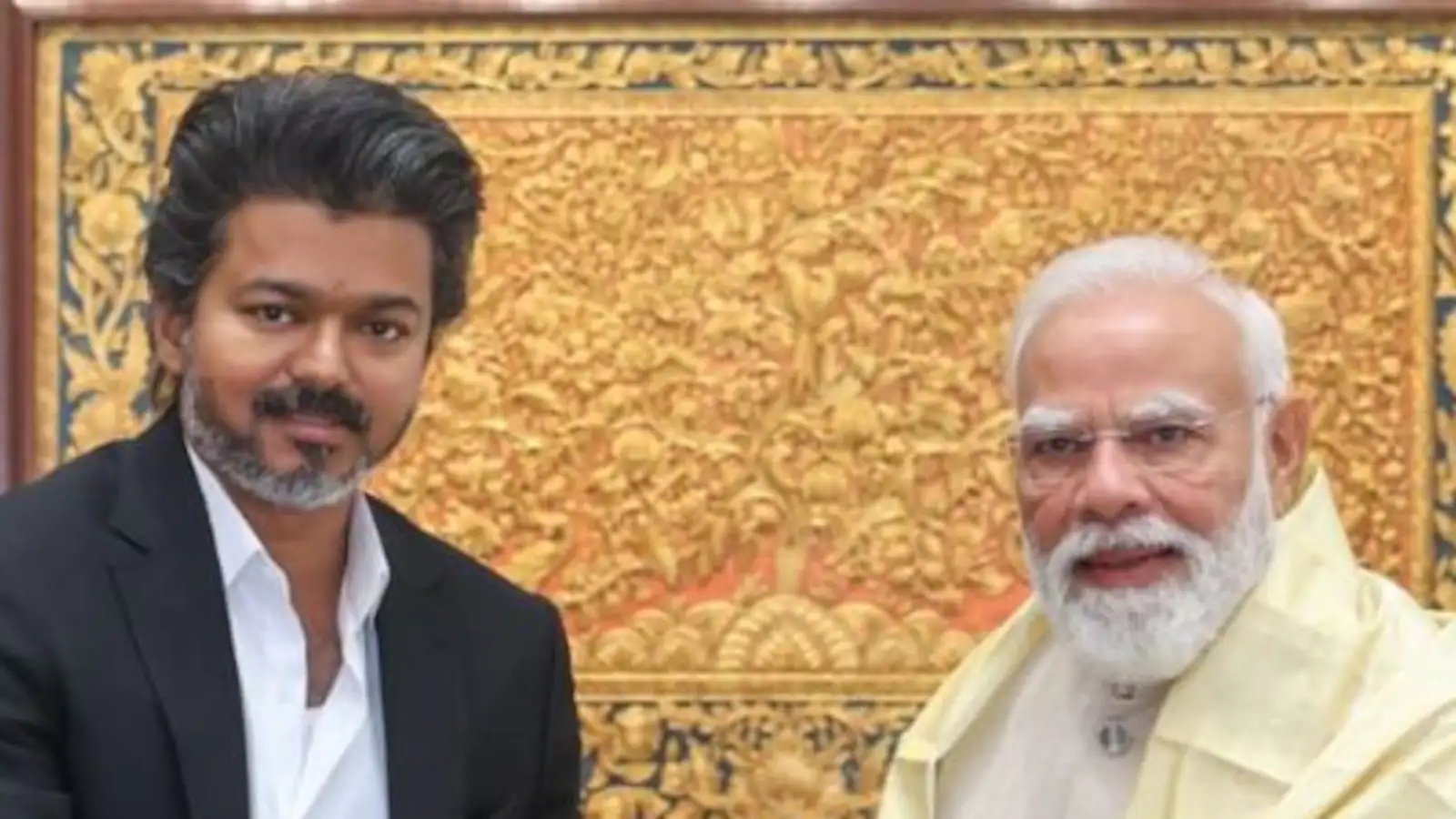
Chennai: Tamil Nadu Chief Minister C. Joseph Vijay has formally petitioned Prime Minister Narendra Modi, expressing grave alarm over reported site inspections by Central government officials at the proposed Mekedatu dam site. The Chief Minister has requested that the Union government refrain from granting any further statutory or administrative clearances for the project, emphasizing that the consent of all co-basin states is a legal and moral prerequisite.
The proposed dam, which Karnataka intends to build with a substantial capacity of 67.16 TMC, has long been a flashpoint between the two states. Located just upstream of the inter-state border, the project has triggered widespread anxiety among the Cauvery Delta farming community, who currently face a severe water deficit in the 2026-27 season.
Protecting the Rights of Lower Riparian States
In his communication to the Prime Minister, CM Vijay stressed that any unilateral technical evaluations or site visits by central agencies are deeply inappropriate. He argued that these actions undermine the existing legal framework governing the Cauvery river basin.
“It is vital that the rights of lower riparian states regarding both the quantum and regulated pattern of monthly water releases remain fully protected,” the Chief Minister stated. He cautioned that the construction of the reservoir would not only restrict natural flows into Tamil Nadu but also threaten to disrupt the monthly delivery schedules mandated by the Supreme Court.
The Chief Minister highlighted that the ongoing uncertainty has created a sense of “perpetual anxiety” among farmers, who view the reported site visits as a precursor to project approval—a development they believe would jeopardize their agricultural livelihoods.
A History of Legal Opposition
The Tamil Nadu government has consistently maintained a firm stance against the project, noting that the Cauvery basin is already classified as a deficit basin. To protect its interests, the state has exhausted multiple legal and administrative avenues:
- National Green Tribunal: On May 27, 2026, Tamil Nadu filed an application seeking to restrain the Union Ministry of Environment from granting any permissions pending the resolution of inter-state disputes.
- Legislative Consensus: The Tamil Nadu Legislative Assembly passed a unanimous resolution on June 19, 2026, demanding that the Ministry of Jal Shakti withhold any clearance for the project.
- Supreme Court Intervention: In August 2026, the state filed a writ petition in the Supreme Court challenging the Ministry of Jal Shakti’s December 2025 guidelines regarding the preparation of Detailed Project Reports (DPR) for irrigation projects in the Cauvery basin.
Demanding Deferment
CM Vijay’s latest letter urged the Prime Minister to instruct the Ministry of Jal Shakti and the Ministry of Environment, Forest and Climate Change to halt all technical evaluations and site inspections immediately. He reiterated that any advancement of the Mekedatu proposal without the consensus of lower riparian states violates the spirit of the Supreme Court’s February 16, 2018, judgment.
As the legal battle continues in the Supreme Court, the state government remains firm: without a guarantee that the project will not interfere with Tamil Nadu’s legally entitled water share, no clearance should be provided to the Karnataka administration.
Disclaimer: This content is auto-generated for informational purposes only.
Source: Read Original News