






The high-pressure environment of a hospital ward demands more from nursing students than just technical proficiency; it requires a sophisticated mastery of interpersonal dynamics. According to a recent qualitative study published in BMC Nursing, students in South Korea rely heavily on a practice known as nunchi—the ability to perceive subtle emotional and contextual cues—to navigate the complexities of their clinical placements.
Researchers Hyo Ju Jung and Sungkyoung Choi conducted in-depth interviews with seventeen undergraduate nursing students to examine how this “social acuity” functions as a bridge between classroom learning and professional reality. The study reveals that for students entering the ward, success is often determined by their ability to decode the informal social landscape of the hospital.
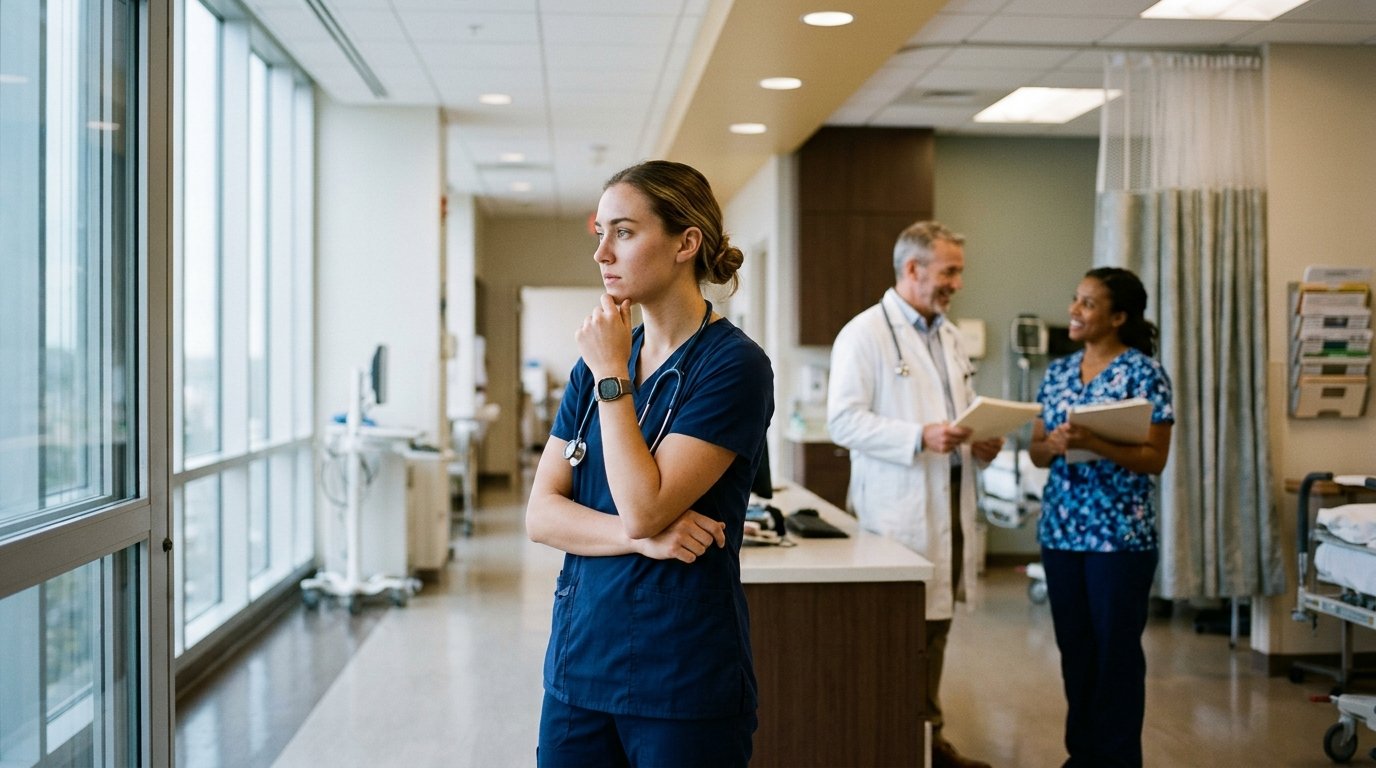
The research traces an arc of development, starting with the feeling of being an “outsider.” Students described their arrival on the wards as akin to being a guest in a space with established routines and unwritten rules. In this initial stage, social acuity is used primarily for survival. Students reported “scanning” the moods of staff and the rigid hierarchies of the ward to avoid mistakes and remain inconspicuous. While this constant vigilance was a necessary defense mechanism, the interviews highlighted a significant hidden cost: the mental energy spent on self-monitoring and social analysis was energy diverted away from active learning.
As the practicum progressed, however, a shift occurred. The study identified a transition from defensive cue-reading to proactive engagement. Students who developed a sharper sense of the ward’s rhythm began using their social acuity to identify opportunities. By anticipating staff needs and timing their interactions, they were able to move from the periphery of clinical work to active participation. This suggests that for these students, social acuity acts as a dynamic learning tool that turns clinical exposure into educational value.
This process is a key component of “professional socialization,” where students internalize the norms and values of their future careers. The study characterizes the clinical practicum as a site of the “hidden curriculum”—the informal, unspoken lessons that dictate how a nurse should behave. The researchers found that students who successfully decoded these social signals were not just surviving the rotation; they were beginning to imagine themselves as future members of the professional nursing community.
However, the study raises a concerning issue regarding equity in nursing education. The researchers found that the acquisition of this skill is largely unstructured. Because the “hidden curriculum” rewards those who can instinctively read social cues, students with prior interpersonal experience or backgrounds that mirror the clinical environment held a clear advantage. Those who lacked this head start often remained on the margins, missing out on vital learning opportunities simply because they were less adept at navigating the social atmosphere of the ward.
The authors argue that this inequity is a systemic failure that can be addressed through intentional pedagogical changes. They suggest that nursing programs should move away from the “sink-or-swim” model of clinical placements and instead foster more inclusive learning environments. Recommendations include providing clearer expectations for student roles, offering constructive feedback that addresses social navigation alongside clinical tasks, and creating structured spaces for students to reflect on the social dynamics they encounter.
Ultimately, the research suggests that social acuity is a teachable and essential competency. By acknowledging that clinical learning is as much about people as it is about procedures, educators can help ensure that the development of professional identity is accessible to all students, rather than leaving their professional growth to chance. As the study concludes, if nursing programs want their clinical training to be effective and equitable, they must provide the support necessary to help students decipher the complex social world of the hospital.
Disclaimer: This content is auto-generated for informational purposes only.
Source: Read Original News