







Tensions and expectations are running at an all-time high in informal settlements across the country as citizens head to the polls for the 2026 Local Government Elections (LGE). For millions living on the margins of urban centers, this electoral cycle is not merely a political formality; it is viewed as a critical turning point that could dictate the trajectory of their living conditions for the next half-decade.
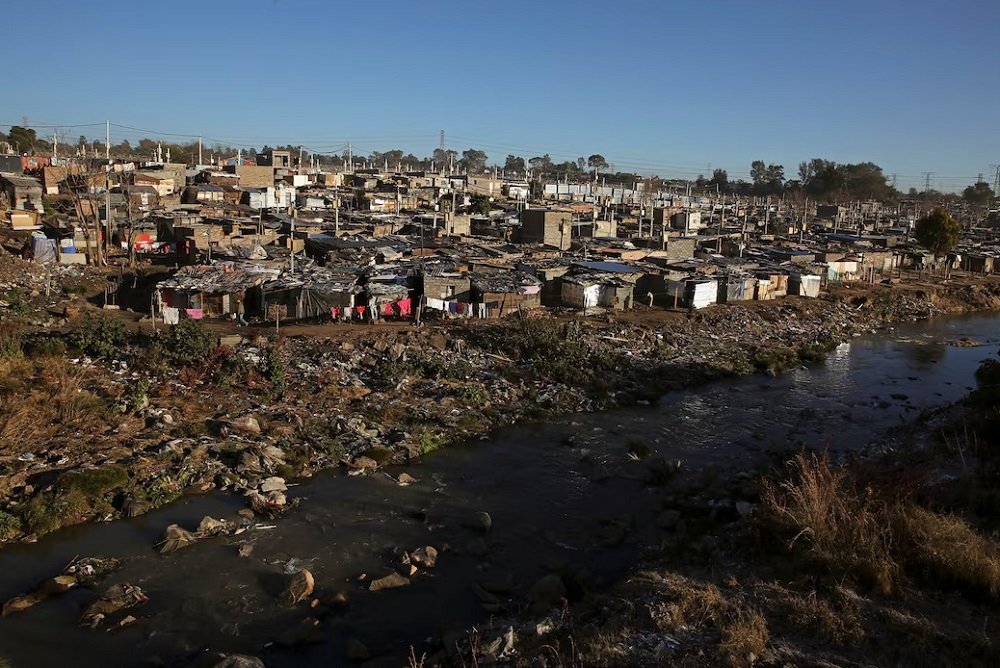
Walking through the narrow, unpaved alleyways of these settlements, one is confronted by the stark reality of the status quo: precarious housing structures, a chronic lack of basic sanitation, and limited access to reliable electricity. For residents like Thembi Mbeki, a mother of three living in a sprawling settlement on the outskirts of the capital, the ballot box represents a long-awaited contract for dignity.
“We have been promised water and permanent housing for every election since 1994,” Mbeki said, gesturing toward a communal tap that serves hundreds of families. “This time, the frustration is different. People are no longer interested in slogans. We are looking for candidates who can show us a plan for land tenure and essential services that actually work. We are tired of living in a state of ‘temporary’ waiting that has lasted for twenty years.”
Political analysts suggest that the informal settlement vote will be a decisive factor in these elections. Historically, these areas have been strongholds for major political parties, but shifting demographics and persistent service delivery failures have led to a surge in support for smaller, community-focused independent candidates and smaller opposition parties. The promise of “radical urban reform” has become the new buzzword on the campaign trail, with various parties scrambling to present manifestos that prioritize slum upgrading over complete relocation—a process many residents view as disruptive and isolating.
The Independent Electoral Commission (IEC) has noted a significant increase in voter registration in informal sectors compared to previous cycles. This suggests that the residents are increasingly aware of their collective bargaining power. Civil society organizations have been working overtime to educate voters on how to hold local councillors accountable, emphasizing that the LGE 2026 is the most direct way to influence municipal budgets, which ultimately control the funding for infrastructure and development.
As polling stations opened their doors this morning, long queues formed before sunrise. There is a palpable sense of urgency, with many residents hopeful that the new council will move beyond the reactive “firefighting” approach to service delivery and instead implement long-term structural investments.
Whether these high hopes will be met with transformative policy remains to be seen. However, one thing is clear: the residents of the nation’s informal settlements have made it known that they are no longer satisfied with being an afterthought. They are demanding a seat at the table, and they are using their vote to ensure they are no longer ignored.
Disclaimer: This content is auto-generated for informational purposes only.
Source: Read Original News