








The Rapid Unofficial Porting of The Legend of Zelda
The gaming industry witnessed a significant technical anomaly following the November 5 release of the Nintendo Switch 2 remake of The Legend of Zelda: Ocarina of Time. Within days of its launch on Nintendo’s latest hardware, the title has already appeared on platforms for which it was never intended. This rapid migration of proprietary software is the result of experimental emulation efforts, leveraging early jailbreak exploits for the PlayStation 5 and sophisticated memory management techniques on Apple’s mobile architecture. While these versions are currently far from stable, they demonstrate a breakthrough in cross-platform compatibility that challenges the closed-system nature of contemporary console gaming.
Technical Challenges on the PlayStation 5
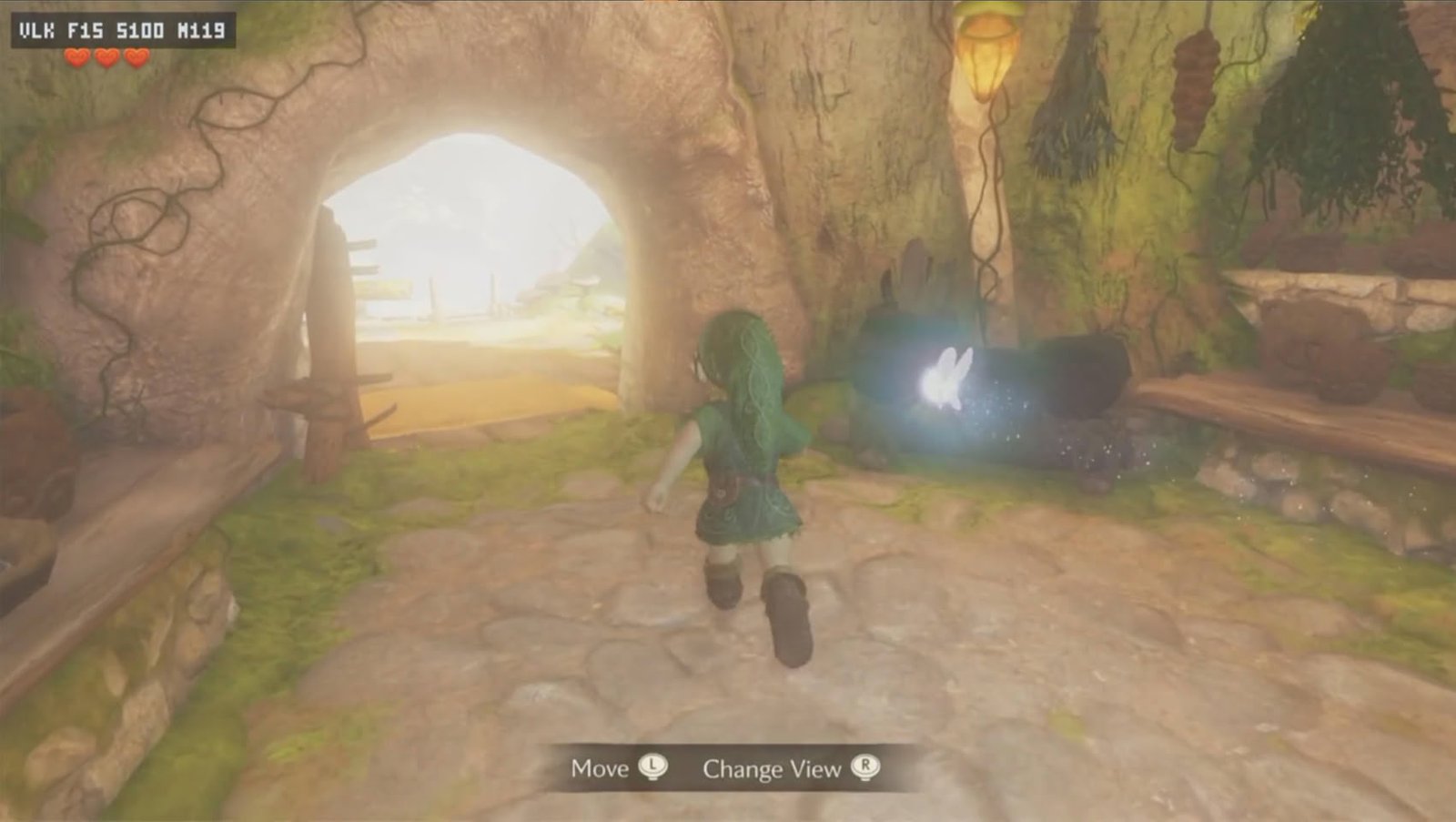
The attempt to bring the Ocarina of Time remake to the PlayStation 5 centers on the EglantinePS5 project. This initiative utilizes an emulator architecture derived from Eden, specifically tailored to bridge the gap between Nintendo’s custom hardware and the Sony ecosystem. Developers documenting their progress on GitHub have successfully managed to boot the game on firmware version 12.40, utilizing the widespread Relapse jailbreak that grants access to system-level functionality across a broad range of PS5 models.
However, the experience is currently experimental. Observations from the project maintainer, Vampinity, indicate that while the title can load save files and navigate the starting environment of Kokiri Forest, it faces severe stability hurdles. The performance fluctuates between 15 and 20 frames per second, and critical memory leakage causes the system to crash after only a few minutes of play. Visual artifacts, characterized by heavy white fog and the sudden disappearance of geometry, suggest that the shader translation layer—largely borrowed from previous forks of the Lichii emulator—is struggling to interface with the PS5’s graphics pipeline. Despite these limitations, the ability to execute even a portion of the code signifies a major milestone in reverse-engineering the Switch 2’s proprietary software stack.
Apple Hardware and Memory Management Breakthroughs
Parallel to the PS5 porting efforts, developer Joe Jiang has demonstrated the title running on an iPhone 17 Pro Max. This implementation is particularly notable for how it addresses the strict memory limitations imposed by the iOS operating system. Mobile applications are typically constrained by a strict memory ceiling, often capping out at 8,192 MB per process. Because the Switch 2 remake demands approximately 9 GB of memory to function as intended, standard emulation approaches usually trigger an immediate out-of-memory crash.
Jiang’s method involves a custom optimization layer that drastically reduces the active footprint of the game. By implementing dynamic resource management, the port peaks at approximately 3.4 GB during scene transitions and gameplay, keeping the application well within the boundaries of the Apple ecosystem. This engineering achievement is significant because the underlying methodology is not restricted to Ocarina of Time. Jiang asserts that this framework could serve as a foundation for porting a wide variety of Switch and Switch 2 titles to other platforms, including iPadOS, Apple TV, Android, and HarmonyOS. While the code has not yet been made publicly available, the demonstration proves that high-fidelity console experiences can be technically squeezed into mobile architecture if the resource management is sufficiently refined.
The Broader Impact of Early Jailbreaks
The existence of these ports is predicated on the availability of hardware-level exploits. The Relapse jailbreak, which is currently the gateway for PS5 software modification, is remarkably robust, covering firmware versions from 7.00 through 13.60. This widespread compatibility means that a significant portion of the global PS5 install base is theoretically capable of running non-native code. Similarly, the rapid success of booting games like Mario Kart World on Apple devices suggests that once a secure boot sequence is bypassed, modern high-performance hardware can be repurposed for unauthorized software execution with surprising speed.
For Nintendo, this situation represents an escalation of the cat-and-mouse game between console manufacturers and the emulation community. The fact that a flagship title reached unauthorized hardware in less than a week indicates that the barrier between proprietary software and general-purpose compute platforms is eroding. This level of interest typically stems from a desire to preserve titles in higher resolutions or superior frame rates that official hardware might not prioritize, or simply as a technical exercise in challenging the limitations of locked ecosystems.
The Road to Playability
Despite the current excitement, it is important to clarify that neither the PS5 nor the iPhone iterations are suitable for casual play. The developers behind these projects acknowledge that they are currently in the proof-of-concept phase, focusing on successful execution rather than user experience. The missing geometry, visual corruption, and memory stability issues on the PS5, coupled with the lack of peripheral support on the iPhone, confirm that these ports are early architectural experiments.
Moving forward, the primary hurdle for these teams will be refining the shader cache processing and improving system instruction compatibility. Whether these projects evolve into fully functional emulators or remain as academic demonstrations of code portability, they have already forced a conversation about the accessibility of digital software. As developers continue to refine these tools, the industry will likely see a push for more robust protections against code extraction, even as community-driven efforts to decouple games from their original hardware continue to gain momentum. For now, the successful boot of such a complex remake remains a testament to the persistent curiosity of the software engineering community.
Disclaimer: This content is auto-generated for informational purposes only.
Source: Read Original News