









Wellington’s biting winds have done more than just ruffle the flags at the Basin Reserve; they have stirred a tempestuous debate within the Indian cricket fraternity. Following the second ODI against New Zealand, former Indian cricketer Dodda Ganesh has ignited a fierce dialogue regarding the team’s strategic blueprint, specifically targeting the promotion of Axar Patel in the batting order.
As the Men in Blue look to finalize their core combinations ahead of future assignments, the decision to elevate Axar to the No. 5 position has come under intense fire. Ganesh, never one to shy away from calling a spade a spade, took to social media to voice his disapproval, suggesting that while the all-rounder is a valuable asset, his current role in overseas conditions is a miscalculation that stifles the growth of more specialized middle-order batters like KL Rahul.
The “No. 5” Dilemma: A Tactical Misstep?
The heart of the controversy lies in the team management’s perceived obsession with maintaining a left-right batting combination. While cricket logic often favors such pairings to disrupt the rhythm of bowlers, Ganesh argues that it should not come at the cost of personnel who are better suited for the demands of the middle overs in SENA (South Africa, England, New Zealand, Australia) countries.
“I say it again: Axar Patel can’t be your No. 5 in SENA countries,” Ganesh wrote in a pointed post on X. “He could play a cameo here and there but he’s definitely not a long-term solution. You are denying KL Rahul the game time.”
The argument is centered on the technical requirements of navigating the movement and extra bounce inherent to pitches in New Zealand. While Axar has shown flashes of brilliance with the bat, critics contend that his technique is better suited for a finishing role at No. 7 or No. 8, where the pressure to stabilize an innings is secondary to the need for rapid-fire scoring.
A Top-Order Collapse and the Rahul Remedy
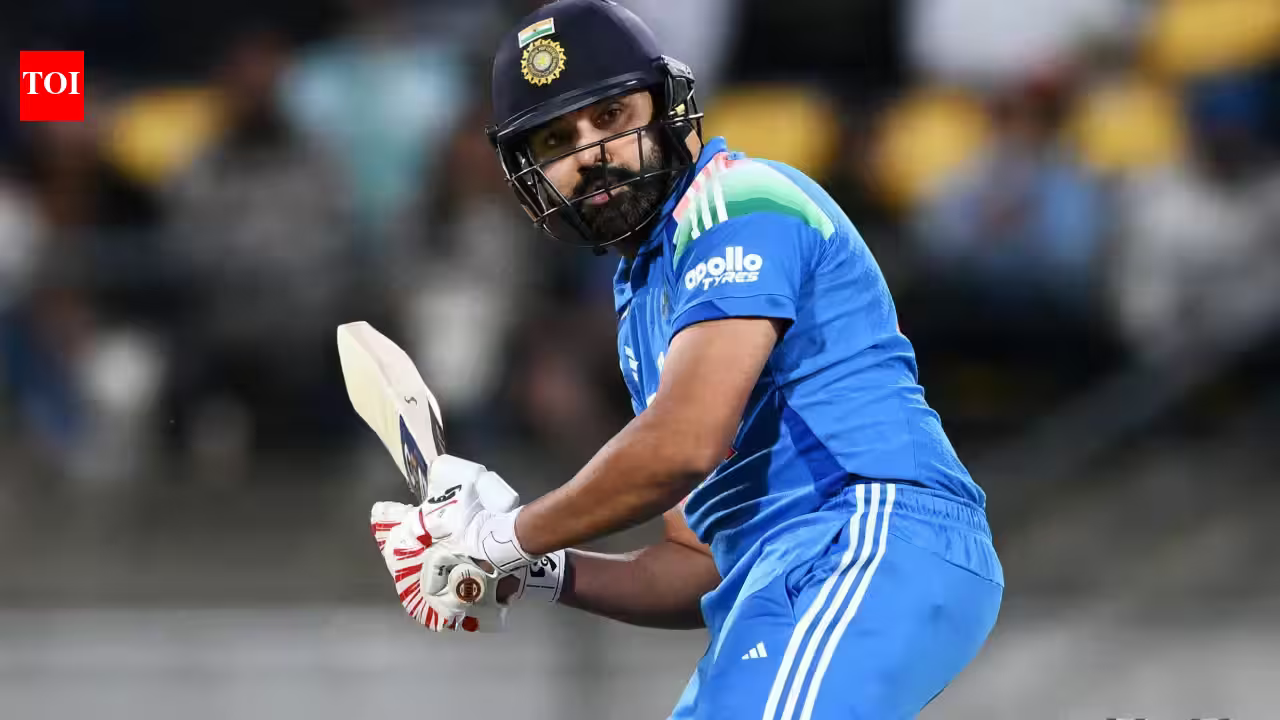
The scrutiny reached a boiling point during the rain-shortened second ODI. Chasing a modest target of 135, India’s top order crumbled against a clinical New Zealand pace attack led by Jacob Duffy. Shubman Gill’s departure for a first-ball duck and Virat Kohli’s exit for a mere seven runs left the visitors reeling. Rohit Sharma, playing with his trademark flair, contributed 23, but the instability at the crease was palpable.
When Axar Patel walked out to bat at No. 5, the expectation was a partnership that could calm the nerves of the dressing room. Instead, his attempt at a delicate ramp shot backfired, resulting in a dismissal that yielded only seven runs. This collapse pushed India to a precarious 47/4, leaving the tail exposed to an aggressive Kiwi bowling unit.
It was only when KL Rahul settled in that the ship began to steady. Rahul, who has often been shunted down to No. 6 to accommodate the team’s tactical whims, displayed the composure of a veteran. By negotiating the testing opening spell and waiting for the right opportunities to unleash his pull shots—including a signature six—Rahul provided the technical blueprint that the higher-order batters had failed to execute. He remained unbeaten on 26 when the heavens opened, steering India to 113/7 and a win via the DLS method.
The Bowling Foundation
While the batting order is causing headaches, the bowling department provided a masterclass in discipline. The seam-bowling trio of Gurnoor Brar, Auqib Nabi, and Anshul Kamboj were instrumental in dismantling the New Zealand lineup for just 134.
Gurnoor Brar was the pick of the bowlers, returning career-best figures of 4/30. His ability to hit the deck hard proved perfectly suited for the Wellington conditions, while Nabi (2/31) and Kamboj (2/25) ensured that the pressure remained unrelenting. Daryl Mitchell’s 55 was the lone bright spot for the hosts, but the foundation laid by the Indian bowlers ensured that even a stuttering chase was enough to secure a 2-0 lead in the five-match series.
The Road Ahead: Stability or Experimentation?
Ganesh’s critique brings to the surface an underlying tension between modern analytical tactics and the traditional need for batting depth and specialized roles. India’s management, under the guidance of the coaching staff, has championed flexibility, but there is a growing consensus among former players that this “experimentation” is beginning to look like confusion.
If KL Rahul is to be India’s primary middle-order anchor, logic dictates he must be given the time and the batting position to play that role effectively. Forcing him into the No. 6 slot while promoting all-rounders higher up the order may yield short-term gains, but in the unforgiving arenas of world cricket, it is technical consistency that wins series.
As the caravan moves on to the next encounter, all eyes will be on the team sheet. Will the management persist with the current left-right dynamic, or will they heed the warnings of veterans like Ganesh and provide a more settled structure for their primary middle-order batters? For now, India leads the series, but the questions regarding the long-term solution at No. 5 remain as swirling as the wind at the Basin Reserve.
Disclaimer: This content is auto-generated for informational purposes only.
Source: Read Original News