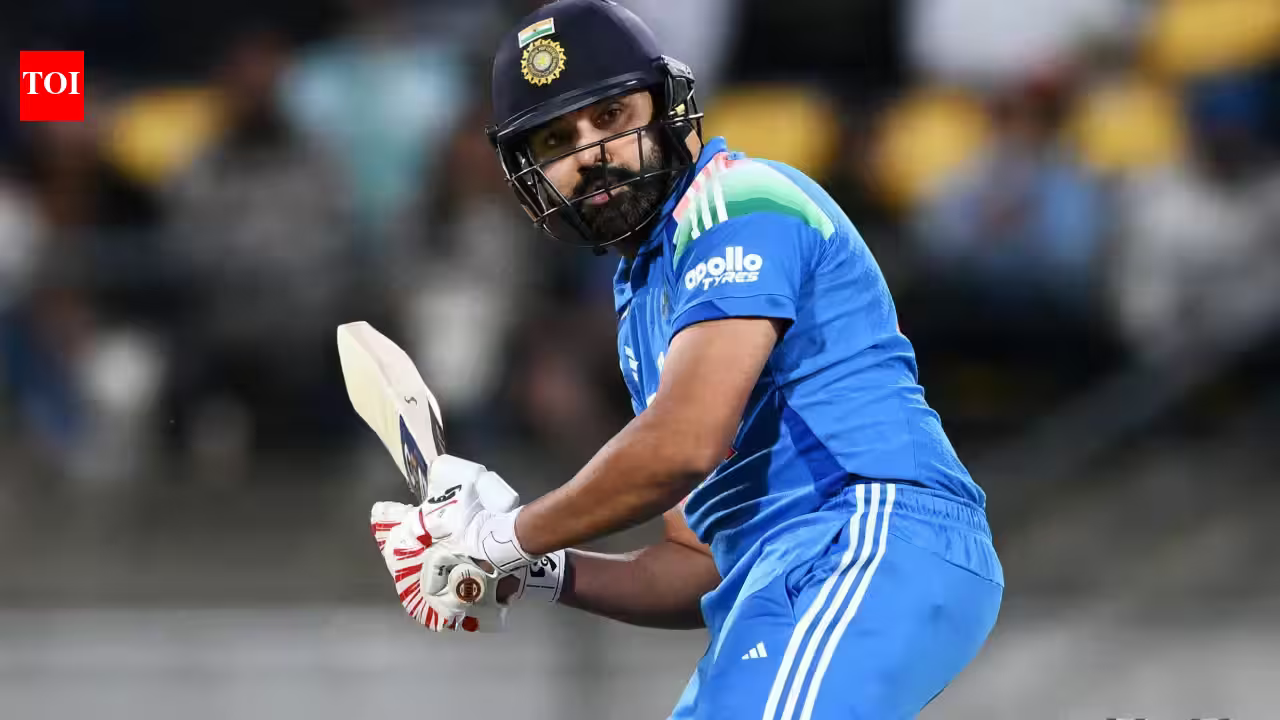








Tactical experimentation is the lifeblood of modern white-ball cricket, and few figures understand the complexities of the game’s shifting tides better than the legendary Sunil Gavaskar. In the wake of India’s hard-fought victory against New Zealand in the second ODI at Wellington, the Hall of Fame batter has come out in strong defense of head coach Gautam Gambhir and captain Shubman Gill following their controversial decision to elevate Axar Patel to the No. 5 batting position.
With India chasing a modest but tricky target of 135, the top-order collapse—losing Shubman Gill, Virat Kohli, and Rohit Sharma early—left the visitors reeling at 39/3. Instead of sending in the experienced KL Rahul to stabilize the innings, the management opted for the left-handed Axar Patel. The move failed to yield immediate dividends, as Patel departed for just seven runs, further sinking India to 47/4. Despite the immediate backlash from pundits and spectators alike, Gavaskar insists the logic behind the gamble remains sound.
## The Logic of the Left-Handed Pivot
Speaking on the Sony Sports network following the rain-affected conclusion of the match, Gavaskar broke down the tactical advantage of forcing a left-hander into the middle order early in an innings.
“The bowlers have slight difficulty if a left-handed batter comes because you have to change the line and length you would have for a right-hander,” Gavaskar explained. “In trying to do that, your line can change slightly even to the right-hander, where more chances of getting runs are created.”
For the astute observer, the move was not a sign of desperation but a calculated effort to disrupt the rhythm of the New Zealand pace attack, which had found its groove early on. By forcing the bowlers to continuously recalibrate their lines against a left-right combination, India aimed to create scoring opportunities that might otherwise remain closed against a steady right-handed lineup.
## Moving Past Outcome-Based Criticism
One of the most persistent issues in sports analysis is the tendency to judge a decision solely by its result. Gavaskar was quick to challenge this “hindsight bias,” arguing that the process, not the outcome, defines the quality of a strategic call.
“There was nothing wrong with that thought process,” Gavaskar asserted. “If Axar had scored runs, you would have said how good the captaincy was. Such moves work at times and don’t work on other occasions, and it didn’t work this time. You also knew there was a solid player like Rahul after him. That’s why you experiment at times.”
This philosophy underscores the environment Gambhir and the current leadership group are trying to cultivate: a team that is not afraid to push boundaries, even when the lights are brightest. It is a philosophy that has proven successful before; Patel’s promotion is far from a one-off. It mirrors his elevation in the 2024 T20 World Cup final—where his promotion proved pivotal—and his consistent role as a floater throughout India’s triumphant 2025 Champions Trophy campaign.
## Resilience Under Pressure
While the promotion of Patel did not pay off in Wellington, the safety net of the Indian lineup proved its worth. KL Rahul, once he took the crease, showcased the temperament that has made him a stalwart of the middle order. Faced with a hostile pitch and the scoreboard pressure of an early collapse, Rahul was initially circumspect, playing 18 dot balls in his first 20 deliveries.
His patience, paired with a composed 30-run contribution from Shreyas Iyer, ensured the ship was steadied just as the elements intervened. When rain forced the match to be abandoned, India was 113/7, four runs ahead of the DLS par score of 109. This technical victory handed India a 2-0 lead in the five-match series, a result primarily underpinned by a dominant bowling performance.
## A Balanced Victory
While the batting tactics sparked debate, the victory itself was anchored by the young Indian pace battery. Gurnoor Brar delivered a career-best performance, tearing through the New Zealand lineup with 4/30. Bolstered by two wickets apiece from Auqib Nabi and Anshul Kamboj, the tourists dismantled the Black Caps for just 134 in 41 overs. Despite a gritty 55 from Daryl Mitchell, the hosts were unable to post a total capable of defending against the caliber of India’s current bowling depth.
As the series moves forward, the “Gambhir-Gill” era continues to be marked by a willingness to take risks. Whether it is moving players up the order to counteract match-ups or trusting depth to weather a storm, the current management is clearly prioritizing long-term flexibility over short-term safety. As Sunil Gavaskar noted, the move may not have worked on this particular afternoon in Wellington, but in the high-stakes world of international cricket, it is precisely this brand of tactical courage that keeps an opponent guessing.
Disclaimer: This content is auto-generated for informational purposes only.
Source: Read Original News