






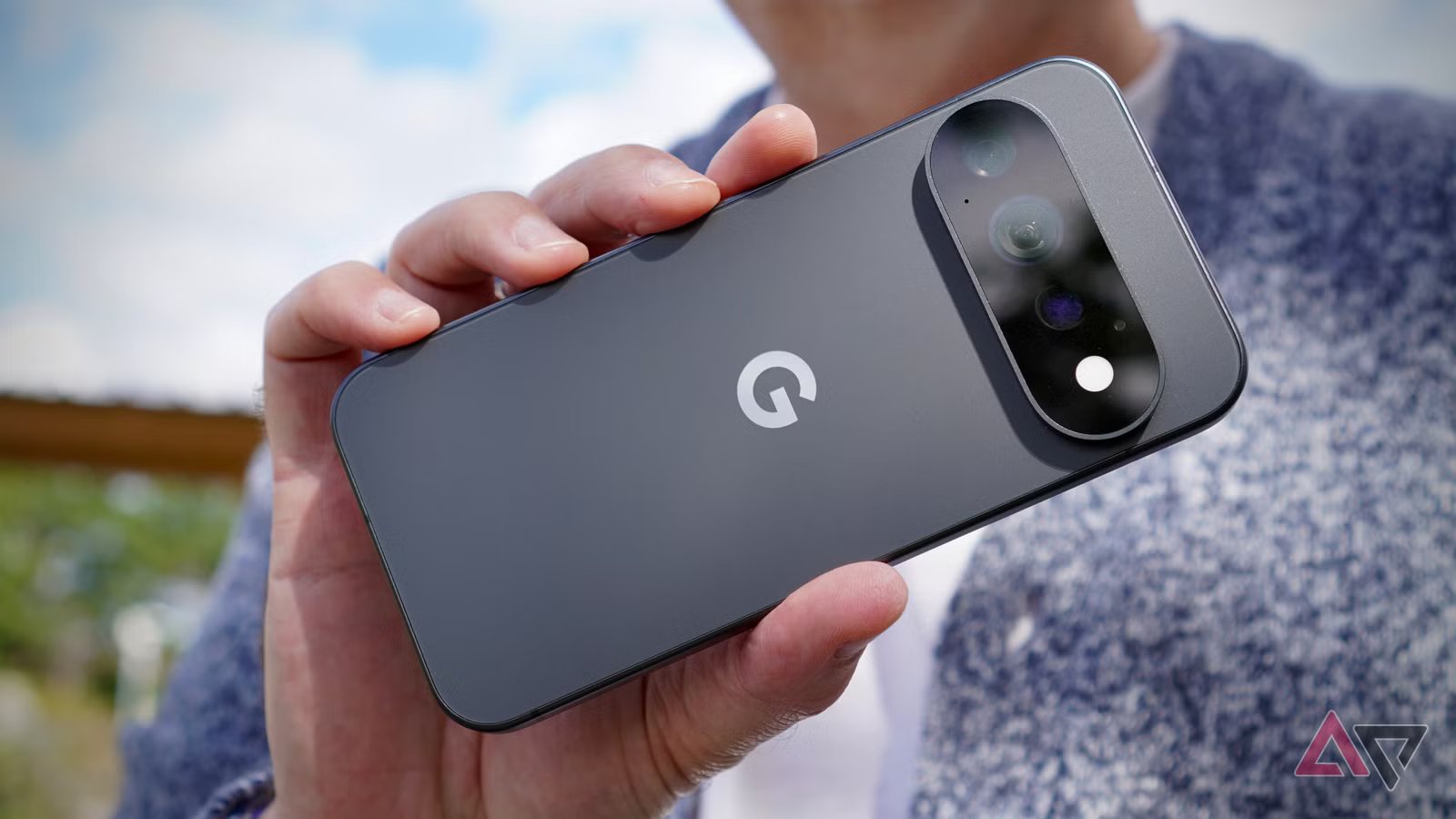
The November Pixel Drop has arrived, bringing a comprehensive suite of enhancements designed to increase the functionality and utility of Google hardware. As the year draws to a close, this update focuses on refinement, intelligence, and deeper integration across the Pixel ecosystem, from the latest smartphones to wearable devices.
Expanding the Reach of Gemini Intelligence
A primary component of this rollout is the expansion of Gemini Intelligence to a broader array of devices, specifically the Pixel 10 and the Motorola Signature 27. The standout addition within this suite is the Rambler feature, which fundamentally changes how users interact with voice-to-text messaging.
Previously, speech-to-text systems often struggled with environmental noise and human speech patterns, frequently transcribing pauses, stutters, and irrelevant background sounds. Rambler utilizes advanced filtering to prioritize the user’s intent, effectively removing unnecessary noise and filler words during message dictation. This represents a significant shift toward cleaner, more accurate communication, moving away from literal transcription toward a more coherent, intelligent interpretation of speech.
Advanced Personalization and Call Management
Google is significantly upgrading the customization capabilities of the Android interface. Users can now build highly tailored widgets based on their specific daily requirements. This functionality, which first appeared in Googlebooks, is now migrating to the wider Android phone ecosystem. These tools allow for precise control over the information displayed at a glance on the home screen.
This focus on customization extends to the wearable category. Both the Pixel Watch 4 and Pixel Watch 5 are receiving support for these widget configurations, alongside the introduction of conversation summaries. These summaries process lengthy threads into concise, readable points, which is a major time-saver for users managing dense communications on a small screen.
Furthermore, the Call Screen feature is receiving a substantial intelligence upgrade. Gemini now acts as a proactive gatekeeper for unknown numbers. When a call comes in, the system engages the caller, gathers relevant information, and displays it to the user. This provides a buffer against unwanted contact while ensuring that legitimate, important calls are identified quickly. Users retain the ability to join the conversation at any point if they determine the call requires their direct attention. Additionally, Google has expanded the library of icon styles, granting users further control over the visual presentation of their device’s interface.
Universal Search and Legacy Support
Recognizing that many users maintain their hardware for several years, Google has implemented a universal search feature for devices dating back to the Pixel 6. This update streamlines the search process, allowing users to find files, settings, messages, and contact information through a single, unified search interface. By consolidating these search parameters, the user experience becomes more cohesive, eliminating the need to navigate between disparate menus to locate data stored across the device.
Refining the HiLight Notification System
The HiLight notification system, which debuted to mixed feedback, is finally receiving meaningful functional updates. Initially criticized for its limited utility and lack of integration, the feature was often described as under-utilized by the hardware community.
With this update, Google has enabled support for the Google Messages application. The notification LED will now produce a distinct glow when a message is received from a contact designated as a favorite. While this remains a targeted enhancement, it serves as an initial step toward integrating HiLight into core system functions. For those interested in deeper control, open-source community solutions remain a viable pathway for customizing these light notifications beyond the standard system support. This move signals that Google is listening to user feedback regarding the feature’s early shortcomings and is working to provide better utility for the hardware included on recent Pro models.
A Strong Conclusion to the Annual Cycle
The November Pixel Drop serves as a reminder of Google’s commitment to iterating on its software long after the initial purchase of a device. The cumulative effect of these updates, combined with the recent rollout of Android 17, has notably improved the performance and longevity of the Pixel line. By addressing both high-level artificial intelligence integrations and fundamental UI improvements, Google has created a more unified environment. As we transition into 2027, the focus remains on ensuring that these devices continue to adapt to user needs, providing a more intuitive and responsive platform that evolves throughout the product’s lifecycle. The combination of hardware longevity and consistent feature growth remains a defining characteristic of the current Pixel strategy.
Disclaimer: This content is auto-generated for informational purposes only.
Source: Read Original News