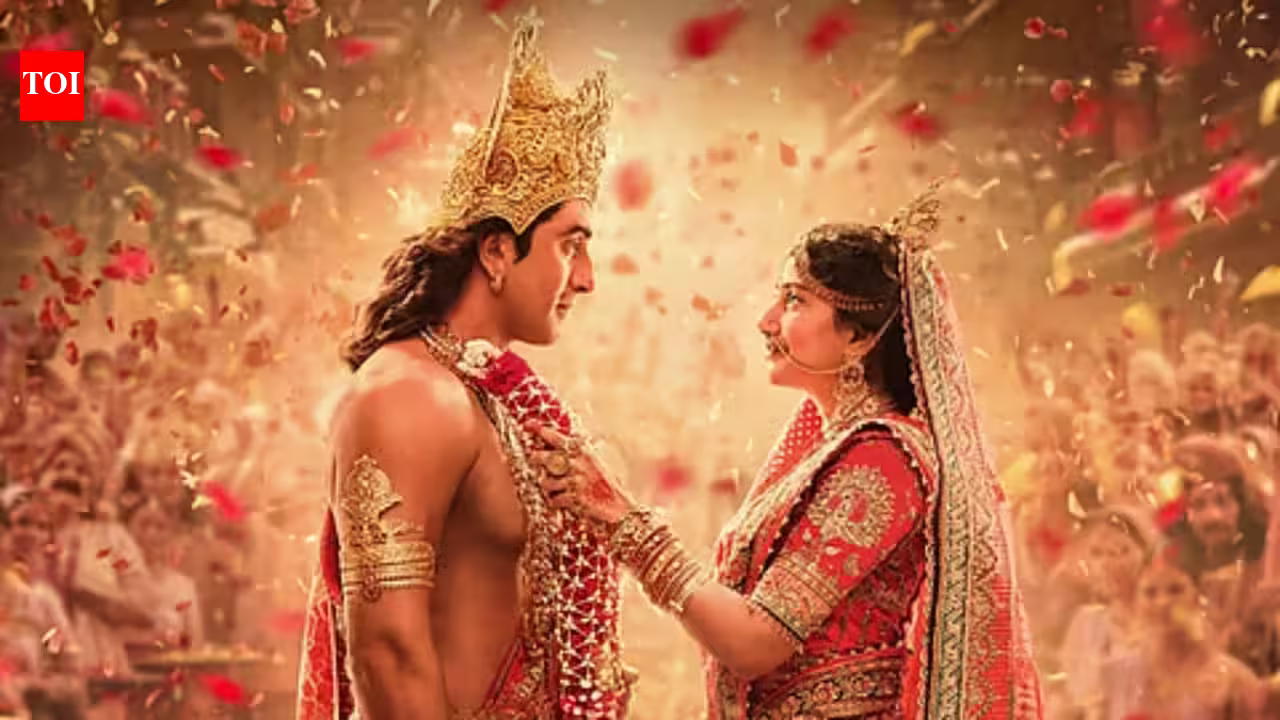







The release of Nitesh Tiwari’s Ramayana: Rise of a Legend has done more than just pull in massive box-office numbers; it has reignited the perennial debate over how India’s most sacred texts should be translated onto the big screen. In an era where every frame of a mythological adaptation is scrutinized under a social media microscope, Sai Pallavi’s portrayal of Sita has become the epicenter of a surprisingly fierce firestorm.
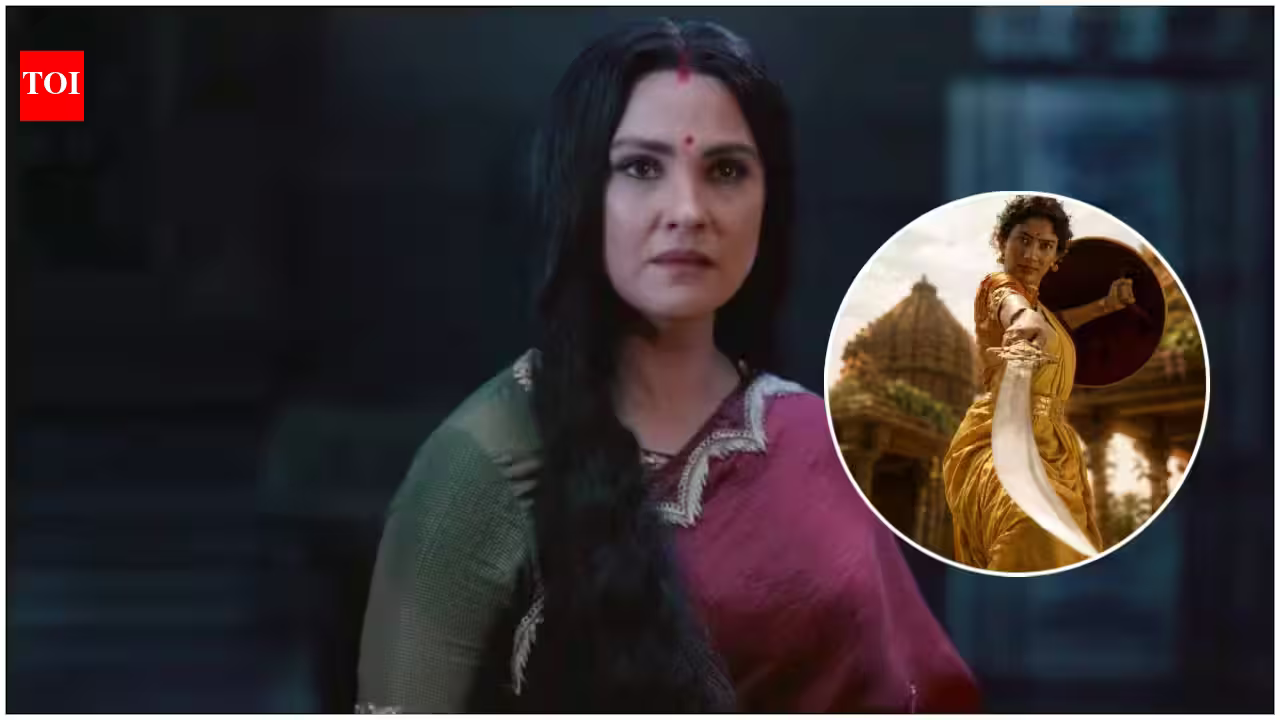
For weeks, the discourse surrounding the film has shifted from the logistics of the production to the literal physicality of its leading lady. Critics have poked at everything from her accent to the texture of her hair, but the loudest complaints have centered on a sequence depicting Sita as a capable, sword-wielding warrior. Enter Lara Dutta, who, having navigated the turbulent waters of Bollywood for decades, isn’t about to let this noise drown out the craft.
From Casting Debates to Post-Release Backlash
The road to Ramayana’s release was paved with skepticism. When casting news first broke, the internet was predictably polarized. Traditionalists took to X (formerly Twitter) and Instagram to declare that Sai Pallavi didn’t fit their mental image of a goddess—an archaic expectation that often shadows any actress stepping into the role of Sita.
Once the film hit theaters on November 5, 2026, the goalposts moved. Critics who couldn’t find fault with her performance began attacking the screenplay’s creative liberties. Specifically, the depiction of Sita as a combat-ready force has been labeled as “historically inaccurate” or “distorted” by vocal detractors. It seems that for some, the image of Sita as a perpetually passive, damsel-in-distress archetype is so deeply entrenched that seeing her hold a sword feels like a betrayal of the source material.
Lara Dutta Strikes Back at ‘Small-Minded’ Critics
Lara Dutta, who portrays the complex and pivotal character of Kaikeyi in the epic, is having none of it. In a candid conversation with NDTV, she dismantled the backlash with the kind of pragmatism that has defined her career.
“Just enjoy the cinematic experience,” she urged, cutting through the performative outrage. Her argument is rooted in the sheer diversity of the Ramayana itself. “There are so many versions of the Ramayana as well,” she pointed out, reminding viewers that the epic has been interpreted through countless folklores, regional dialects, and oral traditions for millennia.
But beyond the historical elasticity of the text, Dutta leaned into the logical necessity of the character’s evolution. “If you really looked at the way culture was in those times, boys and girls who were born into royal families, they were all, at some level, provided with training in arts and weaponry.”
Dutta’s point is sharp: why should a royal princess, expected to govern and navigate the treacherous politics of ancient kingdoms, be presumed incapable of self-defense? “You’re not going to be a helpless woman in that situation,” she added. By arguing that a woman forced into 14 years of exile in the wilderness would naturally cultivate survival skills, she effectively calls out the double standard of requiring a woman to remain helpless to be considered “authentic.”
A Sita Who Defines Her Own Narrative
The film takes a bold departure from the standard “damsel” trope. In Nitesh Tiwari’s vision, Sita isn’t waiting in the shadows for a rescue mission. She is active, visible, and vital. Early scenes show her not just as a royal figure but as an educator—teaching local children and youngsters the art of combat and agriculture.
The highlight, however, remains her presence in the forest. Here, she stands shoulder-to-shoulder with Ram and Lakshman. Armed with twin swords and a bow, she isn’t just an observer of the chaos; she is a participant. This version of Sita challenges the audience to reconcile their religious reverence with a more proactive, empowered image of the goddess. To many, this feels like an evolution of the character that respects her dignity rather than erasing her agency.
The Weight of the Kaikeyi Perspective
As someone who plays Kaikeyi—the woman responsible for the central conflict of the epic—Dutta brings a unique perspective to the project. Kaikeyi is often villainized, but she is a character of immense agency and political maneuvering. Playing such a role requires an actress to understand that myths are living, breathing entities.
Dutta’s defense of Pallavi’s Sita feels like a defense of the film’s right to reinterpret these legendary figures. By framing the critics as “small-minded,” she is making a statement about the state of Indian discourse. She is essentially suggesting that to truly appreciate the Ramayana, one must be willing to let go of the rigid, static portraits of the past and accept that these characters—and the women behind them—deserve to be viewed through a lens of human resilience.
A Legacy in the Making
Directed by Nitesh Tiwari, Ramayana: Rise of a Legend is clearly intended to be more than just a summer blockbuster. With a powerhouse ensemble cast including Ranbir Kapoor as Ram, Yash, and a supporting roster that features Vivek Oberoi, Rakul Preet Singh, and Ravi Dubey, the scale is massive.
The film is currently forcing an entire generation of viewers to ask themselves: What do we actually want from our mythological retellings? Do we want a museum piece that stays frozen in time, or do we want a story that evolves alongside our understanding of strength, gender, and power?
Lara Dutta’s message is clear: Stop looking for reasons to be offended and start looking at the craft. If the goal is to make these stories relevant to a modern audience, then perhaps a Sita who knows how to hold a sword is exactly what the Ramayana needs to resonate today. Whether this version will be remembered as a classic or a point of contention remains to be seen, but one thing is certain—the conversation surrounding the film is as complex and layered as the epic itself.
Disclaimer: This content is auto-generated for informational purposes only.
Source: Read Original News