








Market Dynamics and the Rebound in Gold Consumption
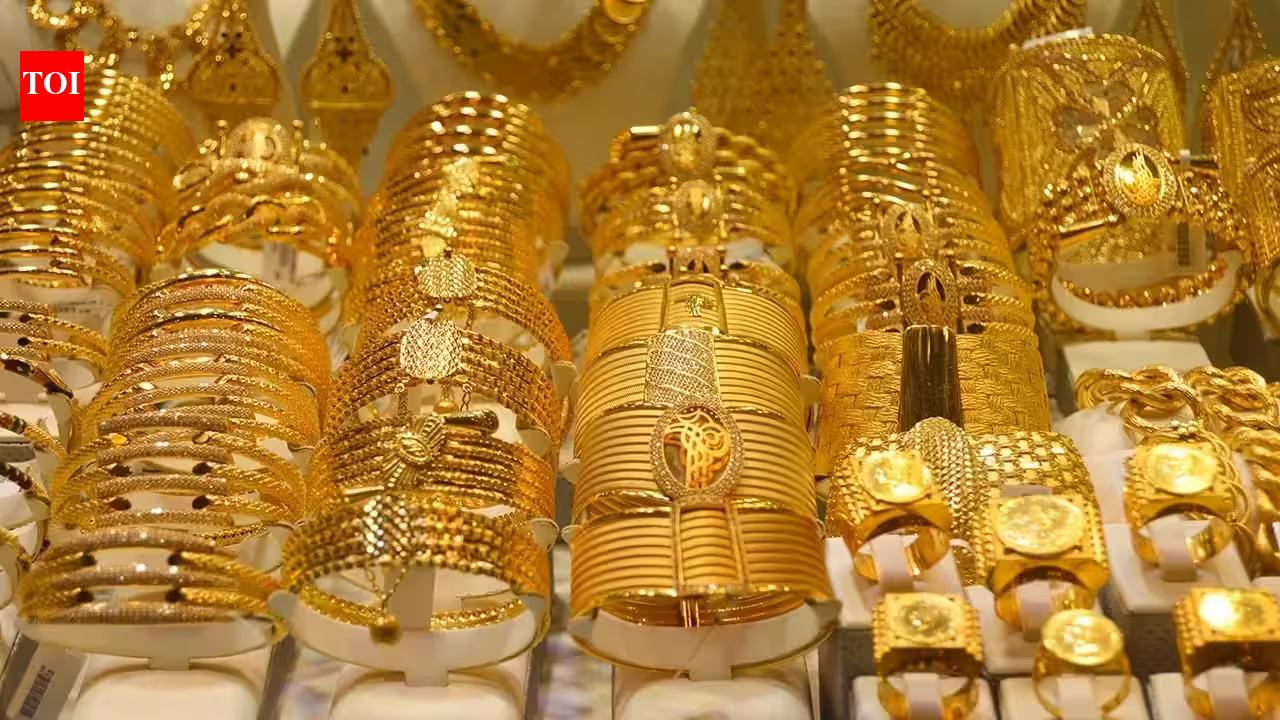
The Indian bullion market has recently showcased a significant demonstration of consumer resilience and price sensitivity. Following a period of subdued activity during the first half of the current fiscal year, where gold sales by volume dropped by nearly 50 percent, the festive season of Dhanteras and Diwali acted as a catalyst for a robust recovery. Data from the India Bullion and Jewellers Association (IBJA) confirms that consumers purchased 52 tonnes of gold, valued at approximately Rs 72,000 crore, during this peak festive window.
This surge in demand, representing a 30 percent increase in volume compared to the previous year, highlights the complex interplay between pricing, cultural tradition, and macroeconomic indicators in the Indian context. The primary driver of this renewed appetite was a strategic correction in gold prices. After peaking near the Rs 1.8 lakh mark per 10 grams, prices moderated to around Rs 1.42 lakh. This downward adjustment served as an entry point for many households that had previously sidelined their gold acquisition plans due to budgetary constraints and government appeals for fiscal prudence.
The Impact of Macroeconomic Factors on Jewellery Demand
The recovery was not solely dependent on price corrections; it was supported by broader economic timing. The alignment of Dhanteras and Diwali with the early-month salary cycle provided a necessary liquidity injection into the retail market. Salaried individuals, bolstered by the disbursement of monthly pay and festive bonuses, were better positioned to allocate capital toward precious metals. This liquidity, combined with the anticipation of the upcoming wedding season—which typically spans from mid-November through March—created a favorable environment for jewellery retailers.
Furthermore, the sentiment among consumers is heavily influenced by their perception of gold as a long-term hedge against inflation. Despite the volatility observed over the past year, gold has consistently demonstrated strong appreciation. Prices that hovered around Rs 60,000 in 2023 escalated significantly to the current levels, reaffirming the metal’s status as a core asset in the Indian household portfolio. Market participants view this recent buying activity as a transition from “wait-and-watch” behavior to active participation, driven by the belief that prices could trend upward again if global indices, such as Brent crude, fluctuate or if inflationary pressures persist.
Analyzing the Silver Market and Commodity Diversification
While gold remains the traditional cornerstone of the Indian festive shopping experience, silver has emerged as a significant beneficiary of the current market climate. With a 10 percent increase in demand, accounting for 300 tonnes valued at Rs 5,400 crore, silver is increasingly viewed as an accessible vehicle for investment and ceremonial gifting. The rise in silver prices has not deterred volume growth, suggesting that consumers are diversifying their portfolios within the precious metal space.
Silver’s performance is partly attributed to its relatively lower price point compared to gold, making it an entry-level asset for a broader demographic. As gold prices reached levels that might have excluded some segments of the retail market, silver provided an alternative for participation in traditional festive buying. This trend indicates a maturing retail landscape where consumers are conscious of capital allocation across different precious metal grades, reflecting a more nuanced approach to wealth preservation.
Institutional Perspectives on Long-Term Confidence
Industry veterans and established retailers maintain that the long-term outlook for the Indian jewellery sector remains positive. Analysis from long-standing firms, such as the Bengaluru-based C Krishniah Chetty Jewellers, indicates that this year’s festive performance ranks as the third-highest in a decade in terms of volume. This is particularly notable given that current prices are roughly 10 percent higher than the levels observed last year.
This data suggests that the Indian consumer’s attachment to gold transcends short-term market fluctuations. The “unshaken sentiment” noted by industry leaders indicates that jewellery is viewed as an essential component of household wealth rather than a discretionary purchase. Even in an environment of unprecedented price growth over a 12-month period, the underlying confidence in the store-of-value proposition of gold remains a pillar of the Indian economy. The successful festive season serves as an indicator that the industry has adapted to higher price floors, with consumers reconciling their purchasing habits with the new market reality.
The Resilience of Natural Diamonds Amid Evolving Competition
While gold and silver dominate the volume metrics, the natural diamond segment has exhibited surprising tenacity. Retailers reported that natural diamond sales recorded their second-highest volume in eight years during this period, with substantial growth figures—specifically a 250 percent increase on Dhanteras and a 47 percent rise during the Diwali season. This performance is noteworthy, given the prevailing headwinds in the global diamond trade, including international sanctions impacting supply chains and the increasing prominence of lab-grown alternatives.
The data suggests that rather than serving as a direct replacement for natural diamonds, lab-grown stones are functioning as an auxiliary category. The consumer base for natural diamonds appears to remain distinct, likely driven by the perceived rarity and intrinsic value associated with natural stones in the context of weddings and high-value gifting. As the diamond industry navigates these structural changes, the current festive trends suggest that there is sufficient market depth to sustain both natural and lab-grown categories, provided that consumer awareness and pricing transparency continue to improve.
Future Outlook and Strategic Implications for the Industry
Looking ahead, the jewellery sector faces a landscape characterized by both opportunity and challenge. The immediate future is bolstered by the upcoming wedding season, which is expected to maintain momentum in sales. However, retailers must remain agile in their inventory management to navigate potential price volatility. The reliance on festive windows for a large portion of annual revenue underscores the need for continuous engagement with consumers outside of the traditional peak seasons.
Strategic focus is likely to shift toward value-added services, digital gold products, and transparent pricing models. As government policies and global commodity trends continue to shape the market, the jewellery industry will likely prioritize enhancing trust and accessibility. The recent festive surge has provided a much-needed confidence boost to the retail sector, signaling that despite high barriers to entry in terms of cost, the cultural and economic imperative to purchase precious metals remains a defining characteristic of the Indian market. The ability of the industry to maintain this momentum will depend on its capacity to balance global price pressures with the evolving expectations of a value-conscious, yet tradition-oriented, domestic consumer base.
Disclaimer: This content is auto-generated for informational purposes only.
Source: Read Original News