








Australia’s heavy reliance on Microsoft has faced a significant test today, as a widespread outage caused major disruptions across government agencies and the national economy. The incident, which impacted millions of Australians, confirmed long-standing fears voiced by national security officials regarding the country’s vulnerability to single-provider dependency.
As the outage unfolded, both the Australian Federal Police and the Australian Security Intelligence Organisation (ASIO) confirmed they were affected, forcing authorities to grapple with the reality of a system outage impacting the nation’s core infrastructure.
The crisis follows months of warnings from high-ranking security officials. In August, Home Affairs national security head Hamish Hansford warned on the InnovationAus podcast that major tech providers like Microsoft “underpin the functioning of the economy” and that the country faced a “disproportionate impact” if such a provider suffered a failure.
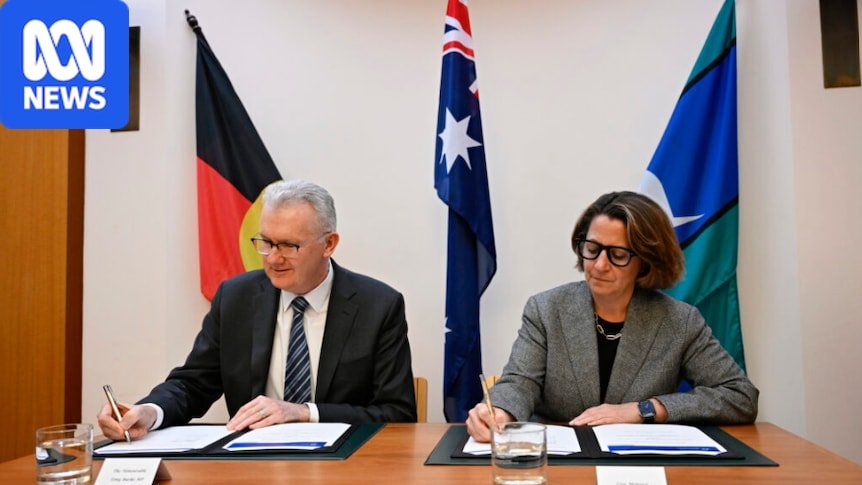
Recognizing the gravity of this risk, the federal government held a high-level cybersecurity simulation just last week, involving both agencies and Microsoft, to prepare for precisely this type of systemic failure. That exercise was part of an agreement signed in June between the Department of Home Affairs and Microsoft, designed to strengthen the resilience of Australia’s “digital technology stack.”
Despite these precautions, the sheer scale of the disruption has reignited the debate over “single-seller” contracts. The federal government has secured over $1 billion in contracts with Microsoft since July alone, including massive arrangements with the Department of Defence, Services Australia, and the Australian Tax Office. While a government-commissioned review in February acknowledged the vulnerabilities inherent in these deals, it ultimately deemed them necessary due to the high costs and complexities of transitioning to alternative providers.
Home Affairs Minister Tony Burke confirmed on Friday that the government had activated specific provisions within its agreement with Microsoft to ensure that Australian systems receive priority recovery efforts. “That agreement has in fact been activated today, to make sure that we get appropriate prioritisation of Australian interests in this,” Mr. Burke said.
When pressed on whether Australia should move to diversify its technology stack to avoid such future bottlenecks, Mr. Burke maintained that while diversity is a valid long-term goal, it should not overshadow the “significant good work” already conducted with Microsoft regarding high-level cybersecurity.
As technical teams work to restore services, National Cyber Security Coordinator Lieutenant General Michelle McGuinness continues her ongoing project to map critical dependencies across government and infrastructure systems. For now, however, the outage serves as a stark reminder of the fragile nature of Australia’s digital infrastructure and the immense power wielded by the tech giants at its center.
Microsoft has stated that there is currently no indication that the outage was the result of malicious cyber activity, pointing instead to potential configuration issues.
Disclaimer: This content is auto-generated for informational purposes only.
Source: Read Original News