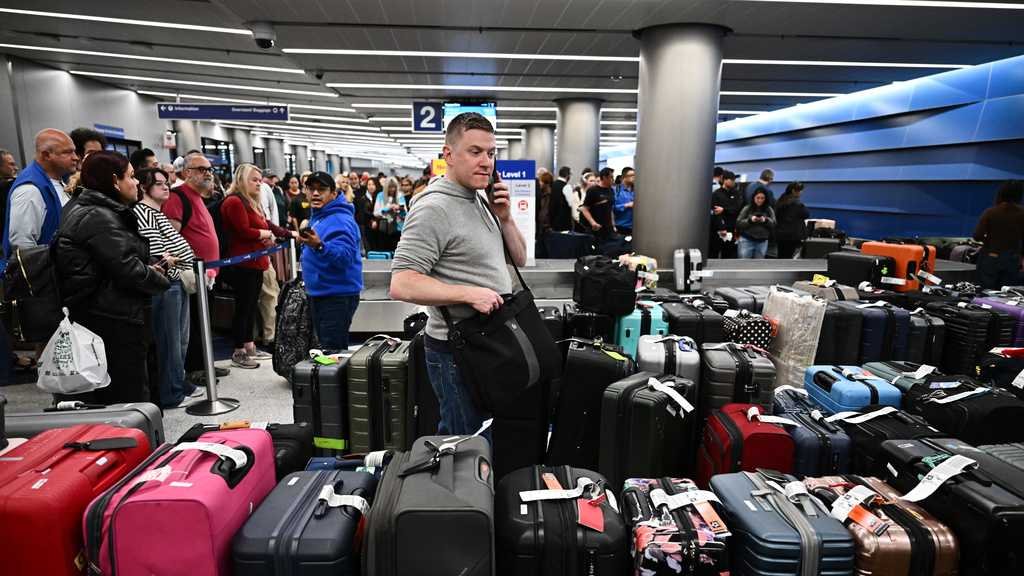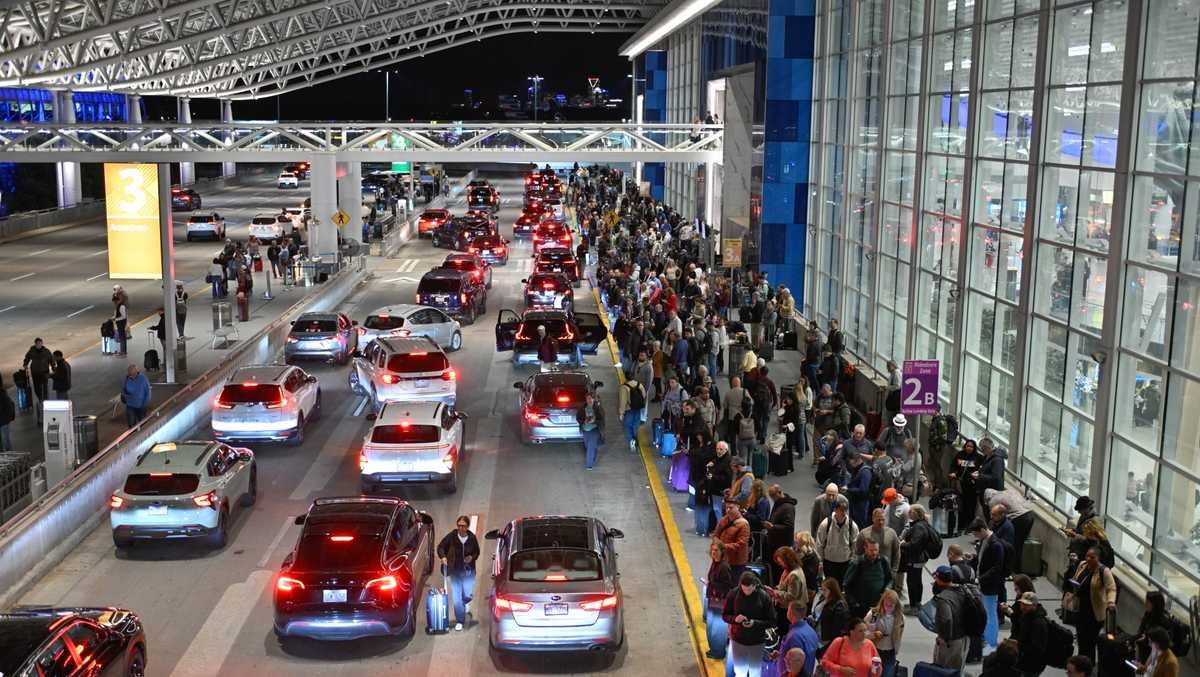







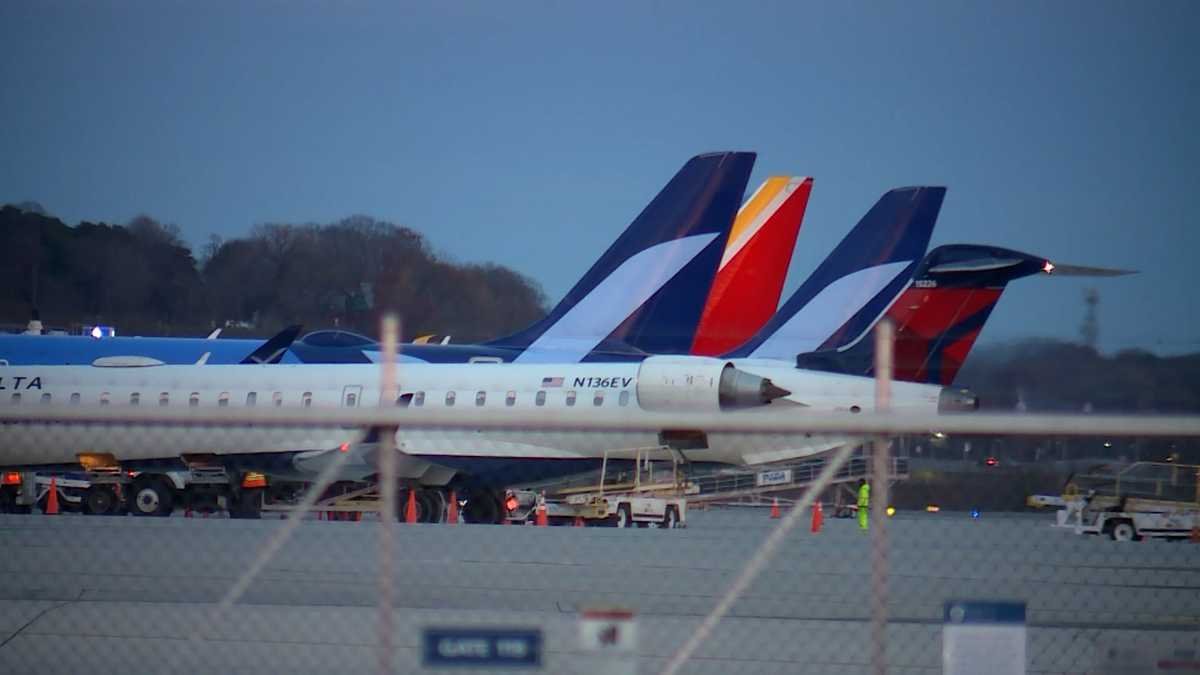
PORTLAND, Maine — A chaotic Friday afternoon for air travelers across the country finally began to settle as the Federal Aviation Administration (FAA) lifted a nationwide ground stop that had frozen air travel for several hours. The stop, initiated shortly after 4 p.m. due to critical communications failures at regional air traffic control centers, caused widespread disruption, leaving thousands of passengers stranded and schedules in disarray.
At Portland International Jetport (PWM), Maine’s largest airport, the ripple effects were immediate. By 8:30 p.m., as the FAA signaled that systems were stabilizing, the Jetport reported 17 cancellations and 12 delays. While the ground stop order was lifted, officials warned that the path to normalcy would be long, as airlines struggle to reposition crews and aircraft that were displaced by the sudden shutdown.
For travelers at PWM, the afternoon was defined by uncertainty. Ivan Belanger, who had hoped to take his 9-year-old daughter, Ramona, to New York for a weekend trip, opted to skip security lines once the news broke. “I think we’re probably not going to make it today,” Belanger said. “Our weekend trip might be ruined, and that’s sad.”
Other passengers were already in the air or at their gates when the directive was issued. Emily Chiarello, a University of Maine student, was at her gate preparing to fly to South Carolina for a concert when the announcement silenced the terminal. “They just said, ‘All flights are grounded and nobody’s leaving,’” she recalled.
The incident marks a significant failure for the national aviation system, standing as the most extensive grounding since a major system malfunction in January 2023. Homeland Security officials and the White House have been quick to address concerns, noting that while the cause remains under investigation, early indicators point to “mechanically driven” failures within the agency’s aging infrastructure rather than a malicious cyberattack or external threat.
The crisis has reignited a heated debate in Washington regarding the modernization of the U.S. air traffic control system. Despite $12.5 billion in funding approved by Congress last year to replace miles of legacy copper wiring and outdated radio systems, officials acknowledge that the work is far from complete. Transportation Secretary Sean Duffy has recently signaled that an additional $30 billion will be required to fully overhaul the brittle infrastructure that experts warn is becoming increasingly susceptible to these types of system-wide failures.
As airports begin the slow process of returning to normal, PWM officials are urging passengers to contact their airlines directly for rebooking options and travel waivers. With hundreds of flights diverted nationwide and crews out of position, aviation safety experts warn that the true impact of the outage will likely continue to affect air travel through the weekend.
Disclaimer: This content is auto-generated for informational purposes only.
Source: Read Original News