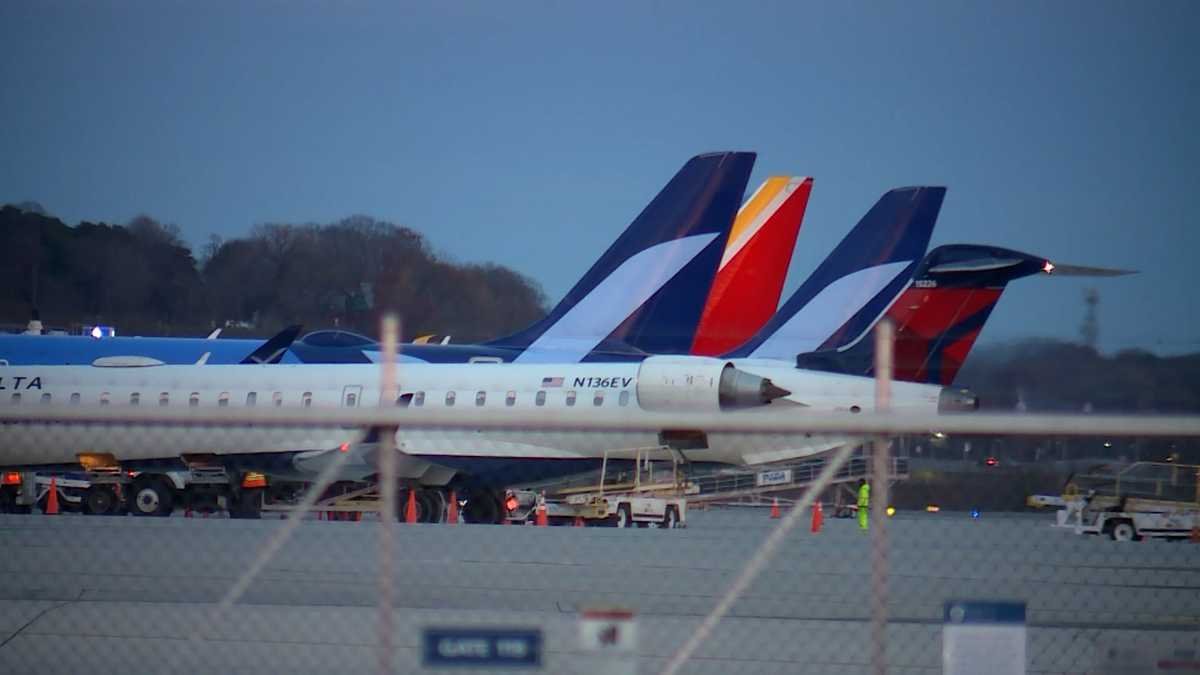







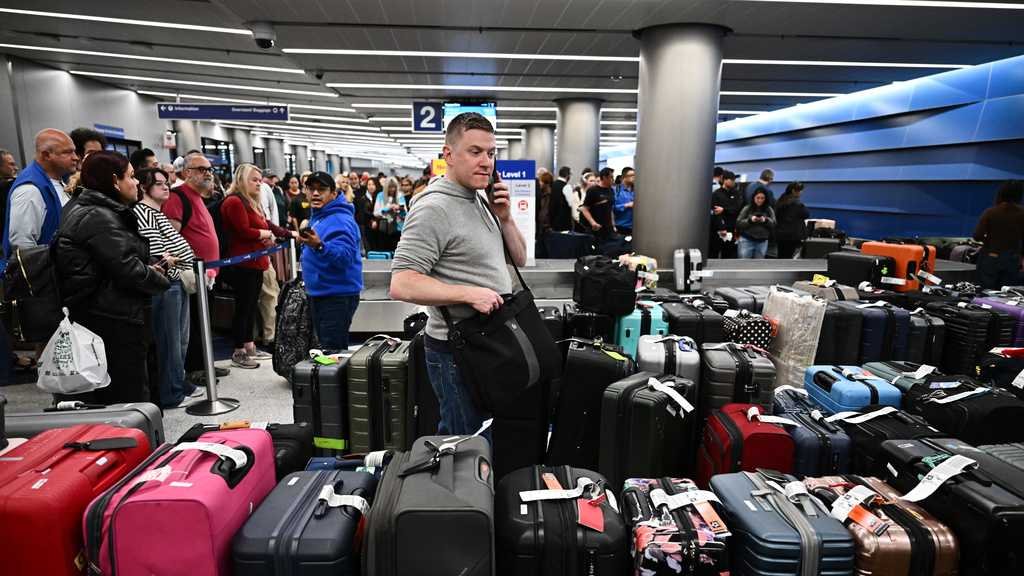
A nationwide ground stop brought U.S. air travel to a standstill for five hours on Friday, marking the longest disruption of its kind in 25 years. The shutdown, which left thousands of flights grounded and over a million passengers stranded, was triggered by an overload of the nation’s antiquated air traffic control systems caused by newly installed technology.
The Federal Aviation Administration (FAA) issued the order as intermittent communication and radar gaps began to plague the aging infrastructure. While the ground stop was lifted Friday night, officials warned that the recovery process for airlines will be lengthy, as planes and crews remain scattered across the country.
Secretary of Homeland Security Markwayne Mullin addressed the situation from the White House, emphasizing that no passengers were in danger. He confirmed that more than 3,000 aircraft already in the air were safely landed. However, Secretary of Transportation Sean Duffy cautioned that, given the underlying technological strain, he could not guarantee the issue would not recur.
Mullin clarified that the failure appeared to be “mechanically driven” by the integration of new equipment into an outdated network. Despite speculation regarding the state of national infrastructure, he confirmed there were no “footprints” of a cyberattack or nefarious activity. The disruption was the first of its kind since a computer system malfunction triggered a similar ground stop in January 2023, and only the second since the post-9/11 era.
The impact was immediate and widespread. Aviation analytics firm Cirium reported that 827 flights were diverted, with 670 forced to return to their origin airports. Major hubs, including Chicago O’Hare, Washington Dulles, and Los Angeles International, saw scenes of confusion as passengers were left without information or clear paths to their destinations.
Travelers described a scene of frustration as they weighed the costs of overnight stays against the uncertainty of flight rebooking. For many, like those traveling to sports events, the delay had logistical consequences. NCAA teams were granted priority status by the FAA to ensure they could reach their destinations for Saturday games, while cargo giants like FedEx activated contingency plans to manage the supply chain fallout.
Compounding the anxiety for many travelers was the timing of the outage, which followed a massive, unrelated technical disruption of Microsoft’s Outlook email platform just a day prior. However, both Microsoft and the Department of Homeland Security issued firm denials that the two events were linked, with Mullin stating there is “no reason to connect” the incidents.
While the system is expected to stabilize in time for the Thanksgiving travel rush, the immediate aftermath remains chaotic. Officials continue to investigate the root cause as the industry scrambles to reposition aircraft and restore normal operations.
Disclaimer: This content is auto-generated for informational purposes only.
Source: Read Original News