






Apple is taking a cautious, research-driven approach to the integration of generative AI within the medical sector. While competitors like OpenAI and Anthropic have moved quickly to embed chatbot functionalities into health-related services, Apple has opted to launch a comprehensive, year-long study to evaluate how users interact with clinically grounded AI. By partnering with the healthcare-focused AI company OpenEvidence, Apple aims to determine how AI tools can provide meaningful, understandable, and accurate information to patients before potentially integrating these capabilities into its broader ecosystem.
Defining the Scope of the Apple Health AI Study
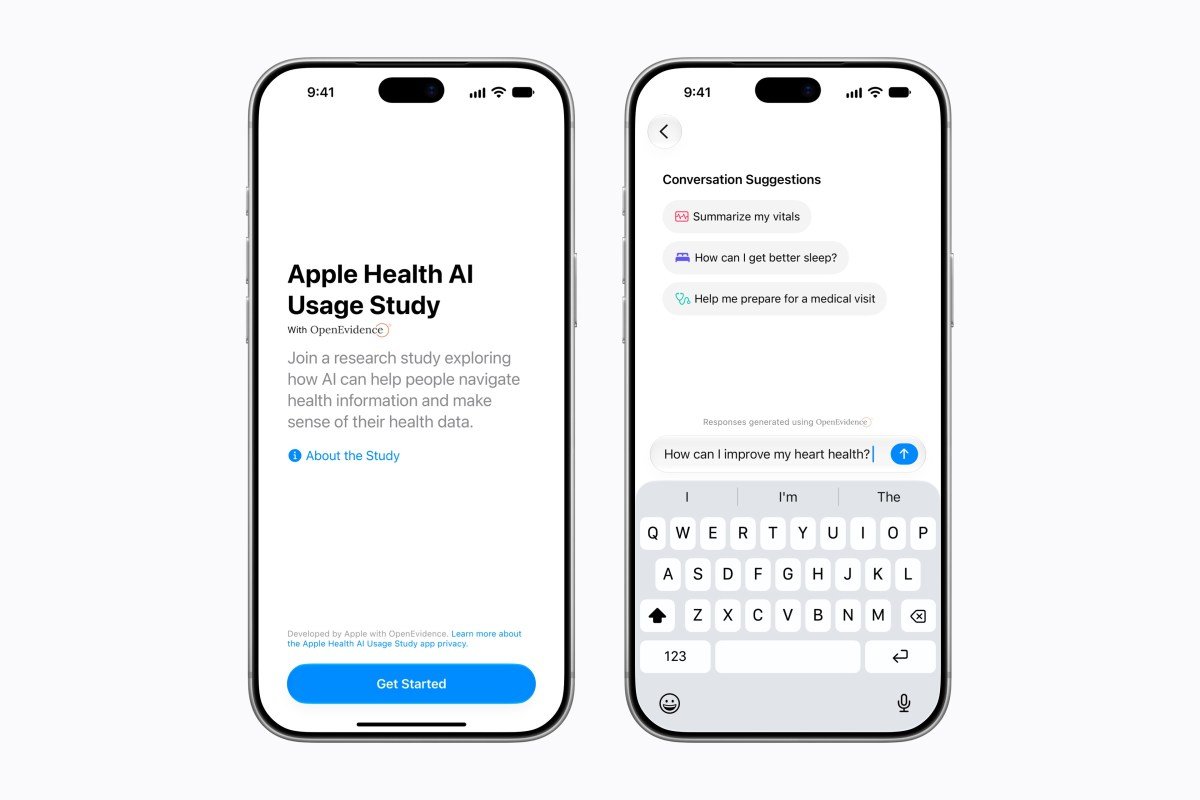
The new initiative is structured as a formal research study, inviting up to 200,000 participants in the United States to test the effectiveness and utility of an AI-driven health assistant. To participate, users must be at least 21 years old and utilize an iPhone 15 or a newer model running iOS 26 with Apple Intelligence enabled. The study is designed to span 12 months, allowing for long-term observation of how users interpret AI-generated medical information and whether these tools effectively facilitate communication between patients and their healthcare providers.
The core functionality of the study application revolves around answering common health queries. Unlike general-purpose large language models, this tool is specifically grounded in verified clinical data. The sources for these responses include high-impact, peer-reviewed medical literature such as The New England Journal of Medicine, the Journal of the American Medical Association, and Nature. By restricting the AI’s knowledge base to these established journals, Apple intends to minimize the risk of hallucinations while delivering answers that are medically sound and simplified for laypeople.
Leveraging HealthKit for Personalized Insights
One of the most significant features of this study is the integration with Apple’s existing HealthKit framework. Participants have the option to securely share biometric and health data, including resting heart rate, activity levels, sleep patterns, and laboratory results. By granting the AI access to this longitudinal data, the system can provide more personalized responses that account for the user’s specific physiological markers.
This integration serves a practical purpose beyond mere information retrieval. The application is designed to act as a preparatory tool for clinical visits. By synthesizing a user’s historical health data alongside their specific medical questions, the AI can assist participants in articulating their concerns to doctors. In cases where the system identifies concerning medical symptoms or data trends, the application is programmed to guide users toward professional medical providers, reinforcing its role as a supportive bridge rather than a diagnostic replacement.
Prioritizing Data Privacy and Security
Apple has implemented rigorous data privacy safeguards for this study, addressing potential concerns regarding the sensitive nature of health information. All data transmitted to the third-party cloud provider is anonymized, ensuring that individual identities are shielded. Critically, Apple has confirmed that user queries, responses, and personal health data gathered during this study will not be utilized to train any AI models.
To further minimize privacy risks, the collaboration with OpenEvidence includes a strict data retention policy. According to official disclosures, the query and response data generated by participants is deleted from the company’s servers after a 24-hour period. This ephemeral approach underscores Apple’s commitment to security, ensuring that sensitive medical discussions do not persist in databases longer than is strictly necessary for the immediate research analysis.
The Future of AI in Personal Healthcare
The motivation behind this study is rooted in the significant demand for accessible medical information. As noted by industry data, millions of health-related queries are processed by major AI platforms every week. By conducting this formal study, Apple is attempting to solve the problem of clinical grounding, ensuring that when users turn to AI for health guidance, the information provided is backed by legitimate medical research rather than generalized web-scraped content.
Sumbul Desai, M.D., Apple’s vice president of Health and Fitness, emphasized that this research is essential for establishing “scientific rigor and clinical grounding” in consumer technology. The findings from these 200,000 participants will likely dictate whether these features are eventually folded into the standard Apple Health application or directly integrated into Siri. If successful, the study could set a new industry benchmark for how technology companies deliver medical assistance, shifting the focus from speed and scale to accuracy, accountability, and patient-centered safety.
While the study is currently limited to the United States, the potential impact is global. As AI becomes an increasingly common tool for personal health management, the insights gathered from this trial will play a critical role in shaping the evolution of “trusted tools” that aim to support individuals throughout their complex health journeys. The long-term success of this initiative will be measured not just by user engagement, but by the ability of the AI to foster productive, informed, and safe interactions between patients and their healthcare teams.
Disclaimer: This content is auto-generated for informational purposes only.
Source: Read Original News