







The Winter Challenge for Our Backyard Guests
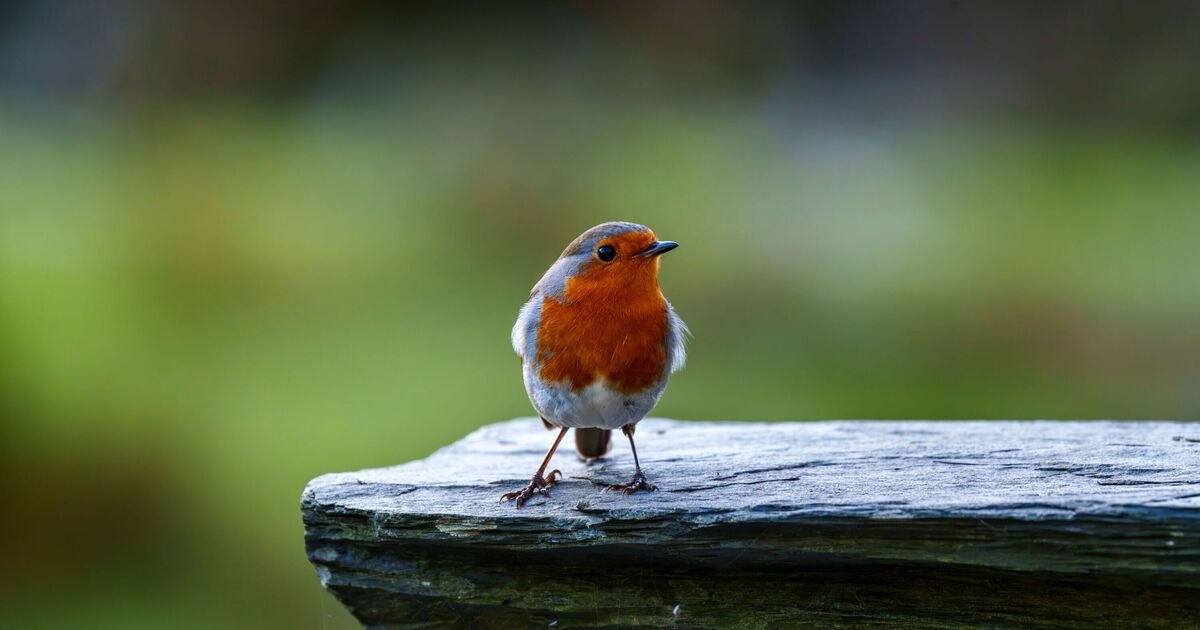
The temperature is dropping, the sweaters are coming out of storage, and we are all finding excuses to stay indoors with a warm cup of tea. While we reach for thicker blankets and turn up the heat, the creatures in our gardens are facing a much tougher battle. Winter is a season of survival, and for local birds, particularly the robin, the plummeting mercury changes everything.
It is easy to assume that nature looks after itself, but the reality is that extreme cold forces birds to burn through their precious energy stores at an alarming speed. A single freezing night can cause a robin to lose a significant portion of its body weight. When the ground turns to iron from frost, their usual hunting grounds become inaccessible. By taking a few simple steps, we can turn our outdoor spaces into a sanctuary, ensuring our feathered friends make it through to the spring.
Why High-Energy Snacks Matter
You might be tempted to toss out your leftover crusts or stale bread, but think twice before heading to the kitchen bin. While it feels helpful, bread is essentially empty filler for birds. During the peak of winter, robins need dense, calorie-heavy fuel to keep their tiny hearts beating and their bodies warm.
This is where mealworms change the game. Think of them as a power bar for the garden. They provide the essential protein and fats that replicate the natural diet of a bird. Because mealworms are nutrient-dense, they give robins a concentrated boost of energy without requiring them to spend hours scavenging in frozen soil. You can serve them dry, or if it is a particularly biting day, soak them in a little warm water to keep the birds hydrated. A small handful on a feeder is often enough to keep a local robin healthy and bright-eyed throughout the darkest months.
Creating a Haven in Your Own Garden
If you want to support your local wildlife, you do not need an elaborate setup or expensive equipment. Sometimes, the most helpful thing you can do is to leave a small patch of your garden alone. We often get caught up in the urge to tidy up flowerbeds for the winter, but those messy corners are exactly where nature does its best work.
Try leaving a patch of soil bare and clear of mulch or heavy debris. When the ground is not fully frozen, this exposed soil acts as a buffet. Robins love to forage here, as it is much easier for them to spot hidden insects than in thick grass or heavy bark. If you maintain just one clear, reachable patch of earth, you are providing a natural hunting ground that helps them sustain themselves when you are not there to refill the feeder. It is a low-effort way to create a thriving micro-habitat right outside your window.
Staying Consistent Through the Season
Consistency is the real secret to being a great host for your garden birds. When the weather gets really rough, birds start to rely on the sources they know. If you start leaving out food, try to make it a daily habit. If you head out for work early in the morning, a quick scattering of mealworms before you leave can make all the difference for a bird that has just survived a harsh night.
Furthermore, do not forget the water. In the height of winter, finding fresh water is often just as difficult as finding food. A small, shallow dish of water placed near your feeding area can be a literal lifesaver. Ensure you check it regularly to make sure it hasn’t frozen over. By providing both the fuel to keep warm and the hydration they need to digest it, you are playing an active role in keeping the local ecosystem alive during its most testing period.
The Joy of Watching from Indoors
There is something inherently calming about watching a robin hop across the frost-dusted lawn while you stay cozy inside. By creating a welcoming environment, you aren’t just doing a kindness for nature; you are also bringing a bit of life and color to your own daily view.
Winter can feel long and grey, but the presence of birds adds a sense of movement and cheer. They remind us that nature is resilient, and with a little help from us, it is more than capable of thriving. So, keep the feeders stocked, keep a patch of earth clear, and enjoy the quiet company of your garden visitors as they wait for the first signs of spring. It is a small investment of time that pays off in a vibrant, lively garden throughout the entire winter season.
Disclaimer: This content is auto-generated for informational purposes only.
Source: Read Original News