









The Strategic Evolution of Firaxis Games
Firaxis Games stands at a critical juncture in its storied history, balancing the weight of high-profile franchise expectations against a shifting landscape in the interactive entertainment sector. As a primary architect of the turn-based strategy genre, the studio has long been defined by its commitment to complex, rule-heavy gameplay systems. However, recent developments surrounding Sid Meier’s Civilization VII and the broader operational challenges facing the studio have signaled a necessity for a fundamental reassessment of how these legacy titles are designed and brought to market.
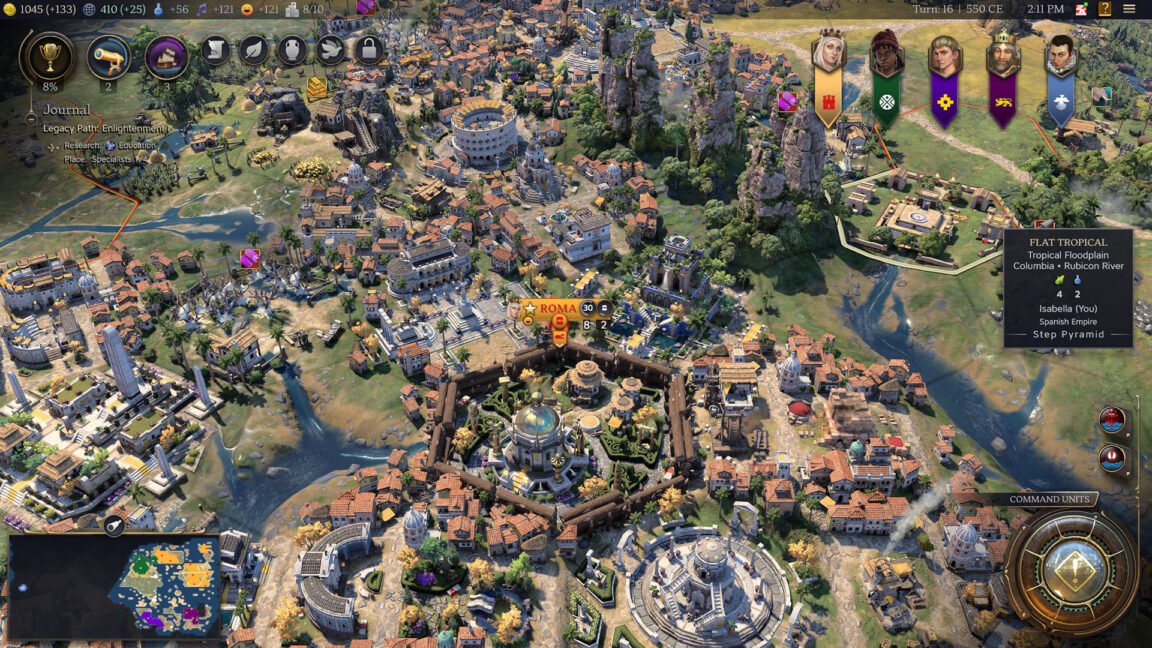
The latest entry in the Civilization series has introduced a structural overhaul known as the ages system. This design modification was intended to address the pacing issues that have historically plagued long-form strategy games, where the late-game experience often devolved into a repetitive slog toward a pre-determined victory. By segmenting history into distinct, self-contained ages, Firaxis sought to ensure that players experienced constant technological and cultural evolution without the typical stagnation. While this technical shift has successfully attracted a new demographic of players, it has created a divide within the core community. Long-term fans often perceive the loss of historical continuity across the entire span of a game as a compromise that fundamentally alters the essence of the Civilization experience.
Market Realities and Production Challenges
The financial landscape for a studio of this scale is increasingly precarious. The transition from the development of Marvel’s Midnight Suns to the current, undisclosed status of an XCOM title reflects a period of organizational turbulence. Despite favorable critical reception for the innovative tactical card-based mechanics in Midnight Suns, the commercial performance did not meet the aggressive sales projections required by major publishing entities. This cycle of outcomes, coupled with the ongoing development friction on their primary intellectual properties, places Firaxis in a difficult position.
The strategic game market is no longer a vacuum occupied primarily by established industry giants. Lean, independent development teams are now frequently delivering high-fidelity, systems-driven experiences that rival the production quality of larger studios. Because these smaller teams operate without the oversight of massive publishing conglomerates, they can iterate rapidly and remain strictly focused on niche gameplay mechanics that cater to dedicated strategy enthusiasts. In contrast, Firaxis remains tethered to 2K Games, a subsidiary of Take-Two Interactive. Being under this corporate umbrella subjects the studio to the fiscal pressures of a parent organization that manages massive global hits, such as the upcoming Grand Theft Auto VI, creating an environment where a strategy game is expected to deliver returns that are difficult to achieve in the current economic climate.
The Macroeconomic Context of Studio Contraction
The difficulties facing Firaxis are not isolated incidents but symptoms of a wider systemic contraction within the game industry. Following the period of hyper-growth triggered by the COVID-19 pandemic, where investment in digital entertainment reached unsustainable levels, the industry has undergone a sharp correction. This phase has been characterized by mass layoffs, reduced budget allocations for experimental projects, and the restructuring of leadership hierarchies to favor short-term profitability over long-term project stability.
These economic pressures dictate how developers allocate their human and computational resources. When a studio is part of a larger, publicly traded company, the demand for predictable outcomes often forces a move toward safer, iterative game design. This creates a cycle where innovation is prioritized only if it can be proven to lower the barrier to entry for casual audiences, often at the expense of the depth required by veteran players. For a studio like Firaxis, which built its reputation on depth and complexity, this environment necessitates a delicate balancing act between maintaining technical excellence and meeting corporate fiscal demands.
Technical Debt and Design Philosophy
Beyond market considerations, Firaxis faces a technical challenge regarding the longevity of its design frameworks. The engine powering the Civilization franchise must now accommodate increasingly complex artificial intelligence routines and sprawling, multi-layered UI systems that were not part of early strategy game architecture. Every update aimed at winning back critical sentiment must be weighed against the technical debt inherent in a series that has spanned decades.
Furthermore, the integration of new systems—like the aforementioned ages mechanic—requires significant balancing in multiplayer and single-player environments. When developers introduce radical changes to the core loop of a simulation, they risk breaking the emergent gameplay that strategy fans cherish. The challenge for Firaxis is determining whether these changes are successful optimizations or if they represent a drift away from the core identity of the product. The feedback loop between the developers and the user base is currently strained, as the studio attempts to reconcile the demands of a modernized market with the expectations of an entrenched, knowledgeable audience.
Looking Toward Future Sustainability
Moving forward, the success of the studio hinges on its ability to leverage its intellectual property while adapting to an industry that favors smaller, more efficient development cycles. While the pressure to produce hits is immense, the historical value of the Civilization and XCOM franchises remains a significant asset. If Firaxis can refine its development pipeline to lower overhead while maintaining the high-level design rigor that fans expect, it may yet navigate this era of contraction.
The path forward requires a focus on sustainable production methods, perhaps shifting away from the high-cost, high-stakes development model that has recently caused friction. By embracing tighter, more focused design iterations and fostering better communication with the user community, the studio can preserve its place in the industry. As Firaxis reconciles its design history with the realities of modern publishing, the studio’s ability to remain both innovative and profitable will be the defining story of its next decade. The goal is no longer just to create a game that satisfies every player, but to build a durable product that can withstand the current market volatility.
Disclaimer: This content is auto-generated for informational purposes only.
Source: Read Original News