









Network Instability Disrupts PlayStation Ecosystem
The PlayStation Network (PSN) experienced a significant and widespread disruption on Wednesday, creating a bottleneck for millions of users globally. Reports of system failure began surfacing as thousands of players attempted to authenticate their credentials, access digital libraries, and prepare their hardware for upcoming software releases. According to real-time telemetry from service monitoring platforms, thousands of concurrent users reported being unable to sign in to the PlayStation Network, with the outage specifically targeting the authentication servers required to launch online-enabled titles and access social features.
The disruption is categorized as a failure in the communication layer between the end-user console and Sony’s centralized server infrastructure. While local network diagnostics on hardware such as the PlayStation 5 frequently reported a successful connection to the local area network, the secondary check—which validates the user identity against the PSN database—returned consistent errors. This suggests that the issue resides within Sony’s identity management services or load-balancing protocols rather than physical infrastructure failures on the consumer end.
The Timing of Infrastructure Stress
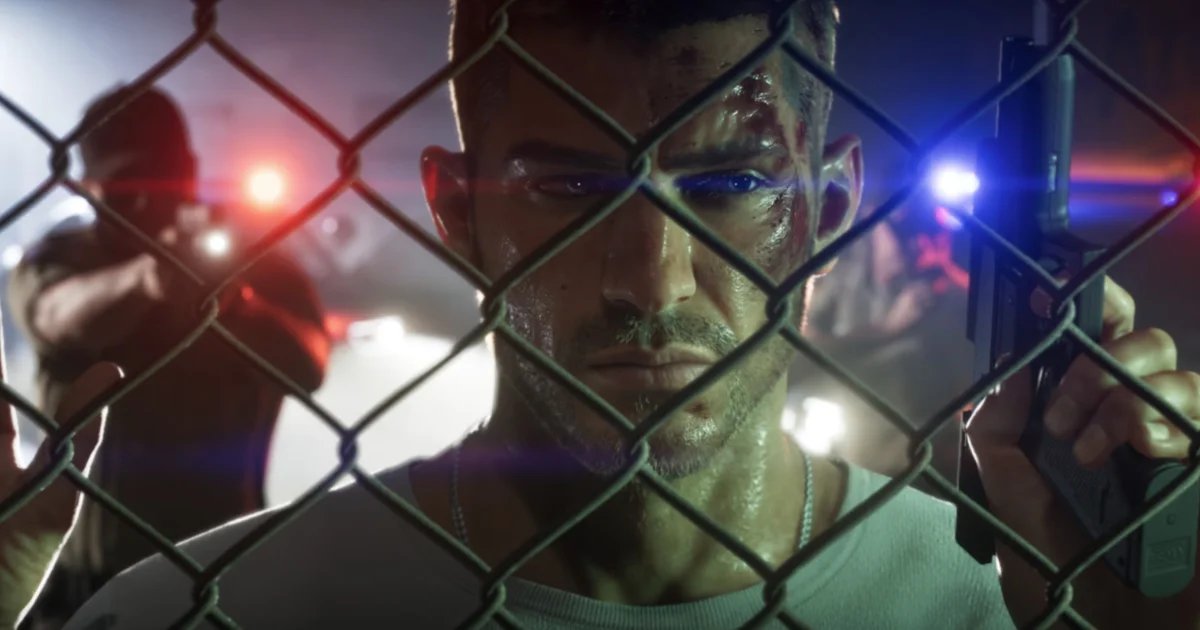
The timing of this outage is particularly critical, as it coincides with the pre-launch preparations for Grand Theft Auto VI. As one of the most significant releases in the history of interactive entertainment, the game has necessitated a massive influx of traffic across all major distribution platforms. Sony released a mandatory system software update on Tuesday evening specifically designed to optimize console compatibility with this title. In the context of large-scale distributed systems, a mandatory update often triggers a “thundering herd” effect, where millions of devices attempt to communicate with authentication servers simultaneously, potentially overwhelming the capacity of the backend architecture.
The inability to log in renders digital-only console versions effectively useless for online content, and it prevents users from downloading day-one patches. For a game as highly anticipated as Grand Theft Auto VI, where players are coordinating global launch events and planning extensive gameplay sessions, even a brief interruption to the Sony backend ecosystem causes significant friction. The technical requirements for modern titles, which often involve large file downloads verified by server-side handshakes, make the stability of the PlayStation Network a fundamental prerequisite for the gaming experience.
Understanding the Mechanics of PSN Outages
PlayStation Network services rely on a complex interplay of cloud computing, identity verification, and regional distribution nodes. When a user logs in, the console performs a handshake with Sony’s authentication servers. If these servers are undergoing maintenance, experiencing high packet loss, or dealing with database latency, the handshake fails, causing the console to deny access to online-dependent features.
The current reports indicate that while the core PlayStation website and some subsidiary services remain functional, the gaming and social components are failing. This often indicates that the issue is localized to a specific microservice within the Sony architecture, such as the gateway responsible for authorizing game licenses or managing friend lists and social interactions. Because modern game consoles maintain persistent connections to these services to verify licenses and download updates, the failure of a single authentication gateway can effectively cascade across the entire platform, creating the widespread service deprivation documented by users.
Troubleshooting and Mitigation Strategies
While Sony’s official guidance advises users to verify their local system software and internet configurations, these steps are largely ineffective when the failure occurs at the server level. For users attempting to bypass these limitations, common troubleshooting steps include restarting the console or clearing the local network cache. However, until Sony restores the integrity of its authentication gateways, these measures will not resolve a server-side authentication error.
To mitigate the impact of such outages in the future, infrastructure engineers look toward more resilient server architectures, such as regional load balancing and distributed authentication systems. These strategies allow for traffic to be rerouted if one server hub reaches its maximum capacity. In the current incident, the primary impact on the user is the inability to initiate software verification processes required to begin play. Consequently, the resolution depends entirely on the restoration of connectivity between the PlayStation hardware and the centralized Sony database, a task that falls under the purview of Sony’s server engineering teams.
The Broader Impact of Service Dependency
The reliance on centralized networks for offline or semi-offline software highlights a structural shift in the video game industry. As gaming hardware moves toward a “games-as-a-service” model, the user experience becomes increasingly tethered to the health of the publisher’s or manufacturer’s infrastructure. When that infrastructure experiences instability, the ability for a consumer to exercise their digital ownership of software is temporarily revoked.
This outage serves as a case study in the risks associated with cloud-dependent hardware. With the gaming community preparing for the massive deployment of Grand Theft Auto VI, the network’s ability to handle concurrent connection requests will be tested on an unprecedented scale. If the underlying authentication protocols are not optimized to manage this surge, further disruptions could occur. For now, the focus remains on the rapid restoration of the PSN infrastructure to ensure that the transition to the next generation of gaming titles occurs without further technical interference. As of late Wednesday, the status page indicated that engineers were actively working to stabilize these services, though full restoration timelines remained tentative.
Disclaimer: This content is auto-generated for informational purposes only.
Source: Read Original News