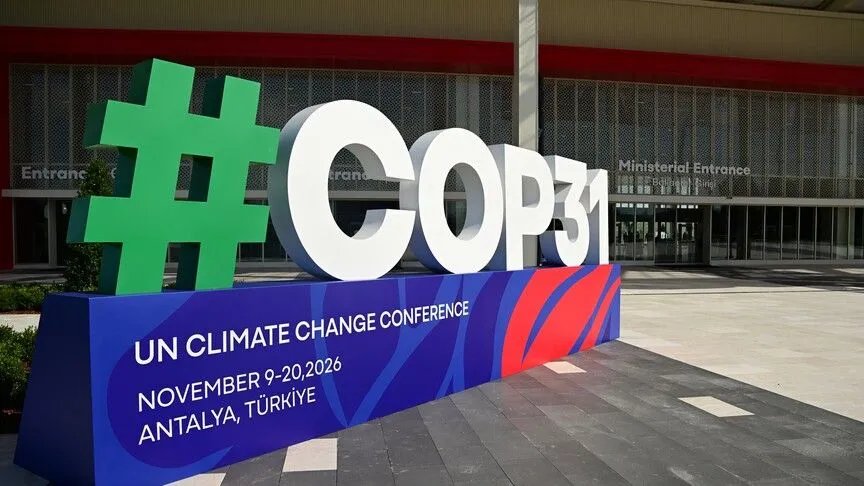








As the COP31 climate summit in Turkey enters its final, high-stakes days, the mood among the most vulnerable nations is one of mounting frustration. Vanuatu’s Environment Minister, Ralph Regenvanu, has issued a blunt indictment of the current UN negotiation process, warning that a “small group of states” is systematically blocking climate ambition and holding progress hostage.
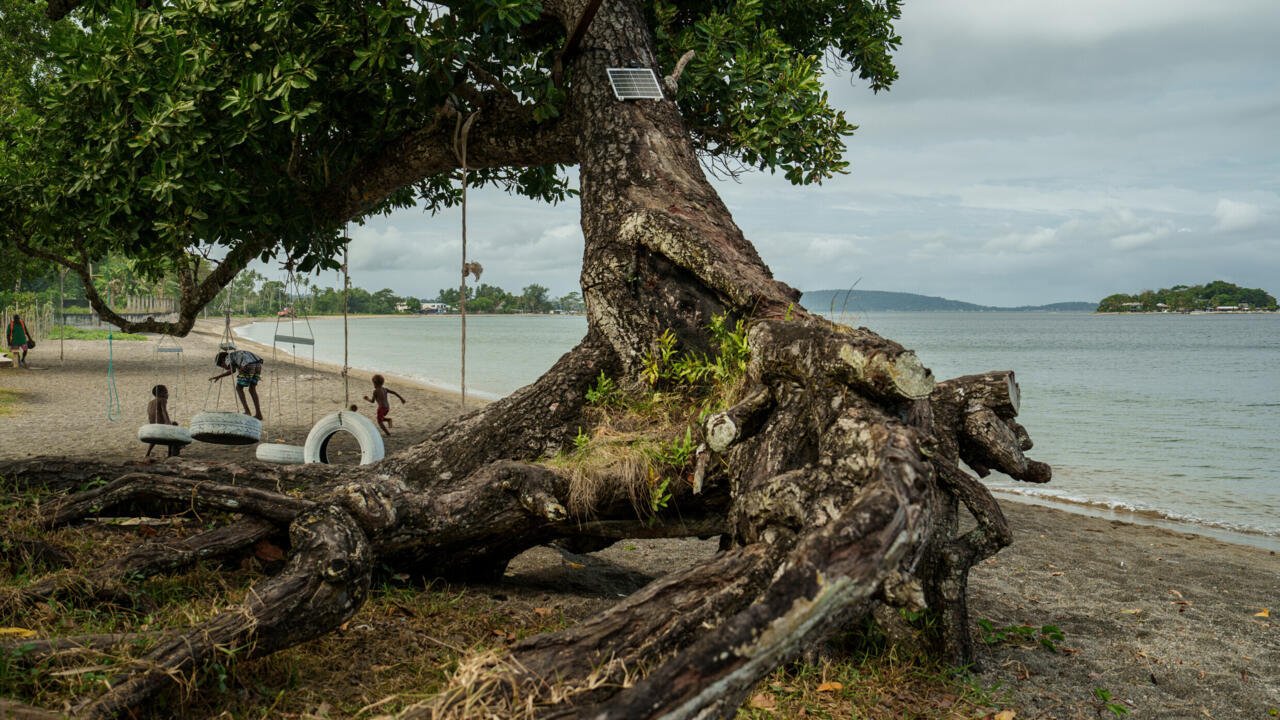
For nations like Vanuatu, which exist on the literal front lines of rising sea levels and intensifying storm systems, the diplomatic gridlock is not merely a bureaucratic annoyance—it is an existential threat. In an interview, Regenvanu called for a radical overhaul of the Conference of the Parties (COP) mechanism, arguing that the traditional reliance on consensus-based decision-making is being exploited by obstructers to derail global environmental goals.
“We need to stop having this small group of states block progress and ambition for the rest of us,” Regenvanu stated. “There should be a reform of the COP process.”
Currently, the UN climate talks require near-universal agreement to move forward. This structure has long been defended as inclusive, but critics argue that it effectively gives veto power to individual nations, regardless of their carbon footprints or vulnerability to climate change. Some countries, including Panama, have begun pushing for a transition to majority voting to bypass the persistent deadlocks that have plagued recent summits.
Regenvanu took the rare diplomatic step of explicitly naming the primary obstacles to progress. He identified the “Arab bloc” and the “LMDCs” (Like-Minded Developing Countries)—a grouping that includes major emitters such as Saudi Arabia and India—as the central forces stalling negotiations. Additionally, he pointed to Russia as a key player in the obstructionist coalition.
The resistance, according to the minister, is not confined to the climate sphere. He highlighted that these same dynamics are hindering progress on a global treaty to curb plastic pollution, which has stalled since negotiations began under the UN banner in 2022. This broader pattern of obstructionism, Regenvanu noted, is symptomatic of a global multilateral system under severe strain, compounded by geopolitical instability and the recurring shadow of United States climate policy.
The absence of the United States at COP31, following the withdrawal stance taken by President Donald Trump, has cast a long shadow over the proceedings. Regenvanu noted that multilateralism is under threat worldwide, “in no small part due to Trump.”
The divide between wealthy and developing nations, particularly regarding climate finance, remains “deep and almost unbridgeable.” While acknowledging that reality, Regenvanu emphasized that the role of the Alliance of Small Island States (AOSIS) is to act as a bridge-builder, even as the risk of “backsliding” on past commitments becomes more apparent.
“Things we thought couldn’t be threatened, that were agreed, are suddenly on the table,” he said. “It’s disappointing, but that’s the reality we’re faced with here.”
As the summit nears its conclusion, the divide between those demanding immediate, radical shifts in energy policy and those seeking to preserve current economic models remains stark. For Vanuatu and its peers in the Pacific and Caribbean, the outcome of these final days in Antalya will determine whether the international community can overcome its own procedural flaws or if it will abandon its promises to the most vulnerable in the name of diplomatic consensus.
Disclaimer: This content is auto-generated for informational purposes only.
Source: Read Original News