






Learning from the Past: Congress Overhauls Selection Process for 2027 Punjab Polls
The Congress party, still reeling from its dramatic downfall in the 2022 Punjab Assembly elections—where its legislative strength plummeted from 77 seats to a mere 18—is adopting a cautious, multi-layered approach to ticket distribution for 2027. Determined to avoid the internal fracturing and public infighting that handed the state to the Aam Aadmi Party (AAP), the high command has shifted to a strategy of disciplined silence and rigorous vetting.
A Structural Defense Against Chaos
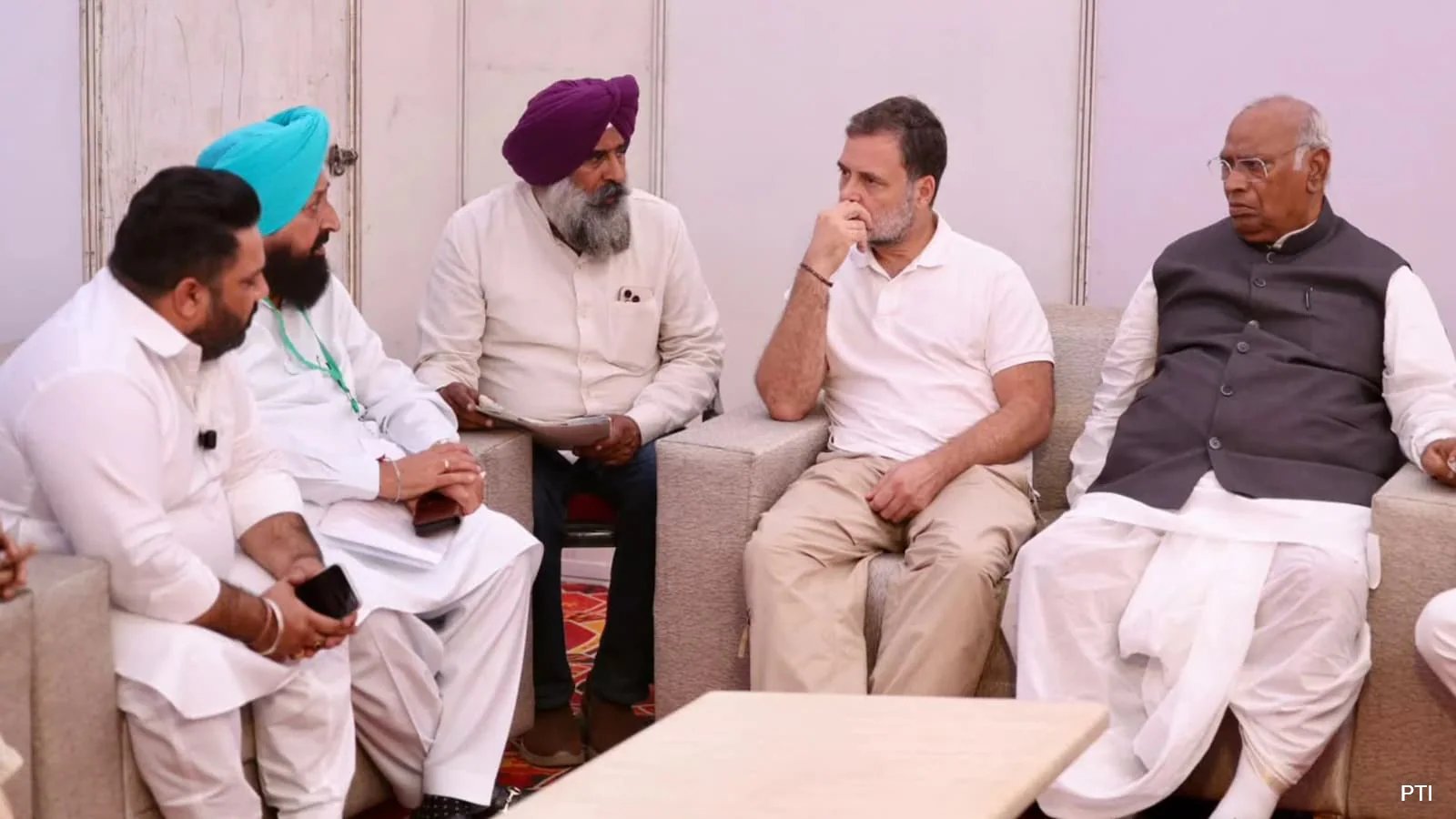
The party has meticulously constructed a series of filters to ensure that ticket selection remains an institutionalized process rather than an arena for individual power plays. A 42-member State Election Committee, featuring veteran heavyweights like Partap Singh Bajwa, Charanjit Singh Channi, and Pargat Singh, has been tasked with narrowing down candidates. This is supported by an AICC-led screening committee that evaluates applicants based on ground-level performance and survey data.
The overarching goal is to prevent the chaos of 2022, when disillusionment with internal leadership shifts—specifically the ouster of Captain Amarinder Singh—led to a surge of rebel candidates. By emphasizing that “winnability” and consistent engagement over the past four years are the primary criteria, the party aims to neutralize the influence of political turncoats and ensure loyalists are rewarded.
The Strategy of Local Consent
A critical component of this new strategy is the management of leaders joining from rival parties. A specialized four-member committee has been established to oversee such inductions, mandating that district-level leadership and local stakeholders must be consulted before any newcomer is welcomed into the fold. This protocol is a direct response to the 2022 trend, where last-minute candidate replacements alienated local cadres, leading to significant vote splitting and, in some cases, the victory of independent candidates over official nominees.
Balancing Aspirations and Family Rules
The discourse regarding the “one family, one ticket” rule remains fluid, highlighting the underlying tension between party modernization and the dominance of political dynasties. While some leaders have pushed for a strict prohibition on multiple tickets per household, others, including Pargat Singh, have argued that rigid bans should not override individual merit. The party now suggests that if two family members possess genuine, independent mass appeal, they may both be considered, prioritizing a victory-first framework over symbolic restrictions.
Unresolved Tensions and the Captain Factor
Despite the concerted effort to project a unified front, sporadic instances of friction persist. Recent remarks by former Chief Minister Charanjit Singh Channi, who prematurely declared support for certain colleagues as future ministers, have surfaced as points of friction. Furthermore, the question of Captain Amarinder Singh’s legacy continues to linger. While the Captain has ruled out a return to the Congress fold, his public appearances alongside senior party figures at recent events have sparked speculation, creating a recurring point of contention between the old guard and current leadership factions.
As the 2027 election cycle approaches, the Congress is attempting a difficult balancing act. It is striving to leverage its preserved 23 percent vote base in Majha and Doaba while simultaneously trying to shed the baggage of its previous term. Whether these new bureaucratic layers and committee-driven decisions can successfully suppress the party’s long-standing culture of internal factionalism remains the definitive test for the high command in the coming months.
Disclaimer: This content is auto-generated for informational purposes only.
Source: Read Original News