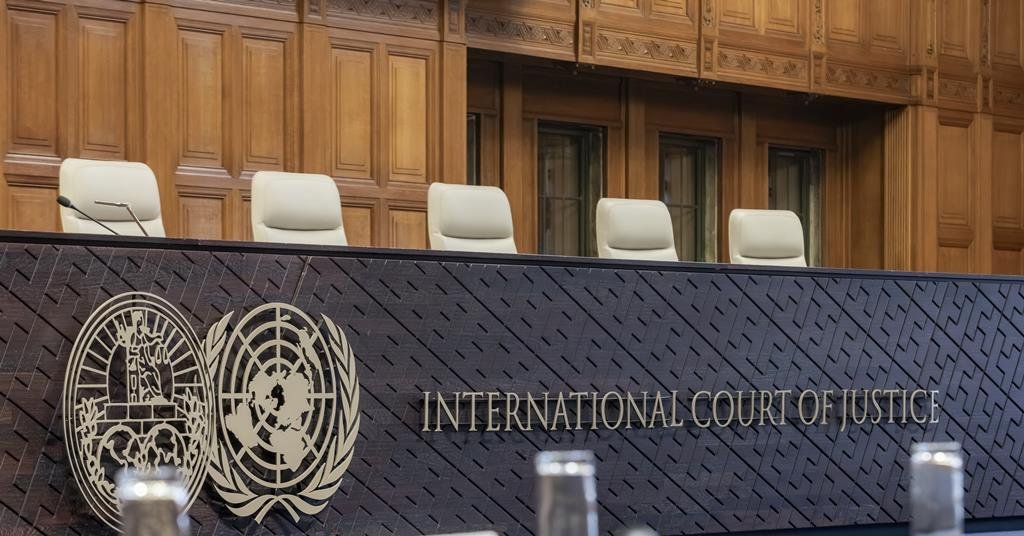







In a landmark ruling that has sent shockwaves through the international legal community, the International Court of Justice (ICJ) has found Myanmar guilty of committing genocide against its Rohingya Muslim minority. The historic verdict, delivered on Thursday in The Hague, marks the first time in history that the court has formally convicted a state of the crime of genocide.
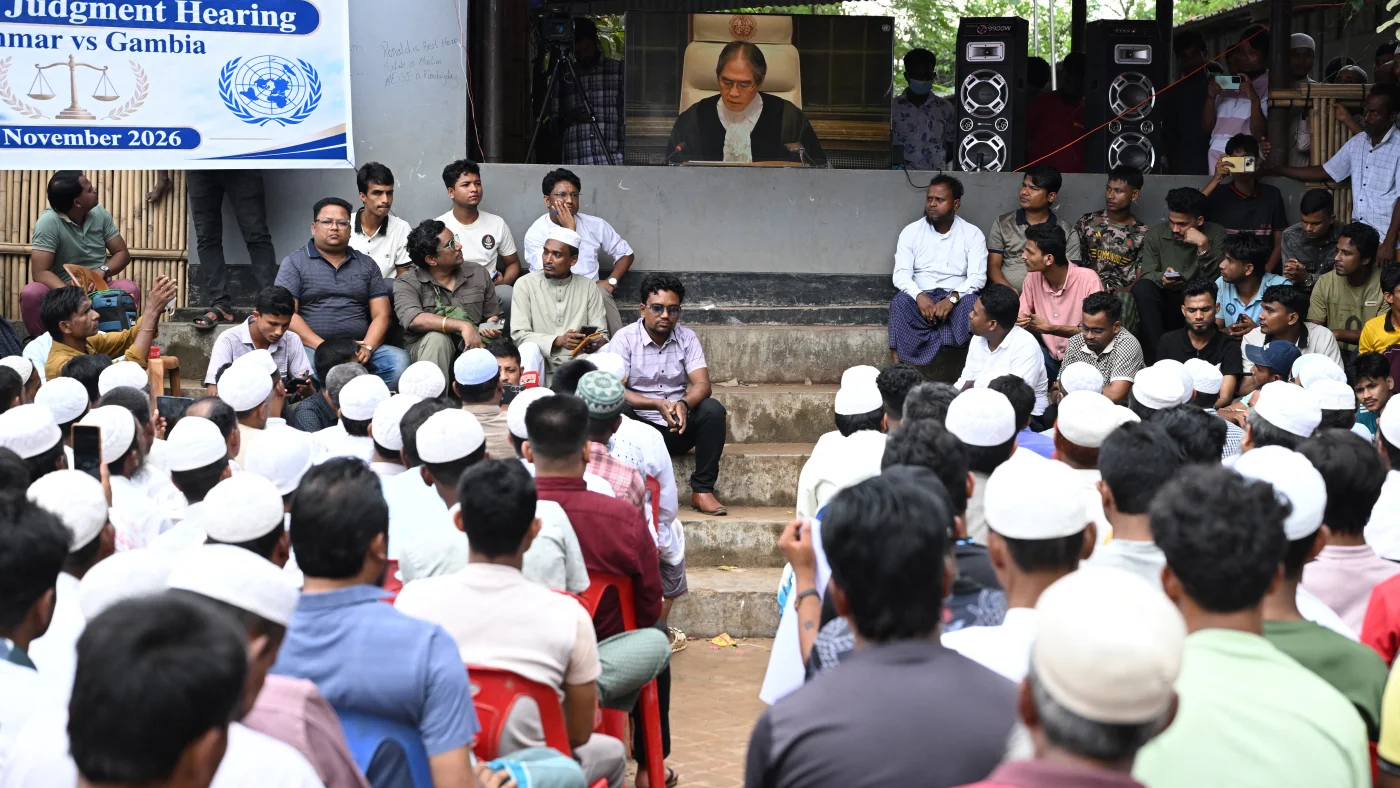
Presiding judge Yuji Iwasawa declared that Myanmar’s security forces demonstrated a clear “intention to destroy” a substantial portion of the Rohingya population during a brutal military campaign initiated in 2017. The court found that the military carried out systematic mass executions of men and boys, perpetrated widespread sexual violence against women, and razed hundreds of villages.
“The court finds that Myanmar’s security forces killed thousands of Rohingya civilians, perpetrated widespread acts of sexual violence as well as acts of extreme violence against children,” Judge Iwasawa stated. The ruling also condemned the state for the deliberate “destruction of evidence,” noting that authorities burned and disposed of bodies to cover up the atrocities.
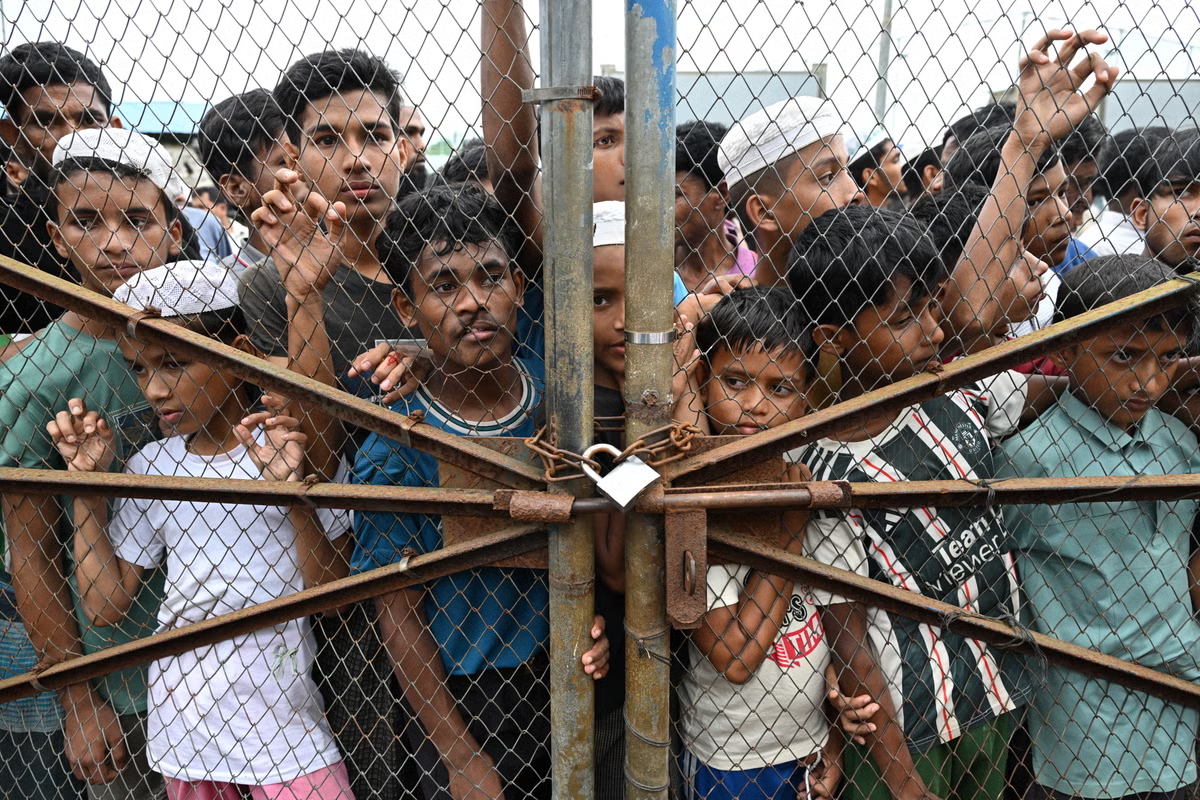
The case was brought before the court in 2019 by Gambia, which argued that the displacement of at least 730,000 Rohingya—most of whom now languish in the overcrowded Cox’s Bazar refugee camp in Bangladesh—constituted a direct violation of international law. The judges voted 9-6 in favor of the ruling, cementing a rare judicial milestone. Since the Nazi Holocaust, such a verdict has only been reached in three other instances: the 1994 Rwanda genocide, the 1995 Srebrenica massacre in Bosnia, and the Khmer Rouge atrocities in Cambodia.
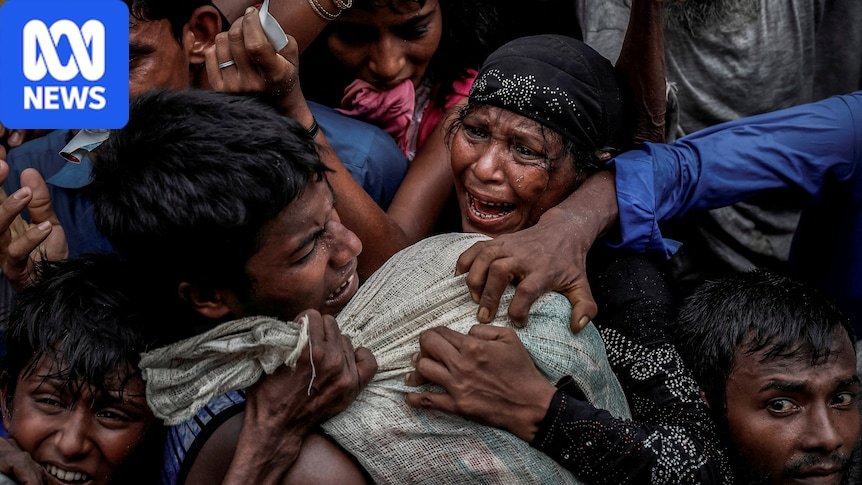
For the 1.2 million Rohingya refugees currently living in precarious conditions in Bangladesh, the verdict offers a long-awaited, albeit painful, validation of their suffering. The ICJ has explicitly ordered Myanmar to facilitate the “safe and dignified return” of the displaced population, as well as the reunification of families fractured by the violence.
Human Rights Watch hailed the judgment as a “significant precedent” for victims of grave crimes worldwide. However, the ruling also brings immediate scrutiny to the limits of international law. While the ICJ’s decisions are final and legally binding, the court lacks an enforcement mechanism, leaving the burden of compliance on the United Nations Security Council.
The case carries profound implications for other ongoing international disputes, including South Africa’s 2023 case against Israel regarding the conflict in Gaza and Ukraine’s pending litigation against Russia. All-party parliamentary groups in the UK have already urged the international community to move beyond rhetoric, calling for renewed sanctions against the Myanmar military and an immediate surge in humanitarian aid to the displaced survivors. As the international community digests the verdict, the focus now turns to whether this historic finding will lead to genuine accountability or remain a symbolic gesture in the face of ongoing geopolitical defiance.
Disclaimer: This content is auto-generated for informational purposes only.
Source: Read Original News