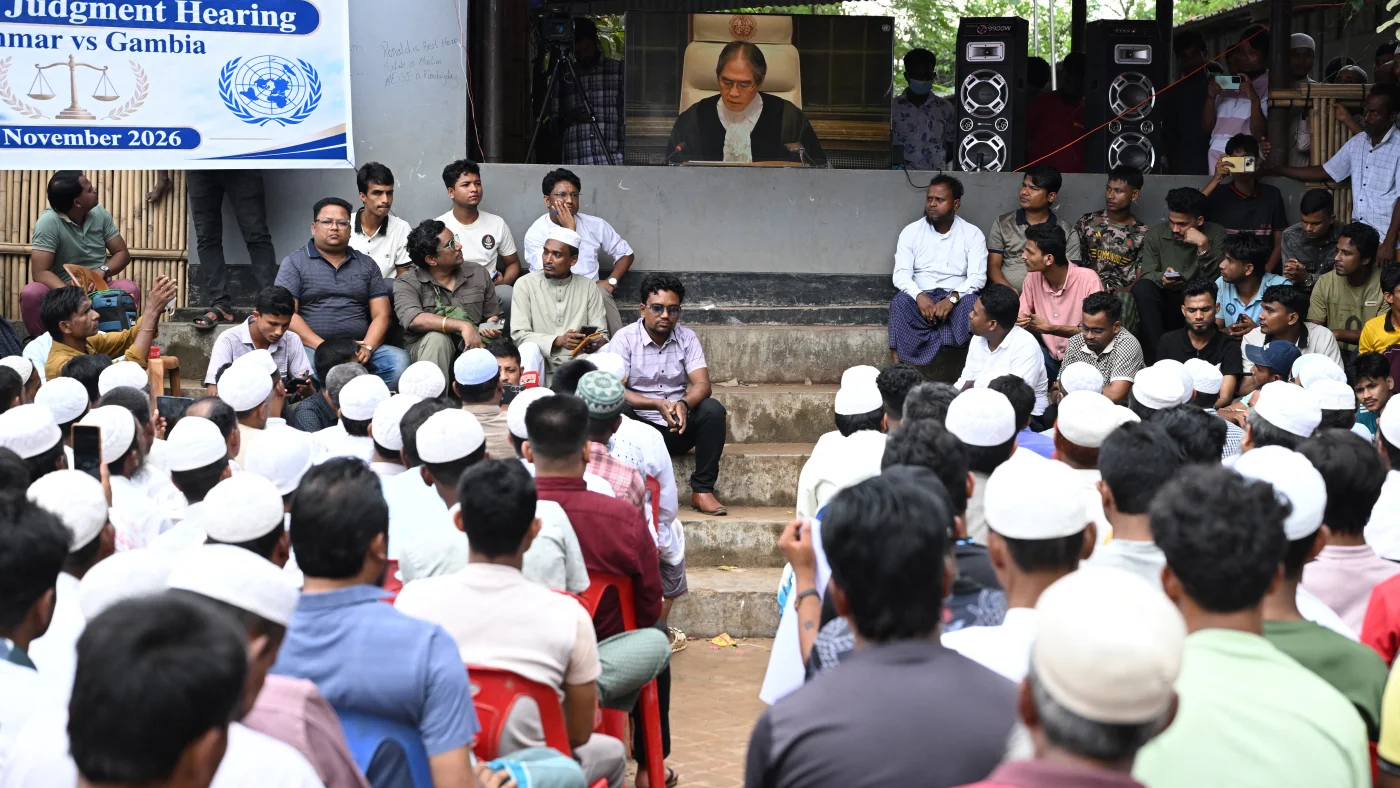








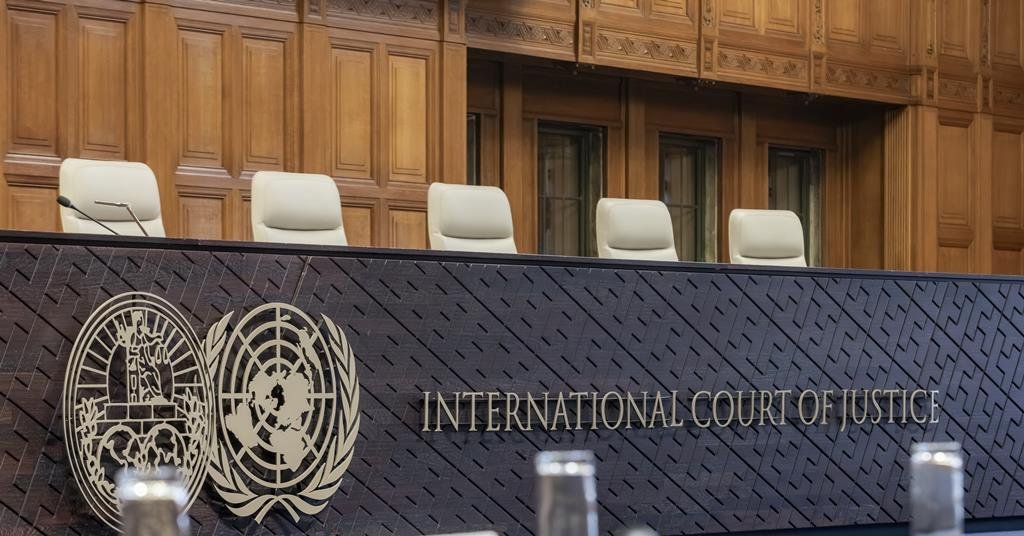
THE HAGUE — The International Court of Justice (ICJ) delivered a seismic ruling this morning, formally finding Myanmar guilty of committing genocide against its Rohingya minority. The landmark judgment, handed down by a panel of 15 international judges in the case of The Gambia v. Myanmar, marks the first time in the court’s history that a sovereign state has been held directly responsible for the crime of genocide.
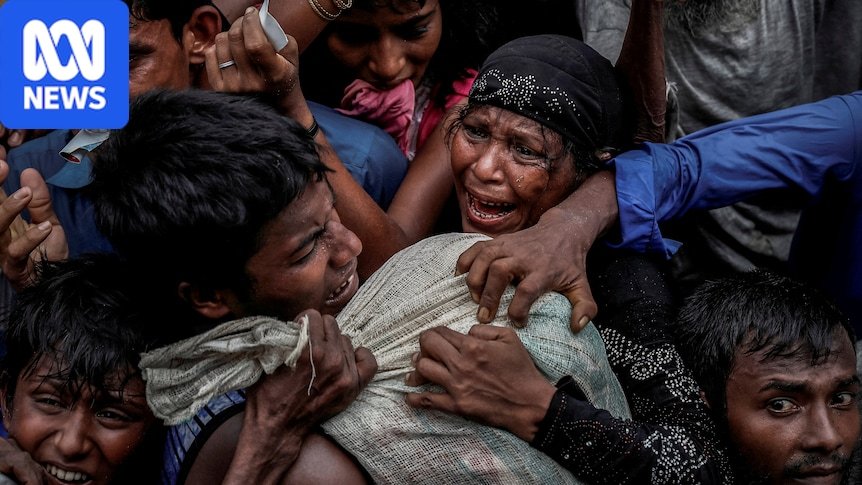
In its decision, the court concluded that Myanmar’s security forces perpetrated genocidal acts during the 2017 “clearance operations” in northern Rakhine State, rejecting the state’s long-standing defense that the violence was merely a necessary counter-insurgency effort. The ICJ found conclusive evidence that the state acted with the specific intent to destroy the Rohingya as a protected group, in direct violation of the Convention on the Prevention and Punishment of the Crime of Genocide.
While the court stopped short of finding that Myanmar publicly incited genocide by private persons, it ruled that the state failed in its fundamental obligations to prevent and punish the atrocities carried out by its security forces and associated actors.
Dr. Irene Pietropaoli, a senior fellow at the British Institute for International and Comparative Law, hailed the ruling as a “historic moment” that will fundamentally reshape the interpretation of international genocide law. “The court found that the evidence established an intent to destroy the Rohingya as a group,” Pietropaoli noted. “This is a watershed moment for international justice.”
However, the legal victory for the Rohingya has triggered an immediate diplomatic firestorm. The expansion of the court’s jurisdiction and its willingness to hold a state accountable for such grave crimes have raised urgent concerns regarding the vulnerability of other nations.
In Washington, the reaction has been combative. US Ambassador to the UN, Mike Waltz, issued a stern warning to the court last month, signaling that the US would not tolerate potential overreach. “The US will not allow globalist, faux-judges to weaponize the law against our troops, undermine our sovereignty, or put American lives at risk,” Waltz stated. Analysts now fear the Biden administration may move to impose sanctions on the court or its personnel in response to the ruling, fearing the precedent could be applied to the US or its allies in the future.
The sentiment is echoed in London, where experts warn of a “chilling effect” on Western defense and diplomacy. Sir John Jenkins, a senior fellow at the think tank Policy Exchange, cautioned that the ruling could open the door to “malicious accusations” against British officials and military personnel. “Our history, our allies, and our armed forces could all be in the firing line,” Jenkins said.
As the international community grapples with the weight of the ICJ’s findings, the ruling has set the stage for a major confrontation between the world’s highest judicial body and the Western powers that once championed its authority.
Disclaimer: This content is auto-generated for informational purposes only.
Source: Read Original News