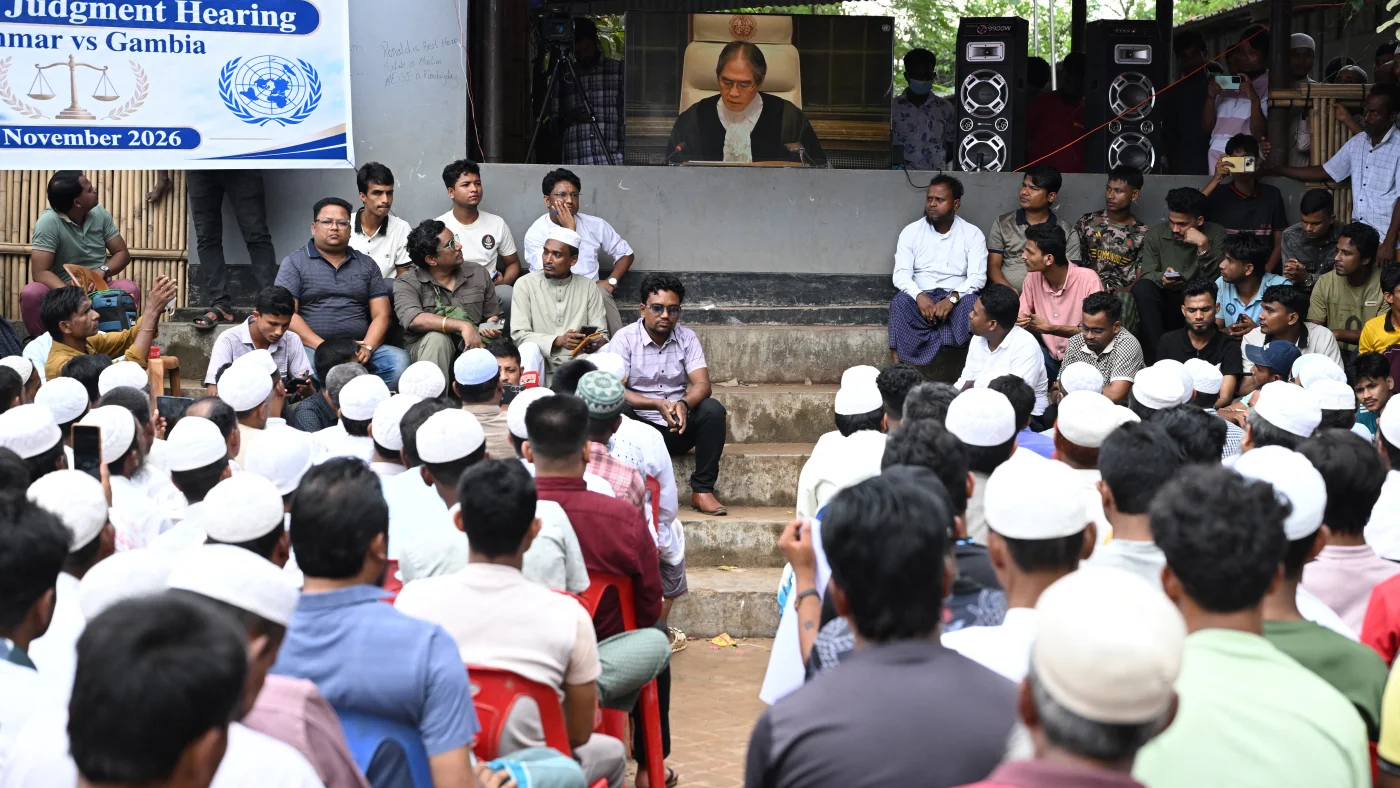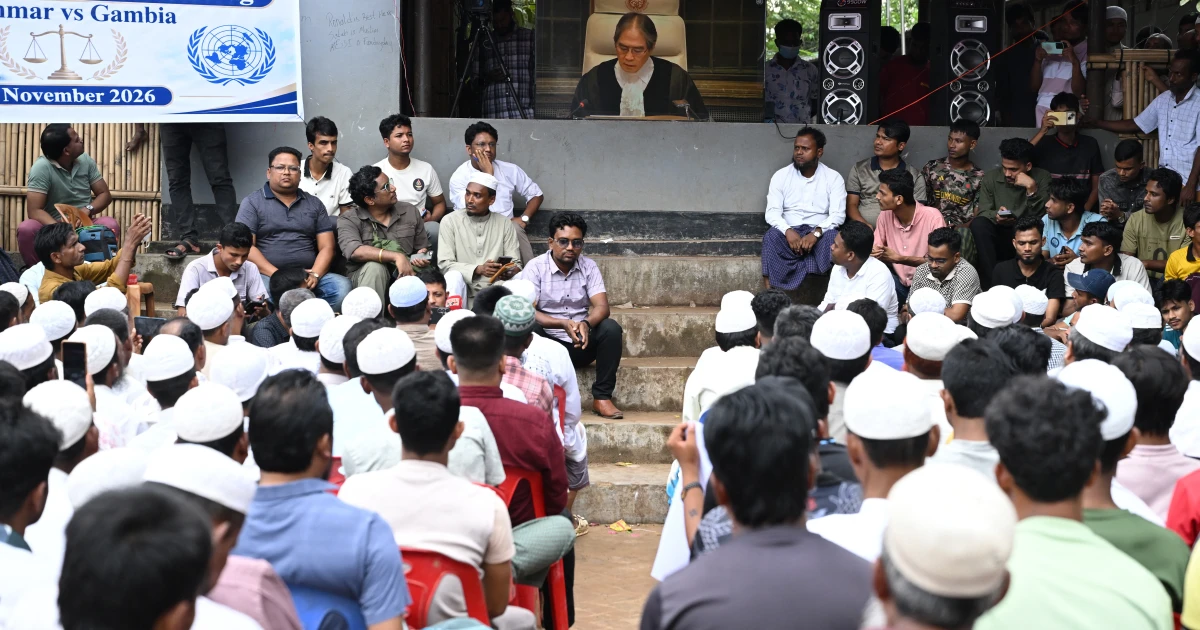






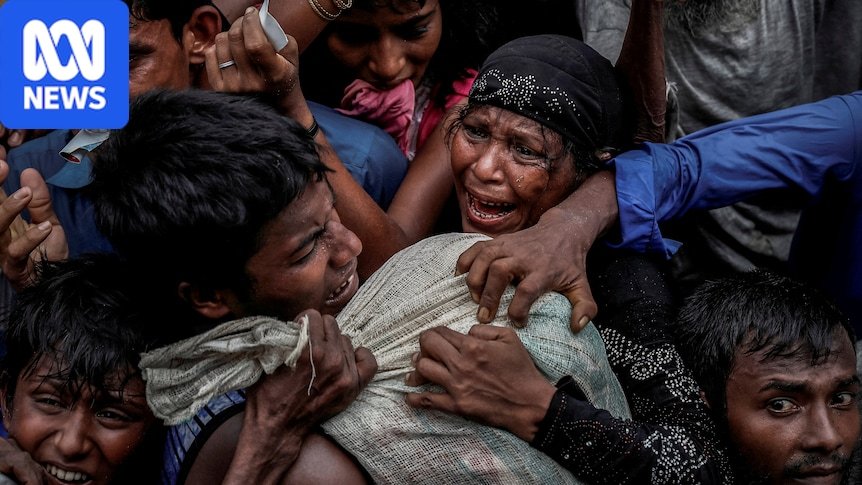
THE HAGUE — In a landmark decision that has sent shockwaves through the international legal community, the United Nations’ top court has formally ruled that Myanmar’s 2017 military campaign against the Rohingya Muslim minority amounted to state-sponsored genocide.
The ruling, delivered seven years after the case was initiated by The Gambia, marks only the fourth time in history—and the first time a state has been held directly responsible—that an international tribunal has met the rigorous legal threshold required to prove genocide.
Presiding Judge Yuji Iwasawa delivered the panel’s findings, confirming that Myanmar’s security forces systematically killed thousands of Rohingya civilians, perpetrated widespread sexual violence, and engaged in acts of extreme cruelty against children. “The court finds that the Republic of the Union of Myanmar has committed genocide against the Rohingya group in Northern Rakhine State,” Judge Iwasawa stated.
The case originated from a 2017 military crackdown, which the Myanmar army framed as “clearance operations” in response to insurgent attacks. However, investigations and survivor testimony painted a harrowing picture of massacres, systematic rape, arson, and looting. The violence forced more than 740,000 people to flee across the border into Bangladesh. Survivors described scenes of unimaginable terror, including execution-style killings and the targeting of infants.
Antonia Mulvey, a former UN investigator who documented these crimes, testified to the brutal nature of the campaign. “I recall one woman… who was eight months pregnant. She was stripped naked, hung from a tree, and repeatedly raped by nine soldiers. Her unborn child died,” Mulvey recounted.
Throughout the lengthy proceedings, Myanmar vehemently denied the allegations, with then-civilian leader Aung San Suu Kyi traveling to The Hague in 2019 to defend the military’s actions as lawful counter-terrorism. The military junta that later seized power in 2021 maintained this stance, dismissing the evidence as “unsubstantiated.”
While the ICJ’s ruling is legally binding, it carries no immediate mechanism for enforcement. The court ordered Myanmar to provide reparations and ensure the safe return of displaced Rohingya, but experts note that compliance is notoriously difficult to secure. If Myanmar defies the order, the matter could theoretically be referred to the UN Security Council, though political deadlock among permanent members makes meaningful intervention unlikely.
Beyond its impact on the Rohingya, the ruling is being closely scrutinized for its potential influence on other high-profile cases currently before the court, most notably the genocide allegations against Israel regarding the war in Gaza. While the court’s decision is not an automatic precedent for other conflicts, legal scholars suggest it sets a significant benchmark for how the ICJ interprets “intent to destroy” a protected group.
For the Rohingya community, scattered across refugee camps and foreign lands, the judgment offers a rare, if bittersweet, measure of validation. Nur Sadek, a 24-year-old refugee currently living without legal status in Malaysia, said the ruling provides a glimmer of hope. “We have been waiting for decades to be recognized for our suffering,” he said. “The legal proceedings give me hope that the situation might change so that we can go back home someday.”
Disclaimer: This content is auto-generated for informational purposes only.
Source: Read Original News