








The Anatomy of a Landmark Public Listing
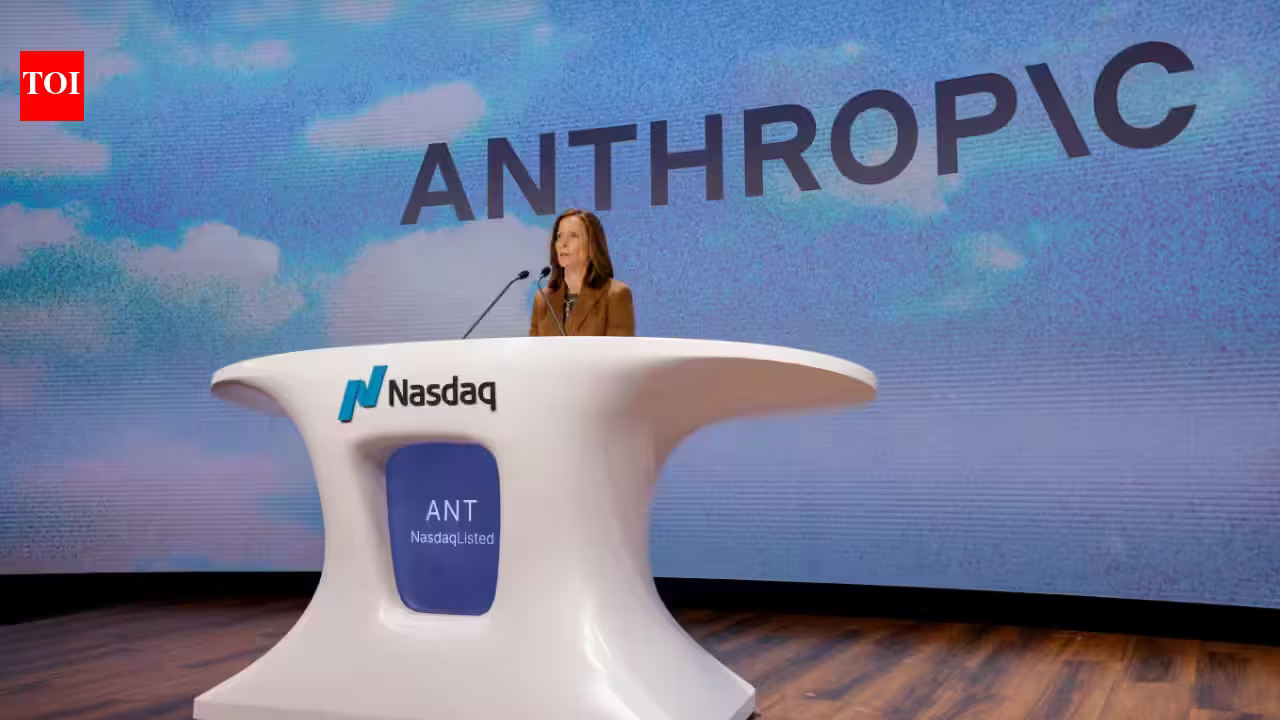
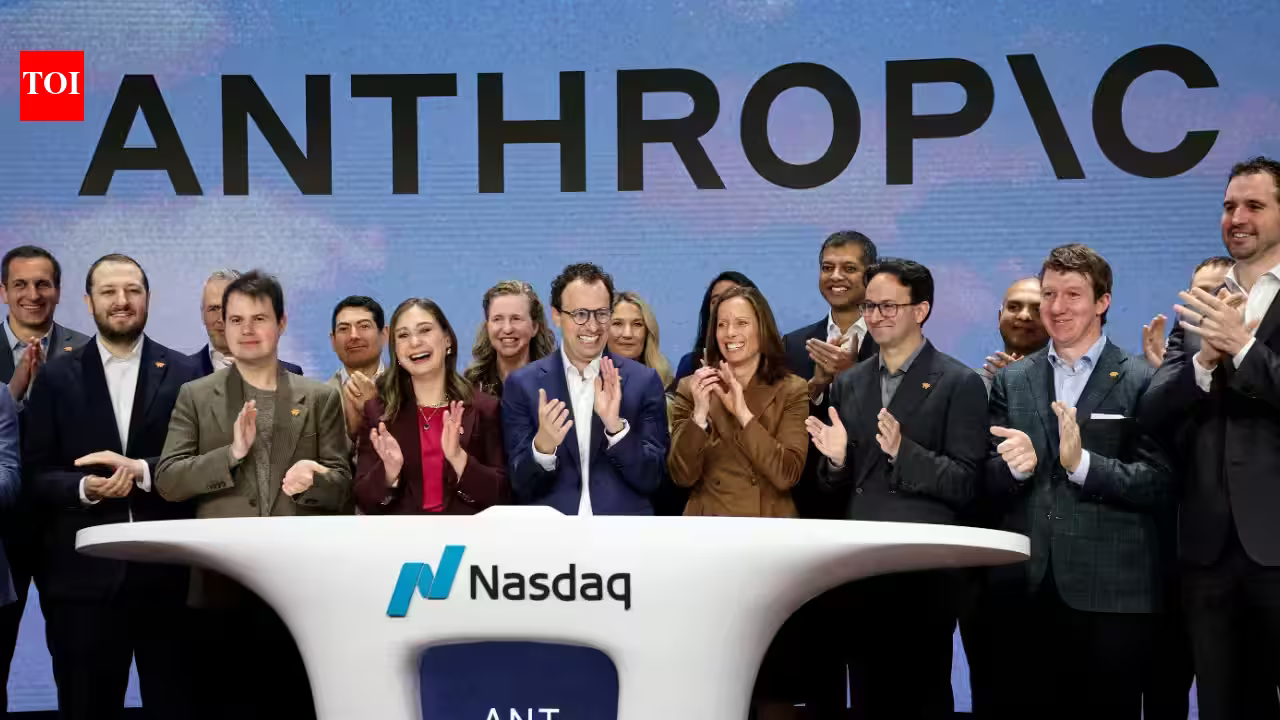
The recent public debut of Anthropic on the Nasdaq exchange represents more than just a financial milestone; it serves as a masterclass in modern corporate wealth distribution. With a valuation reaching the $2 trillion mark and a first-day stock performance that saw shares climb nearly 17%, the company has cemented its status as a titan of the artificial intelligence sector. However, the most profound narrative emerging from this IPO is the unprecedented financial windfall experienced by its workforce. With 5,100 of its 5,300 employees—nearly 96% of the total staff—attaining paper millionaire status, Anthropic has effectively redefined the scale at which technology firms can generate wealth for their personnel.
This transition from a private, research-heavy startup to a publicly traded powerhouse provides a rare window into the mechanics of equity-based compensation. By pricing its shares at $83, Anthropic ensured that the benefits of its rapid valuation growth were shared across a broad spectrum of roles, extending far beyond the founding team to include researchers, engineers, and administrative personnel. The fact that roughly 600 employees now possess equity holdings exceeding $100 million underscores a shift in how high-growth companies leverage ownership to retain specialized talent in a highly competitive AI labor market.
Strategic Equity as a Retention Engine
The phenomenon observed at Anthropic highlights the effectiveness of equity as a core pillar of human capital strategy. In the Silicon Valley model, startups frequently utilize stock grants as a mechanism to offset limited cash reserves while simultaneously aligning the long-term objectives of the employee with those of the organization. Unlike traditional sectors where annual bonuses serve as the primary incentive, the “Ants”—as employees are known internally—were incentivized by the potential for exponential growth tied to the company’s valuation.
Data from financial tracking firms indicates that the speed of this wealth creation is an outlier even by historical standards. The low attrition rate at the company throughout its growth phase suggests that the prospect of future equity liquidity acted as a powerful anchor. By consistently demonstrating a clear trajectory toward a public offering, management successfully mitigated the risk of talent drain to rival AI organizations. This strategy effectively turned the company into a self-reinforcing engine of growth, where the promise of immense financial upside encouraged staff to remain focused on the company’s long-term technical objectives rather than seeking shorter-term gains elsewhere.
Comparative Analysis of Wealth Creation
When evaluating the scale of this financial event, analysts often look to historic IPOs, such as the public debut of SpaceX. While SpaceX’s market entry created approximately 4,400 millionaires, that figure was drawn from a substantially larger total headcount of 22,000. Furthermore, the timeline for that wealth creation spanned over two decades. In stark contrast, Anthropic achieved a comparable concentration of wealth in a mere three years. This accelerated velocity is a reflection of the unique nature of the current AI boom, where specialized knowledge in large language models commands a premium that traditional manufacturing or aerospace sectors rarely sustain.
The concentration of this wealth in San Francisco also reflects the geographic nature of the AI industry. While companies like SpaceX operate across diverse industrial hubs, the localized density of Anthropic’s workforce underscores how institutional knowledge and technical innovation are concentrated in specific geographic clusters. This density has contributed to a unique internal culture where the alignment of staff incentives has been critical to maintaining the pace of innovation required to reach such a significant valuation within a short timeframe.
Market Timing and the Equity Paradox
The Anthropic listing also brings to light the role of tenure in financial outcomes. Analysis of the company’s share distribution confirms that joining a company early is often a more significant driver of total return than seniority. Employees who joined in 2023 or 2024 have, in many cases, secured life-changing financial positions that rival or exceed those of earlier arrivals who held more senior titles. This “equity paradox” is a common feature of hyper-growth companies, where the sheer momentum of the valuation at the time of an employee’s arrival plays a more decisive role in their total net worth than their organizational rank.
This realization is particularly relevant for the professional landscape in India, where the startup ecosystem is increasingly utilizing Employee Stock Ownership Plans (ESOPs) to compete for high-end technical talent. As Indian technology firms and deep-tech startups look to scale globally, the Anthropic model provides a compelling case study on the importance of transparent, broad-based equity distribution. It demonstrates that when a company effectively democratizes ownership, it creates a formidable competitive advantage in attracting and maintaining the specialized labor required to lead in the global AI race.
New Standards for Liquidity and Lockup Periods
Perhaps the most disruptive aspect of the Anthropic IPO is its departure from traditional lockup conventions. Standard market practice typically mandates a six-month period during which early investors and employees are prohibited from selling their shares, a mechanism designed to prevent excessive volatility immediately following a listing. Anthropic’s decision to implement a staggered, complex lockup schedule—permitting non-founder insiders to liquidate up to 10% of their holdings from the very first day—represents a significant shift in corporate governance and market liquidity.
This flexibility allowed employees to realize immediate value for their years of dedication, effectively validating the work they performed during the startup phase. By allowing this early access to liquidity, the company has likely set a new benchmark for how technology firms manage the transition from private to public. While it is too early to measure the full impact of this liquidity on the secondary market, it is clear that for the employees, this approach minimized the gap between the “paper wealth” of the private era and the “realized wealth” of the public market. For investors and companies alike, the Anthropic debut marks a pivot toward more flexible, employee-centric liquidity paths that prioritize the financial stability of the workforce alongside the traditional interests of public shareholders.
Disclaimer: This content is auto-generated for informational purposes only.
Source: Read Original News