







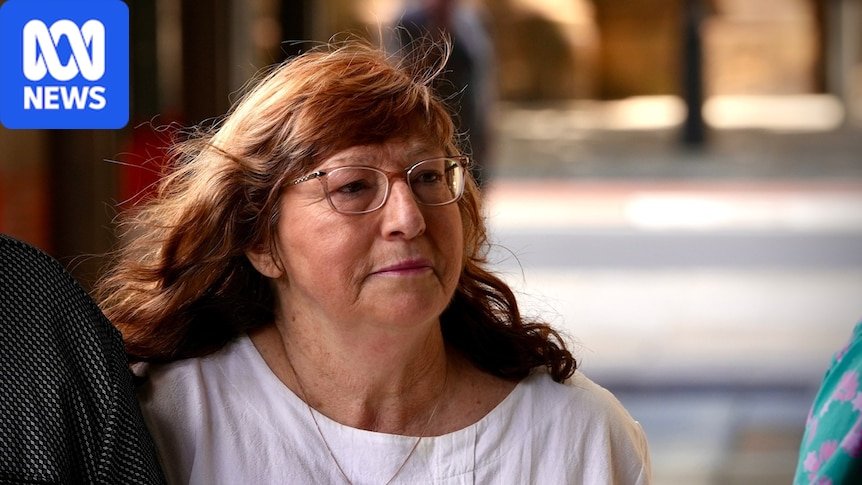
ADELAIDE — A Supreme Court jury has found 66-year-old Raelene Polymiadis guilty of murdering her elderly parents, Brenda and Lynton Anderson, following a chilling five-month trial that gripped South Australia.
The verdict, delivered after four-and-a-half hours of deliberations, brought a definitive end to the high-profile case. As the court registrar read the guilty findings for both counts of murder, Polymiadis, a type 1 diabetic, broke down in tears, visibly trembling as she gripped the railing of the dock for support.
The trial centered on the deaths of the Andersons, both 94, who died 14 months apart in 2022 and 2023. Throughout the proceedings, prosecutors painted a grim picture of a daughter who weaponized her own medical condition to end her parents’ lives. The jury heard that Polymiadis, who required insulin to manage her diabetes, used the substance as a lethal tool, injecting her parents with fatal doses.
Prosecutor Michael Foundas argued that the primary motive behind the killings was Polymiadis’s desperate desire to prevent her parents from being placed into residential aged care facilities.
The court heard harrowing details regarding the timeline of the deaths. Brenda Anderson died on March 16, 2022, at Flinders Medical Centre. Prosecutors detailed how Polymiadis had administered a large dose of insulin to her mother while visiting her at Noarlunga Hospital just days earlier, before delivering a second, fatal dose while she was being treated at the medical centre.
Lynton Anderson died on May 1, 2023. Toxicology reports confirmed he had a “large amount of insulin” in his system at the time of his death, despite neither of the elderly pair having a diagnosis of diabetes.
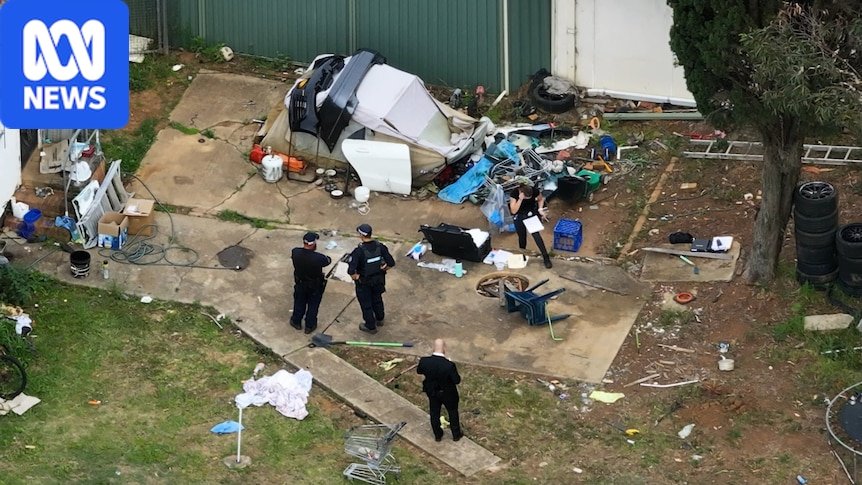
Central to the prosecution’s case were covert recordings captured by a police listening device installed in Polymiadis’s car, which prosecutors claimed contained explicit confessions to the crimes. Authorities also seized a set of handwritten notes from her home and vehicle that allegedly outlined a script for her to use when questioned by police, which the Crown presented as evidence of a calculated cover-up.
In her final address, defence barrister Marie Shaw KC had urged the jury to view the recordings through a different lens. She argued that her client’s words were not an admission of murder, but an expression of profound guilt over the fact that her insulin had inadvertently played a role in their passing. She suggested Polymiadis was “accepting responsibility” for a tragic outcome rather than confessing to a deliberate act of homicide.
The jury ultimately rejected that defense, siding with the prosecution’s narrative of intentional poisoning.
Polymiadis, who has remained in custody, is scheduled to return to court in December for sentencing submissions.
Disclaimer: This content is auto-generated for informational purposes only.
Source: Read Original News