







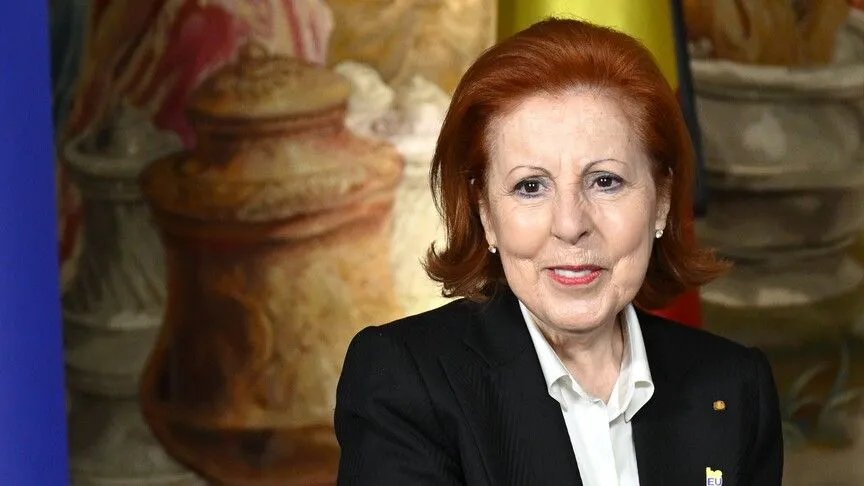
As the UN climate conference in Antalya nears its conclusion, Portuguese Environment and Energy Minister Maria da Graça Carvalho has expressed cautious optimism regarding the delivery of a final consensus. While the conference is moving toward a conclusive agreement, Carvalho indicated that the anticipated “cover decision” may face delays, potentially extending the negotiations into the weekend.
Speaking on the sidelines of the summit on November 20, 2026, Carvalho addressed the slow pace of the final drafting process. “I think there will be a consensus. We always, usually get a consensus,” she stated, while noting the logistical hurdles that typically accompany the final hours of climate summits.
The Minister explained that the delay stems from the necessity for thorough scrutiny of the latest draft text. “The new version, they told us that we will get only by the end of the afternoon. After, we need to analyze, we need to negotiate with the different groups,” she said. Because these consultations require extensive coordination between diverse international delegations, Carvalho suggested that the final document could be released late Friday or potentially not until Saturday morning.
At the heart of the ongoing negotiations for the European Union and its member states is the firm commitment to phase out fossil fuels. Carvalho emphasized that the EU is advocating for explicit language in the cover decision that reinforces existing roadmaps toward decarbonization. For the bloc, this is not merely an environmental imperative but a strategic necessity.
“It’s very important for us because it’s a question of fighting climate change, improving air quality, and also competitiveness,” Carvalho explained. She pointed to the economic volatility witnessed in recent months, noting that the rising costs of fossil fuels have underscored the economic risks of continued reliance on traditional energy sources. By transitioning toward cleaner alternatives, the Minister argued that European nations can mitigate the financial strain caused by energy price fluctuations.
Beyond the economic implications, the Minister underscored the critical issue of energy security. As a continent with limited domestic fossil fuel reserves, Europe remains heavily reliant on imports. “We don’t have fossil fuels. We have to import,” Carvalho noted. “So, security of supply is also very important that we are less dependent on fossil fuels.”
The push for a clear, actionable mandate on fossil fuel phase-outs remains a significant point of contention in the final hours of the conference. While the EU maintains that reducing dependency is essential for both climate goals and national security, the final text must balance these ambitions with the varying economic realities of participating nations.
As delegations prepare for potential overnight sessions, the international community watches closely to see whether the final COP31 cover decision will provide the clear, unified signal on energy transition that advocates and climate scientists argue is necessary to meet global temperature targets. For now, the focus remains on the meticulous process of diplomatic negotiation, with Minister Carvalho and her counterparts braced for a final, decisive push to cross the finish line.
Disclaimer: This content is auto-generated for informational purposes only.
Source: Read Original News