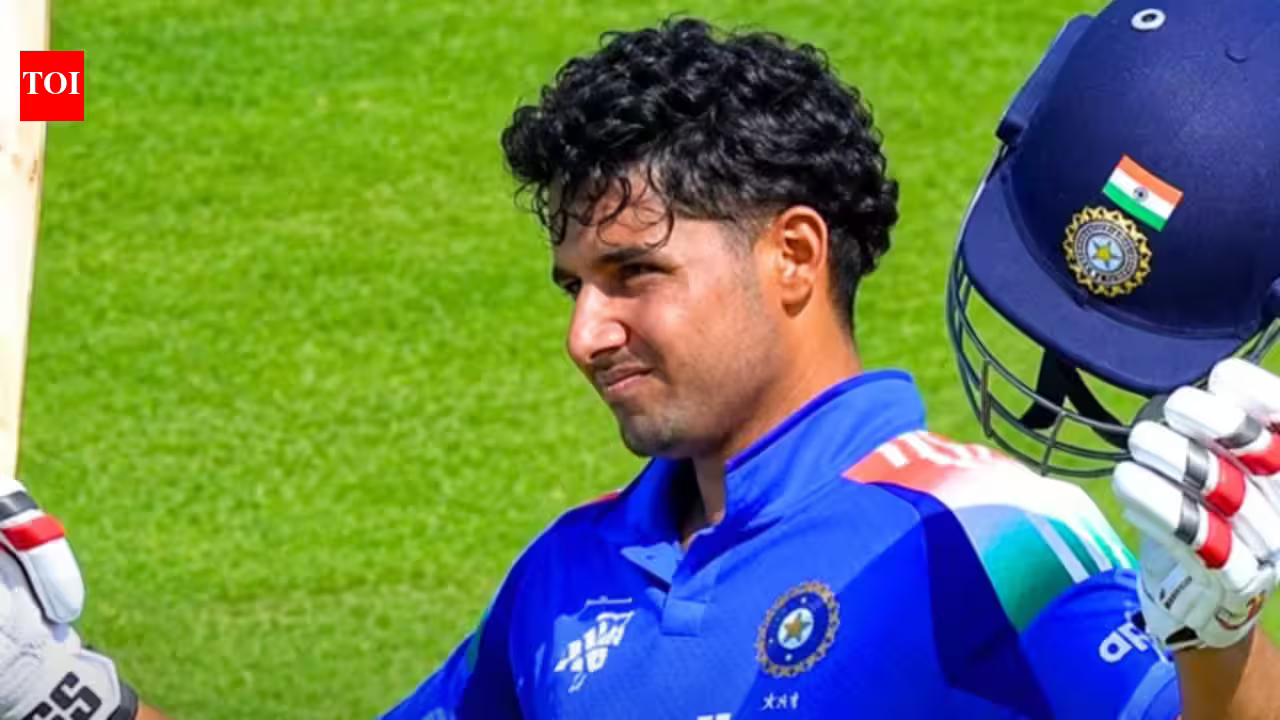









DOHA – The much-anticipated opening clash of the ACC Men’s Asia Cup Rising Stars 2026 turned into a tactical nightmare for India A on Tuesday, as a disciplined Nepal bowling attack dismantled the top order on a tricky Doha surface. Expectations were sky-high for India’s explosive opening pair, Abhishek Sharma and the teenage sensation Vaibhav Sooryavanshi, but both faltered early, leaving the Men in Blue in a precarious position during the initial powerplay phase.
After Nepal captain won the toss and elected to bowl first, the conditions immediately signaled that this would be no run-fest. The Doha pitch, which appeared deceptively firm under the morning sun, began to behave unpredictably, with the ball holding up in the surface and occasionally gripping for the seamers. For a side renowned for its aggressive intent, India A found themselves suffocated by the lack of pace and the variable bounce.
An Early Exit for the Openers
Abhishek Sharma, who entered the tournament with a reputation for clearing the ropes with ease, struggled to find his rhythm from the very first delivery. Facing a relentless line and length from Nepal’s Nandan Yadav, Sharma could only manage nine runs off 13 deliveries. The frustration was evident as the left-hander attempted to force the issue in the sixth over. Looking to launch a full delivery into the stands, Sharma misjudged the pace of the pitch, swinging early and catching only the toe-end of his willow. The resultant high ball sat in the air for an eternity before substitute fielder Abhishesh Gautam settled underneath it at mid-on, completing a comfortable catch that sent the Indian dugout into an uneasy silence.
At the other end, 16-year-old prodigy Vaibhav Sooryavanshi looked significantly more fluid in his approach. He managed to tease the spectators with glimpses of the raw talent that has made him one of the most talked-about young prospects in Indian cricket, striking three elegant boundaries and one audacious six. However, even Sooryavanshi, known for his fearlessness, found the surface too sticky to maintain a consistent strike rate. As Nepal tightened the screws with smart variations in pace, the teenager became restless.
The breakthrough for Nepal came in the 11th over via Pawan Sarraf. Sooryavanshi, attempting to utilize his reach by clearing his front leg to muscle the ball down the ground, was undone by the surface’s lack of pace. The ball gripped, turned ever so slightly, and bypassed the bat to shatter the top of middle stump. His departure for 26 off 32 balls marked a significant setback for India A, who were hoping for a quick-fire start to negate the difficult overhead conditions.
Nepal’s Grip Tightens
The collapse continued shortly thereafter when the dependable Ayush Badoni walked back to the pavilion. In a masterful display of spin bowling, Nepal’s Lalit Rajbanshi lured Badoni into a rash shot. The batsman, attempting to break the shackles, charged down the wicket only to be deceived by the flight and turn. The ball zipped past his outside edge, leaving the wicket-keeper with a simple stumping opportunity.
By the end of the 11th over, India A found themselves reeling at 3 down, with the top order—the side’s most prolific run-scorers—already back in the pavilion. The middle-order transition, which had been a point of discussion during the pre-match analysis, was suddenly put to the ultimate test under immense pressure.
The Road to Recovery
With the scoreboard reading a dismal figure and the Nepali bowlers breathing down their necks, the responsibility of stabilizing the innings fell squarely on the shoulders of captain Tilak Varma. Known for his technical soundness and ability to operate under pressure, Varma stepped into the middle needing to curb his aggressive instincts to navigate the treacherous phase before the ball lost its hardness.
For Nepal, the first 11 overs represented a dream start. The bowlers executed their plans to perfection, keeping the scoring rate low and forcing the Indians to play expansive shots on a surface that clearly discouraged them. The tactical discipline shown by the Nepali side has sent a loud message to the rest of the tournament: they are not here merely to participate, but to compete for the title.
As the match progresses, all eyes are now fixed on how the Indian middle order manages to neutralize the spin-heavy threat posed by Nepal. With the surface offering consistent assistance to the bowlers, the task of reaching a competitive total will require a mix of patience, grit, and high-quality game management. For India A, the Asia Cup Rising Stars has officially become a battle of nerves, and their path to the semi-finals now rests on the ability of their captain and lower-order batsmen to salvage pride and points from a challenging start in Doha.
Disclaimer: This content is auto-generated for informational purposes only.
Source: Read Original News