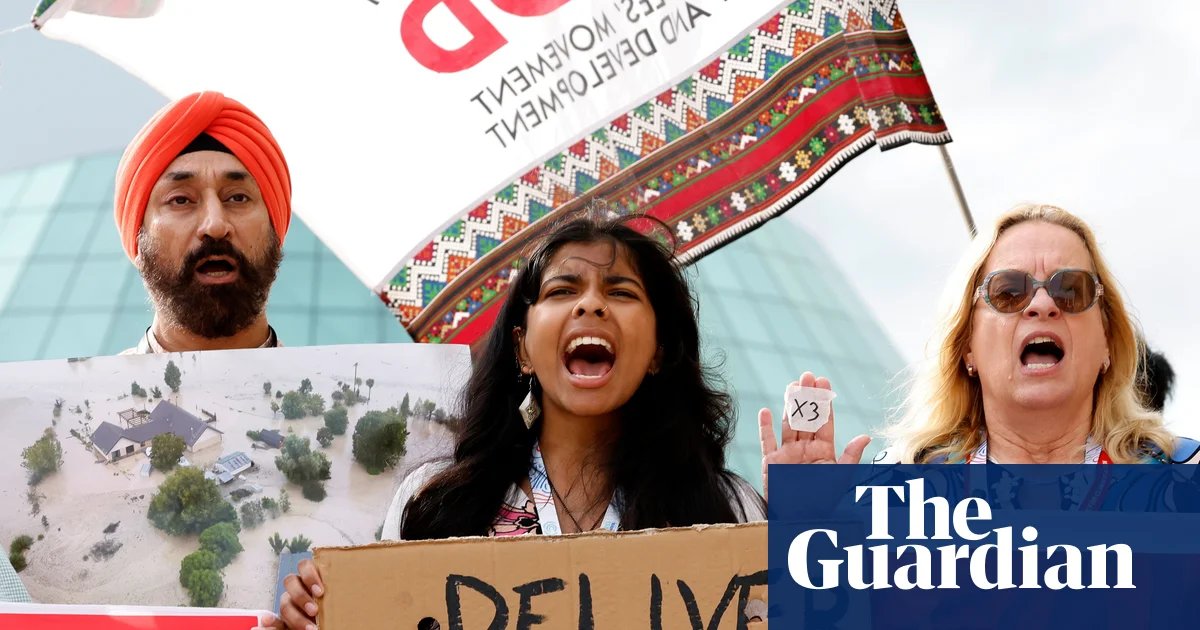









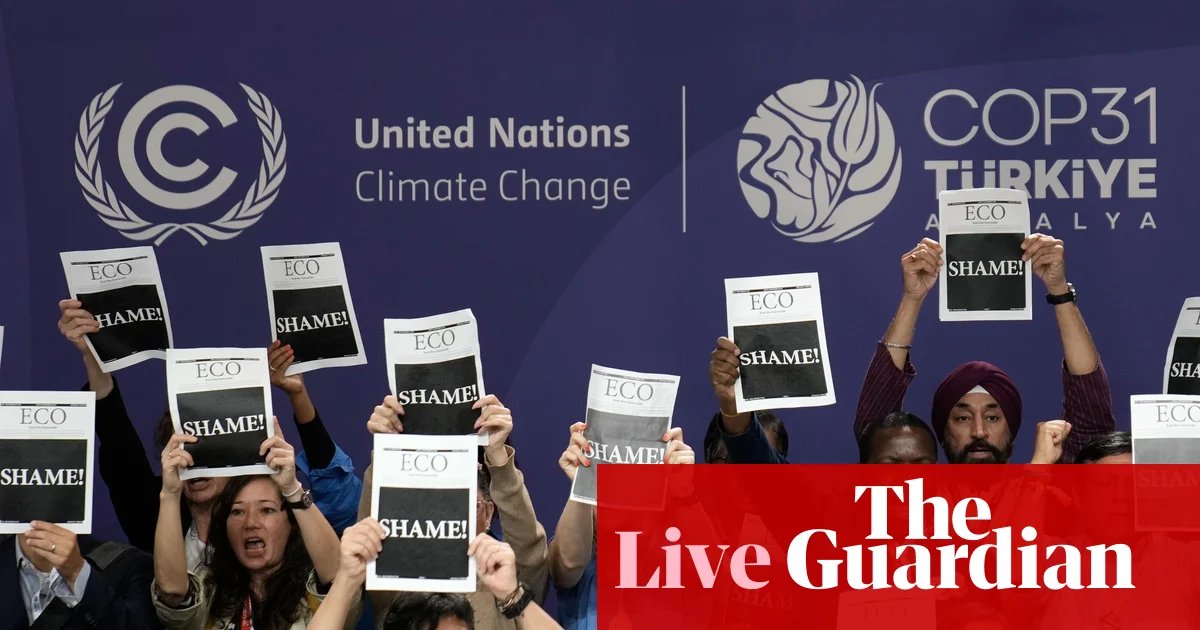
ANTALYA – As the COP31 climate summit enters its final scheduled day in Turkey, tensions have reached a boiling point, with African ministers accusing wealthy nations of eroding the credibility of the entire UN negotiation process.
The atmosphere in Antalya is marked by deep-seated division, as delegates struggle to bridge the gap between developing nations and a bloc of wealthy, often fossil-fuel-producing, countries. What was intended to be a closing day for the summit is widely expected to extend into the weekend, as negotiations remain deadlocked over key issues including finance, the just transition, and adaptation.
“We didn’t come here to beg,” said Zanetor Agyeman-Rawlings, chair of the African Group of Negotiators, during a press conference on Friday morning. “We came here to claim what is rightfully ours for our people who are suffering the brunt of anthropogenic activities of developed countries that they are now being asked to pay for in ways that they never asked.”
Agyeman-Rawlings criticized the use of “technicalities” and “inaccessible finance” as tools to exclude African nations from meaningful participation. She warned that the current draft texts concerning climate finance, the just transition mechanism, and global adaptation goals were insufficient and disconnected from the realities facing the continent.
“Africa is not a continent merely seeking assistance,” she added. “We are asking the developed countries to keep promises that they already made.”
While avoiding naming specific nations, the rhetoric from African negotiators appeared to signal a growing frustration with the perceived hypocrisy of certain developed countries. Agyeman-Rawlings drew a sharp parallel between historical exploitation and the current climate transition, stating, “We do not have a desire to see this repeated with this new transition. Africa must take her rightful place and be a part of the transition and not merely a resource provider for the transition that others are going through.”
The dissatisfaction is mirrored by Indigenous groups, who have joined the criticism. The International Indian Treaty Council declared the summit a failure, denouncing the current draft text for its reliance on unproven technologies like carbon capture and storage (CCS) rather than committing to a definitive phase-out of fossil fuels.
“We cannot trust these leaders to lead us out of the climate crisis,” said Bryan Bixcul, a Mayan-Tz’utujil Indigenous rights advocate, pointing to the lack of concrete renewable energy mandates in the latest proposals.
The draft text, which has been trimmed from over 140 points of discussion to 79, has faced heavy backlash for removing explicit references to “fossil fuels,” replacing them with vague language regarding an “irreversible global transition.”
Further complicating the final hours of the summit is the firm stance taken by Panama. The country has threatened to formally object to any final agreement that fails to address eight critical pillars, including the protection of biodiversity, the capping of oil production, and a push to shift the UN’s rigid consensus-based voting system toward majority rule—a move intended to prevent high-emitting nations from stalling climate action.
For small island states, such as the Marshall Islands, the stalemate is not just a diplomatic hurdle but an existential threat. Albon Ishoda, a diplomat for the Marshall Islands, expressed deep disappointment in the lack of financial support for climate resilience. “We have money for wars but not to save communities,” he said, reflecting the growing anger among the most vulnerable nations.
As the talks head into what is likely to be an extended period of high-stakes negotiations, the pressure on the Turkish hosts and the Australian presidency to deliver an outcome that is “credible, ambitious, yet fair” has never been higher. With the 1.5C Paris goal increasingly viewed as slipping out of reach, the final text of COP31 will define whether the summit is remembered as a turning point or a “ghost summit” of empty promises.
Disclaimer: This content is auto-generated for informational purposes only.
Source: Read Original News