








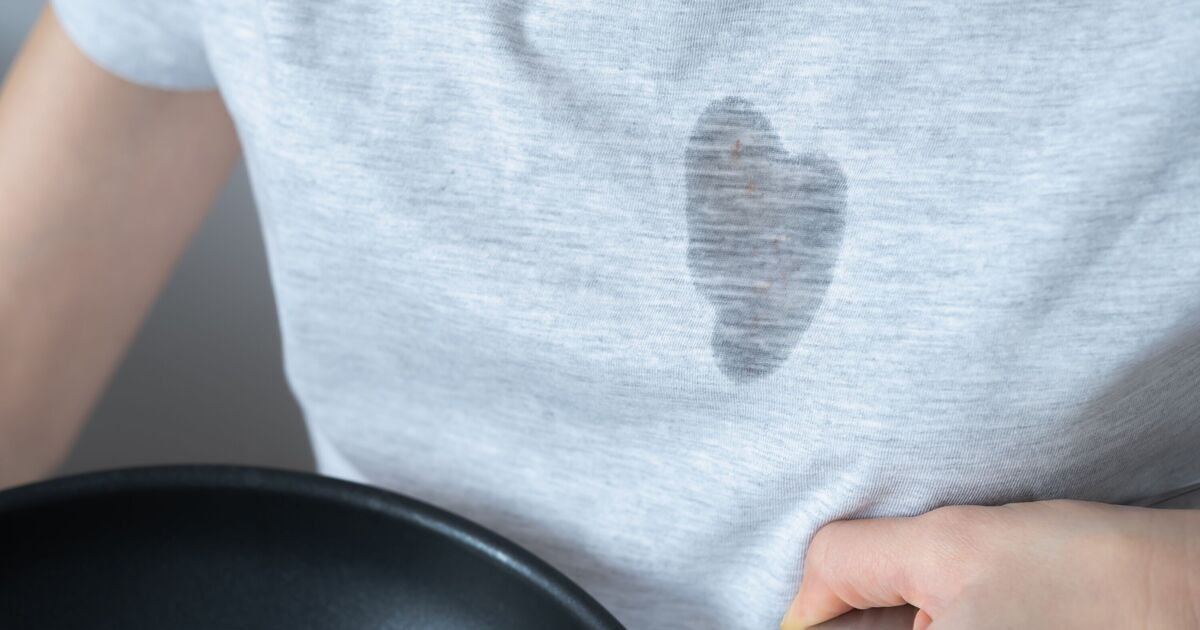
We have all been there: you are enjoying a delicious dinner or preparing a quick meal, and suddenly, a rogue splatter of oil lands right on your favorite shirt. It feels like a total disaster in the moment, especially because we know that grease and fabric are natural enemies. Unlike simple spills that might wash away with water, oil seems to fight back. It repels moisture, clings to fibers, and can leave a permanent, unsightly mark if you do not treat it correctly.
Before you toss that garment into the wash and hope for the best, it is important to understand why oil is so stubborn. As it sits on the fabric, it oxidizes, turning sticky and sinking deep into the weave of the cloth. Regular laundry detergent often struggles to penetrate this barrier, which is why your clothes might come out of the dryer looking exactly as they went in. Fortunately, you do not need harsh chemicals or a trip to the dry cleaners to fix the problem. With a few simple kitchen staples, you can save your wardrobe from the bin.
The First Golden Rule of Stain Management
The most common mistake people make is rushing to the sink. It is instinctive to want to rinse a stain with water, but with oil, this is exactly what you should avoid. Since oil and water do not mix, rinsing simply pushes the grease deeper into the fibers or causes it to spread across a wider area of the fabric.
Instead, your first step should always be to blot. Grab a dry paper towel or a clean, absorbent cloth and gently press it against the blemish. The goal here is to lift as much of the surface oil as possible. Remember to dab, never rub. Rubbing creates friction and pushes the grease deeper into the weave, making it much harder to remove later. Once you have lifted the excess liquid, you are ready for the real secret weapon.
The Power of Baking Soda
If you look in your pantry, you likely already have the solution: baking soda. This humble white powder is incredibly absorbent, acting like a magnet for moisture and oils. When you apply it to a fresh spot, it begins to work by pulling the grease out of the fabric and into the powder.
To get the best results, place a piece of baking paper or cardboard behind the stain to prevent it from transferring to the back of the shirt or trousers. Sprinkle a generous amount of baking soda directly over the affected area, ensuring it is completely covered. You will notice the powder starting to clump up—this is actually a good sign. It means the substance is successfully soaking up the oil. If it clumps very quickly, brush it off and add a fresh layer of powder.
Using Heat to Lift the Grease
While the baking soda is on the fabric, you can give it a little extra help by using a low-heat iron. Place a sheet of baking paper over the pile of baking soda to act as a protective barrier. Gently glide your iron over the paper for a few seconds. The heat helps to loosen the grease, making it easier for the baking soda to draw it out of the material.
Be careful not to leave the iron in one spot for too long to avoid damaging delicate fabrics. Once you finish, carefully lift the paper and brush away the baking soda. You will likely see the powder looking darker or clumpy, which confirms that the grease has been successfully extracted from your clothing.
A Final Wash for Freshness
After you have performed the baking soda treatment, your garment is ready for the washing machine. Since the bulk of the oil has been lifted, your regular laundry cycle will be much more effective at cleaning the fabric. Choose a wash cycle that is appropriate for the garment’s material and use your standard detergent.
Beyond just cleaning, the baking soda also acts as a natural deodorizer, ensuring that no lingering smells remain in the fabric. Once the cycle finishes, take a look at the area before tossing it into the dryer. If the spot is gone, you are all set. If a faint shadow remains, repeat the baking soda process one more time. By keeping these simple steps in mind, you can stop fearing those kitchen mishaps and keep your wardrobe looking fresh and clean for years to come.
Disclaimer: This content is auto-generated for informational purposes only.
Source: Read Original News