








Cricket has long occupied a peculiar position in the global gaming landscape—a billion-dollar sport that has remained a “blind spot” for developers looking to build a truly enduring digital franchise. While the world of gaming eagerly awaits the launch of Grand Theft Auto VI, a title defined by its ability to sustain a massive, multi-generational following, the cricketing world is left to look back with nostalgia at EA Sports Cricket 07. Nearly two decades later, that title remains the gold standard for many, highlighting a gaping void in the sports genre that newer, modern titles have yet to decisively fill.
The International Cricket Council (ICC) is finally moving to address this, initiating a formal tender process that has attracted industry heavyweights like Electronic Arts, Big Ant Studios, Krafton, and major Indian players like Reliance Jio and Dream Cricket. But for the developers tasked with capturing the essence of the sport, the challenge is not just technical—it is cultural.
The Search for a Global Franchise
The history of cricket in gaming is a graveyard of “one-off” successes. From the iconic Brian Lara Cricket series to the long-running Don Bradman and Ashes Cricket titles, the genre has seen quality iterations. Yet, none have achieved the ubiquity of EA Sports FC or NBA 2K.
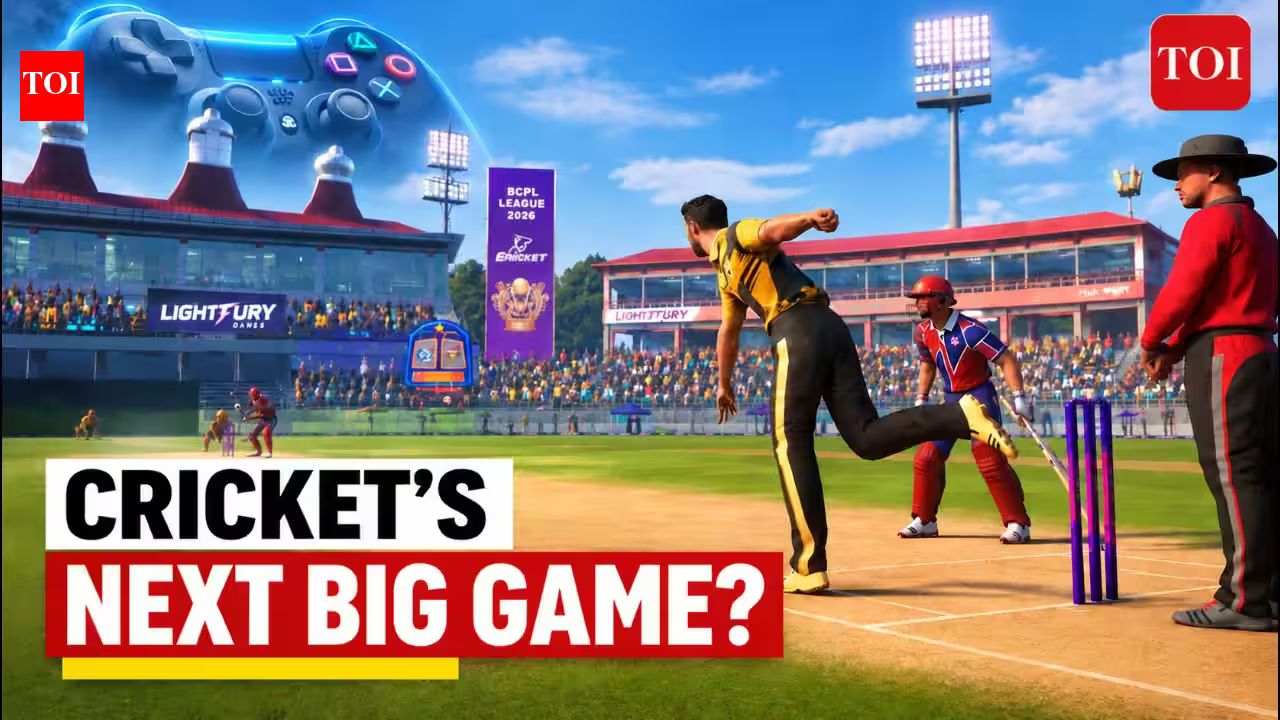
Karan Shroff, co-founder of the Bengaluru-based studio LightFury Games, believes the industry has struggled to bridge the gap between “casual” cricket titles and “AAA” global properties. With his team’s upcoming mobile-first title, eCricket, Shroff aims to do more than simply build a game; he intends to establish a long-term, high-fidelity platform that can compete with the world’s biggest gaming IPs.
“We want to build AAA IPs from India that go global,” Shroff says. “When you look at China, they have Tencent; the US has EA and Rockstar; France has Ubisoft. What does India have from a gaming company? Not too much. That’s something we want to change.”
Solving the Licensing and Authenticity Puzzle
For years, cricket games have been plagued by inconsistent licensing, often resulting in misspelled names and generic player models that shatter the immersion for die-hard fans. LightFury has moved to rectify this by securing licenses for over 600 cricketers through a partnership with Winners Alliance.
“Every player in our game is a real-world athlete,” Shroff explains. “It’s not just about likeness; it’s about their playstyle. You can’t bowl with an MS Dhoni or wicket-keep with a Hardik Pandya—if you try, you’ll see the consequences in the gameplay. If you take an all-rounder like Pandya, you should feel that leverage in the game mechanics. Authenticity is the foundation of a AAA experience.”
This commitment extends to the game’s Ultimate Squad mode, a feature designed to foster long-term player engagement. By allowing users to assemble dream teams of cricketers from across different eras and nations, and forcing them to earn their way to these superstars through progression and skill, LightFury hopes to build the kind of “live-service” economy that keeps players returning for years rather than weeks.
The Economic Engine of eCricket
Commercial sustainability is the backbone of the global titles Shroff admires. eCricket is adopting a freemium model, prioritizing in-app purchases (IAPs) over intrusive advertising. While the game will include ads, they are strictly relegated to reward-based opt-in systems.
“We want to thrive on IAPs,” says Shroff. “If you look at any of the global successes, they have a thriving economy within the game. We are very conscious of user experience, so you won’t see ads interrupting your gameplay.”
The strategy is backed by the sheer scale of the Indian gaming market, which current reports estimate at over 500 million gamers. However, turning that massive domestic audience into a global phenomenon requires the game to reach markets where cricket is still a niche, such as Japan or the United States. Shroff remains optimistic, arguing that in the modern digital age, the game can serve as the primary vehicle for introducing new audiences to the sport itself.
Backing from the Giants of the Sport
LightFury’s ambitious roadmap has already garnered significant attention, not least because of its star-studded list of investors. Legends of the game, including MS Dhoni, Rohit Sharma, Jasprit Bumrah, and Hardik Pandya, have backed the studio. While Shroff is quick to note that these athletes are not involved in daily development, their support provides a crucial stamp of validation.
“They don’t have much time, but they want to see it done right,” Shroff says. “We’ve had players ask to play-test builds and offer feedback. They want to see a product that reflects the game they love.”
A Vision for 2030
With over 300,000 early-access sign-ups already recorded, the hunger for a high-quality cricket experience is undeniable. For Shroff, the goal is clear: by 2030, he envisions eCricket not just as a game, but as a digital ecosystem that generates thousands of jobs, fosters a new generation of gaming influencers, and creates India’s first-ever billion-dollar gaming IP.
Skeptics remain, citing the graveyard of failed cricket titles that came before. But Shroff embraces the challenge. “These people are not wrong because we haven’t done it right yet,” he admits. “But we have all the ingredients. We’re going to work hard to make sure that cricket finally gets the global franchise it deserves. If we fail, we’ll fail big, but we will not aim small.”
As the cricket world waits for the ICC’s final decision on its digital rights, one thing is certain: the era of the “cricket gaming blind spot” is rapidly coming to an end. Whether eCricket or another challenger claims the throne, the race to build the sport’s definitive digital home has officially begun.
Disclaimer: This content is auto-generated for informational purposes only.
Source: Read Original News