









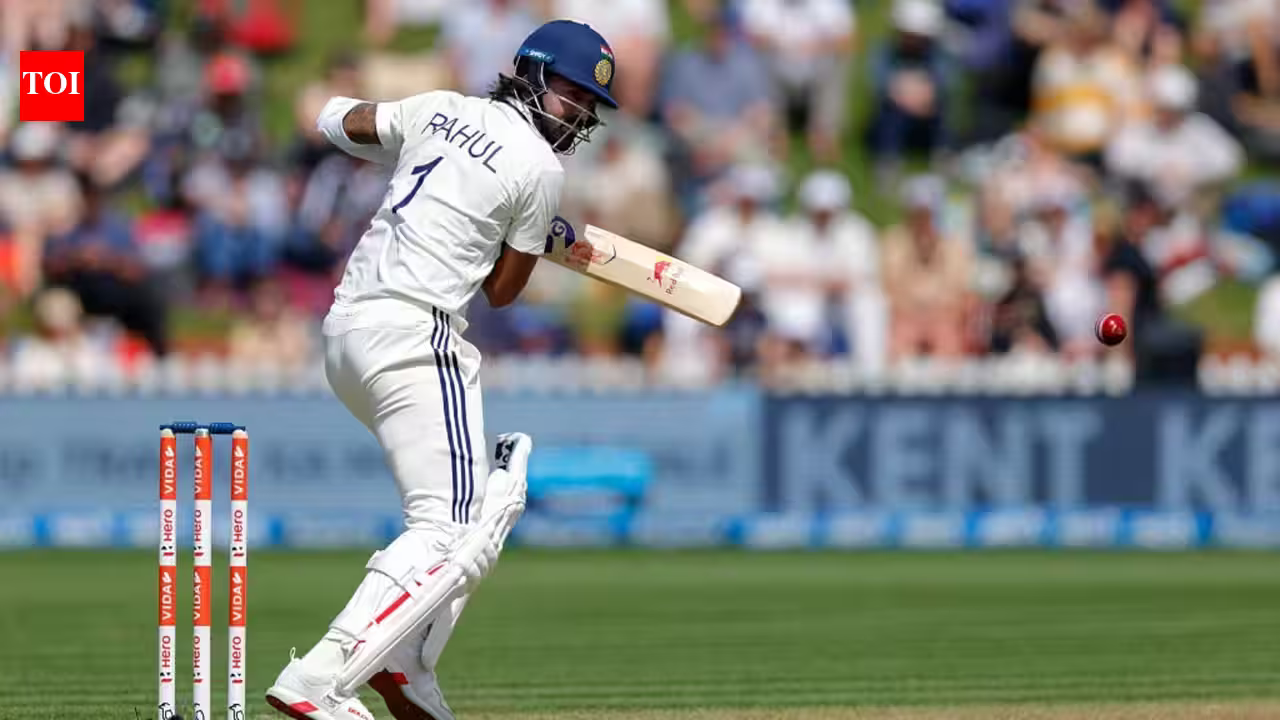
WELLINGTON – The ghosts of 1994 have finally been exorcised at the Basin Reserve. In a display of controlled aggression and tactical discipline, Yashasvi Jaiswal and KL Rahul dismantled a long-standing statistical anomaly, providing India with the kind of foundation that has been conspicuously absent on New Zealand soil for over three decades.
By the time the players retreated to the pavilion for stumps, the narrative of this Test match had shifted dramatically. What began as a rescue mission following New Zealand’s gritty recovery to 368 in their first innings evolved into a statement of intent from the Indian top order.
## Breaking the 32-Year Drought
For 32 years, the Basin Reserve and other New Zealand venues have served as graveyards for Indian opening partnerships. The last time an Indian opening pair put together a century stand in a Test match on Kiwi soil, the cricket world looked significantly different: it was March 1994, and the duo of Navjot Sidhu and Nayan Mongia were tasked with holding the fort in Hamilton.
That drought—a staggering 11,800-plus days of waiting—came to an end in emphatic fashion on Saturday. Jaiswal and Rahul navigated the notoriously unpredictable movement and bounce of the Wellington track with the poise of seasoned veterans. Their 130-run partnership did more than just steady the ship; it seized the momentum away from a New Zealand attack that had been buoyed by their own lower-order resilience earlier in the day.
## Jaiswal’s Flamboyance vs. Rahul’s Composure
The success of the partnership lay in the perfect marriage of contrasting styles. Yashasvi Jaiswal, playing with the fearless exuberance that has defined his meteoric rise, took the role of the aggressor. He didn’t just survive the early spells of seam bowling; he counter-punched. Striking 16 boundaries in his 85-run knock, Jaiswal forced the Kiwi bowlers to alter their lengths and deviate from their plans. His 89-ball masterclass was a clinic in punishing anything loose, effectively forcing New Zealand captain Tom Latham to rotate his bowlers far earlier than he would have preferred.
At the other end, KL Rahul offered a masterclass in patience. While Jaiswal was busy finding the fence, Rahul occupied the crease, rotating the strike and ensuring the scoreboard kept ticking over without the need for unnecessary risks. His ability to anchor the innings proved vital, as he remained unbeaten at the close of play, having navigated the pressure of a late-day spell to bring up a well-deserved half-century.
## New Zealand’s Resilience Recalled
The platform set by the openers was all the more critical given the difficulty India faced earlier in the day. New Zealand’s first-innings total of 368 was a testament to their own fighting spirit. Reduced to a precarious 70/5 early in the Test, the Black Caps’ middle and lower orders successfully clawed their way back, grinding out runs and exhausting the Indian attack.
By the time India took the crease, the pitch had begun to show signs of wear, with the Basin Reserve offering the trademark seam movement that has historically made batting an arduous task for visiting teams. India’s response, therefore, was not merely a matter of runs; it was a matter of temperament.
## The Final Hours and Looking Ahead
The breakthrough eventually arrived for the hosts, but it was anything but straightforward. Yashasvi Jaiswal’s high-octane innings was brought to a close by Matt Henry, but not before a dramatic review. A caught-behind appeal, initially turned down, was sent upstairs by Tom Latham. The technology confirmed the slightest of edges, ending Jaiswal’s stay and providing a momentary morale boost for the fielding side.
Yet, there was to be no collapse. Devdutt Padikkal, stepping into the breach following Jaiswal’s departure, showcased the same composure that defined the opening stand. He successfully negotiated the remaining overs of the day alongside a locked-in Rahul, denying New Zealand any further inroads before the bails were finally pulled.
As both teams look toward the second day, the momentum sits firmly with India. The surface at the Basin Reserve remains testing, but by erasing the 32-year “century-stand” curse, India has signaled that they are prepared to weather the storm. The onus now shifts to Rahul and Padikkal to build on this base and bridge the remaining gap in New Zealand’s first-innings total.
For the home side, the challenge is clear: they must find a way to penetrate a resilient Indian batting lineup that has, for the first time in a generation, mastered the art of the opening stand in Wellington. If the opening day is any indication, this Test is shaping up to be a tactical chess match of the highest order, where every run is earned and every partnership feels like a victory.
Disclaimer: This content is auto-generated for informational purposes only.
Source: Read Original News