








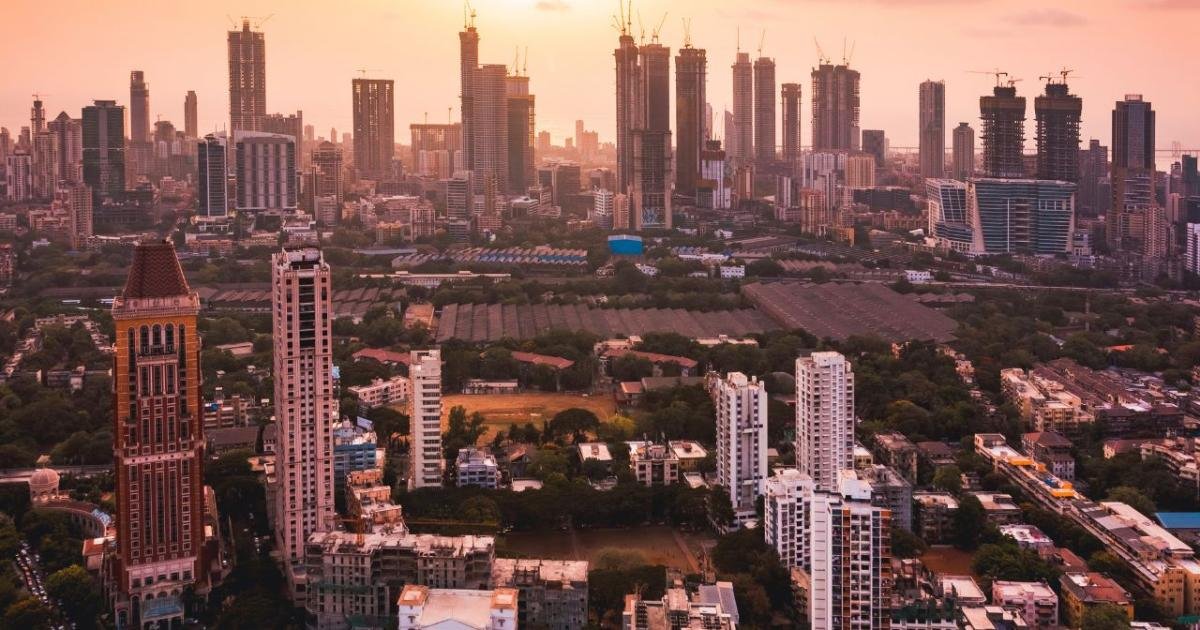
India’s Infrastructure Revolution: Driving a Decade of Economic Prosperity
India is undergoing a profound structural metamorphosis, fueled by a relentless surge in infrastructure development that is reshaping the nation’s economic landscape. Over the past ten years, the country has doubled its operational airports to approximately 160, while massive road-building projects—such as the new coastal arteries in Mumbai—are drastically slashing commute times and logistical bottlenecks. This push for connectivity extends to rail, with the ambitious 500km high-speed corridor connecting Mumbai and Ahmedabad slated for completion by 2029, setting the stage for seven additional high-speed routes already in the planning phase.
These capital-intensive projects are fundamental pillars of India’s steady economic growth, which has maintained an average GDP expansion of around 7% over the last decade. Unlike short-lived economic spurts, experts identify this as deeply embedded structural growth.
The Digital Backbone
Beyond steel and concrete, India’s economic vitality is underpinned by a groundbreaking digital infrastructure. By implementing a unique national digital ID, the government has integrated the entire population—from urban centers to the most remote rural villages—into the formal economy. This digital framework paved the way for a seamless, cost-free electronic payment ecosystem accessible to anyone with a mobile phone.
This leap in technology has empowered a young, tech-savvy workforce to reinvent entrepreneurship. The “convenience economy” is flourishing; whether it is on-demand grocery delivery or remote printing services, digital platforms are meeting consumer needs with unprecedented speed. This, combined with a vast pool of flexible labor in the gig economy, has created a thriving services-oriented ecosystem that permeates daily life.
Importantly, this progress has not left rural regions behind. With smartphone penetration reaching 85.5% of households, citizens in smaller towns and remote areas are now active participants in the modern economy. A significant indicator of this shift is the growing participation of rural investors in the stock market. Where wealth was once traditionally stored in gold or land, millions of small-town residents are now utilizing online platforms to engage with financial markets. This collective shift has led to massive domestic inflows, providing a resilient cushion for the national economy even during periods of global market volatility.
Manufacturing Ambitions
While India has historically been driven by its services sector, the government is aggressively pivoting toward a more balanced economic model. With manufacturing currently accounting for roughly 13% to 14% of the economy, the state is targeting an ambitious increase to 25% within the next ten years.
To achieve this, New Delhi is providing robust incentives across critical sectors, including semiconductor manufacturing, electric vehicle supply chains, defense production, and clean energy. By positioning itself as a structural growth story—with expectations of 10% to 11% nominal GDP growth in the near term—India is effectively transforming its industrial base. Supported by broad-based earnings momentum and a resilient domestic market, India’s strategic focus on both digital innovation and industrial scale suggests a compelling trajectory for its long-term economic outlook.
Disclaimer: This content is auto-generated for informational purposes only.
Source: Read Original News