







Creating a Haven for Your Garden Robins
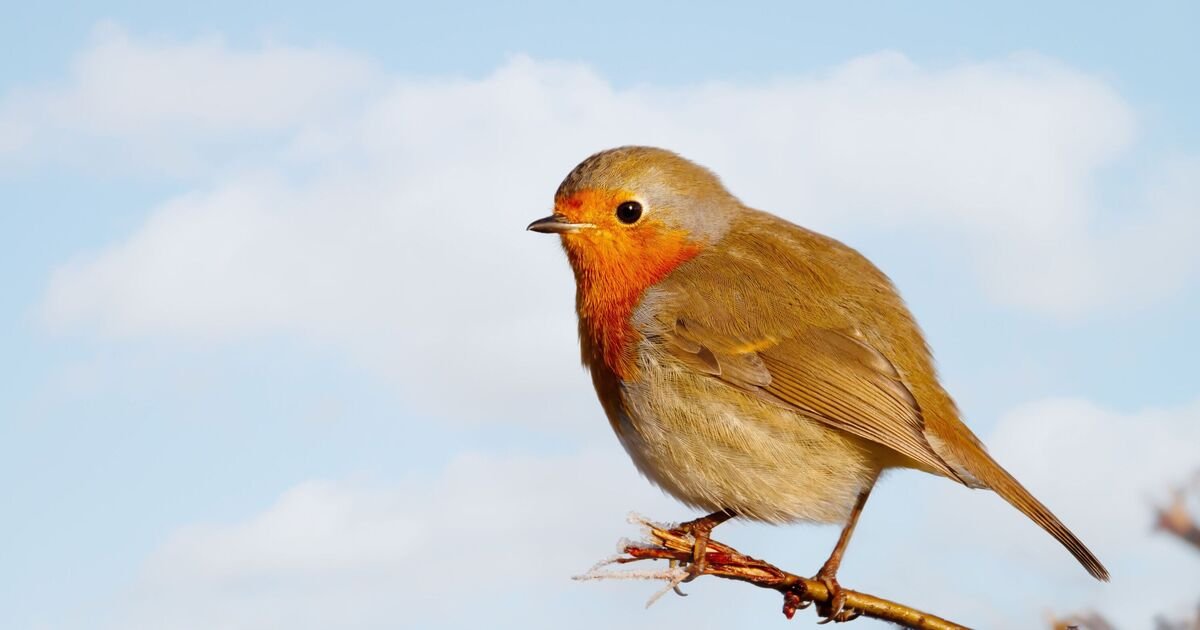
There is something inherently charming about spotting a robin in the garden. With their distinctive burnt-orange breasts and curious personalities, they are the quintessential companions of the British landscape. While many of us associate these birds with festive cards and chilly winter mornings, they are actually year-round residents that work hard to keep our outdoor spaces lively. As November settles in and the temperatures drop, these feathered friends face a tougher challenge in finding sustenance. By making a few simple adjustments to how you manage your garden, you can turn your backyard into a permanent residence for these delightful visitors.
Understanding the Robin Diet
To welcome more robins, it helps to understand their culinary preferences. Unlike some garden birds that are happy to feast on standard mixed seeds, robins are insectivores at heart. During the warmer months, they rely on a steady supply of earthworms, beetles, and larvae. As the frost sets in, this natural food supply diminishes, making it difficult for them to maintain their energy levels.
To bridge this gap, focus on providing high-fat, high-energy fuel. Suet balls are a fantastic resource during the cooler months, as they provide the calories necessary for the birds to survive cold nights. You can also offer fruit; sliced apples or pears are excellent sources of essential vitamins that support their eye health and feather quality. If you want to go the extra mile, try rehydrating dried mealworms in a bit of warm water. This gives the birds a much-needed boost of moisture alongside their protein, keeping them healthy and hydrated throughout the autumn and winter.
The Art of Ground Feeding
One of the most common mistakes people make when trying to attract robins is assuming they want to use traditional hanging feeders. If you look closely at a robin, you will notice their physiology is built for maneuvering on the ground or perching on low, stable surfaces. They are not acrobats like the blue tit or the goldfinch, which can cling to swaying tubes of seeds.
If you want to witness a robin frequenting your garden, skip the hanging feeders. Instead, embrace the concept of ground feeding. You can scatter food directly onto the soil or use a very low-profile tray. This mimics their natural foraging behavior, making them feel secure and confident as they search for a meal. Keeping the food low helps them keep an eye on their surroundings, which is exactly how they prefer to dine.
Ditching the Traditional Table
You might be wondering about those classic wooden bird tables that have stood in gardens for decades. While they were once a staple of bird feeding, recent guidance suggests it is time to move on from flat, wooden bird tables. These structures can easily accumulate debris and moisture, which may inadvertently lead to the spread of illness among local bird populations.
Instead of a flat table, consider using portable, easy-to-clean feeding trays. These are far more hygienic and allow you to rotate your feeding spots. By keeping the area clean, you protect the health of the very birds you are trying to help. A quick wipe-down with a bird-safe cleaner every few days ensures your garden remains a sanctuary rather than a hazard.
Making Your Garden a Year-Round Sanctuary
Creating a space that robins love is about more than just the food you put out; it is about the entire environment. Robins are territorial, and they appreciate a garden that offers plenty of shelter and natural cover. If you have hedges or shrubs, try to leave them untrimmed as the autumn progresses. This provides vital protection from the wind and predators.
By combining these simple, practical habits—offering fat-rich suet, providing soaked mealworms, and utilizing low-level, clean feeding trays—you will see a change in your garden activity. You do not need a vast plot of land to make a difference. Even the smallest patio or courtyard can become a hotspot for bird activity if you provide the right menu served in the right way. As the days grow shorter, the simple pleasure of watching a robin forage just a few feet away is one of the most rewarding parts of maintaining a home garden.
Disclaimer: This content is auto-generated for informational purposes only.
Source: Read Original News