








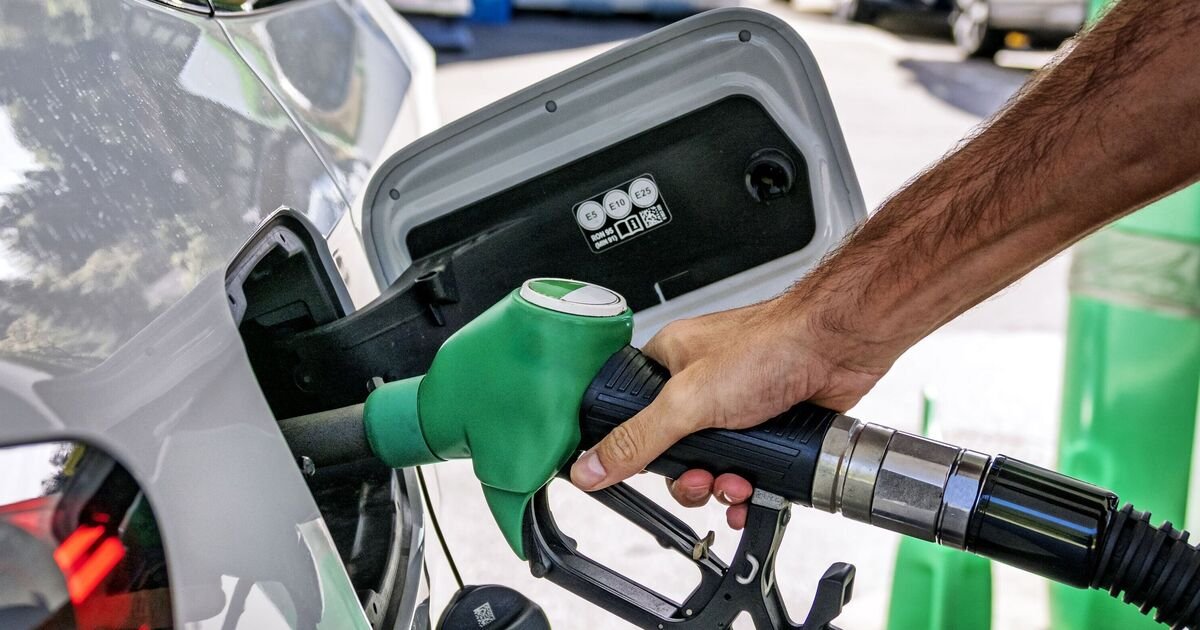
Managing your household budget can sometimes feel like a game of Tetris, where every piece needs to fit perfectly to keep things running smoothly. For those who rely on company vehicles for work, small shifts in tax guidance can actually make a measurable difference in your monthly pocket money. With HMRC announcing a fresh set of advisory fuel rates starting December 1, it is the perfect time to review your records and ensure you are getting back what you are owed.
Understanding the Shift in Mileage Pay
The world of company car reimbursement might sound like dry administrative business, but it is effectively a way to keep your personal wallet from shrinking while you travel for your job. HMRC periodically recalculates these figures to reflect the reality of what we are paying at the pump. Since average fuel prices have climbed over the last few months, the government has adjusted the per-mile rates upward to keep pace with these costs.
Whether you drive a zippy small car or a larger model, these changes mean you can likely claim a higher amount for every mile driven on company business. It is a rare piece of news that actually works in the favor of the driver, so it pays to be organized with your logs. If you have been letting your mileage tracking slide, now is the moment to catch up and ensure your paperwork matches these new, more generous figures.
How Your Engine Size Changes the Math
Not all cars consume fuel at the same rate, which is why these reimbursement figures are tiered by engine size. If you drive a petrol engine under 1,400cc, your rate is moving to 16p per mile. If you are in the mid-range category between 1,401cc and 2,000cc, you will see your reimbursement rise to 19p per mile. For those with powerful engines exceeding 2,000cc, the jump is even more noticeable, moving up to 29p per mile.
Diesel drivers see a similar trend. If your vehicle is 1,600cc or smaller, you can now claim 16p per mile. Those operating larger diesel engines, specifically those over 2,000cc, are receiving a substantial boost to 25p per mile. While LPG vehicles are remaining steady with no changes this time, the vast majority of the fleet is seeing an increase that acknowledges the reality of higher pump prices.
Small Habits for Better Financial Organization
Beyond just checking the new rates, these adjustments serve as a great reminder to sharpen your daily habits regarding car expenses. Keeping a clean, updated log of your business mileage is one of the most effective ways to simplify tax time. Instead of relying on memory or scribbled notes, consider using a simple smartphone app or a dedicated notebook kept in your glove box. Recording the date, the purpose of the trip, and the total mileage at the start of every journey ensures that when you go to file your claims, you are not leaving any money on the table.
Beyond the math, maintaining your vehicle plays a role in how far your fuel goes. Ensuring your tires are properly inflated and avoiding unnecessary idling are classic tips that still hold true today. By being mindful of how you operate your vehicle, you extend the benefits of these new, higher reimbursement rates even further.
Staying Informed and Prepared
Keeping up with these periodic updates from HMRC might seem like an extra chore, but it is a small task that reaps rewards. Because these rates are reviewed every three months, setting a quick reminder on your calendar to check for updates in March, June, September, and December is a smart way to stay ahead. Being proactive means you are never surprised by changes and you can always adjust your expense claims quickly and accurately.
Life moves quickly, and our daily routines are often filled with constant motion. Whether you are driving for client meetings, traveling between locations, or simply managing the commute, knowing exactly what your time and fuel are worth is a fundamental part of staying in control of your personal finances. With these new figures taking effect, take a few minutes this week to update your records, confirm your engine details, and make sure your next expense claim reflects the latest guidance. It is a simple step, but it is one that keeps your working life running as efficiently as possible.
Disclaimer: This content is auto-generated for informational purposes only.
Source: Read Original News