






SCO Forum: Pakistan Minister Invokes Shared History at Purana Qila
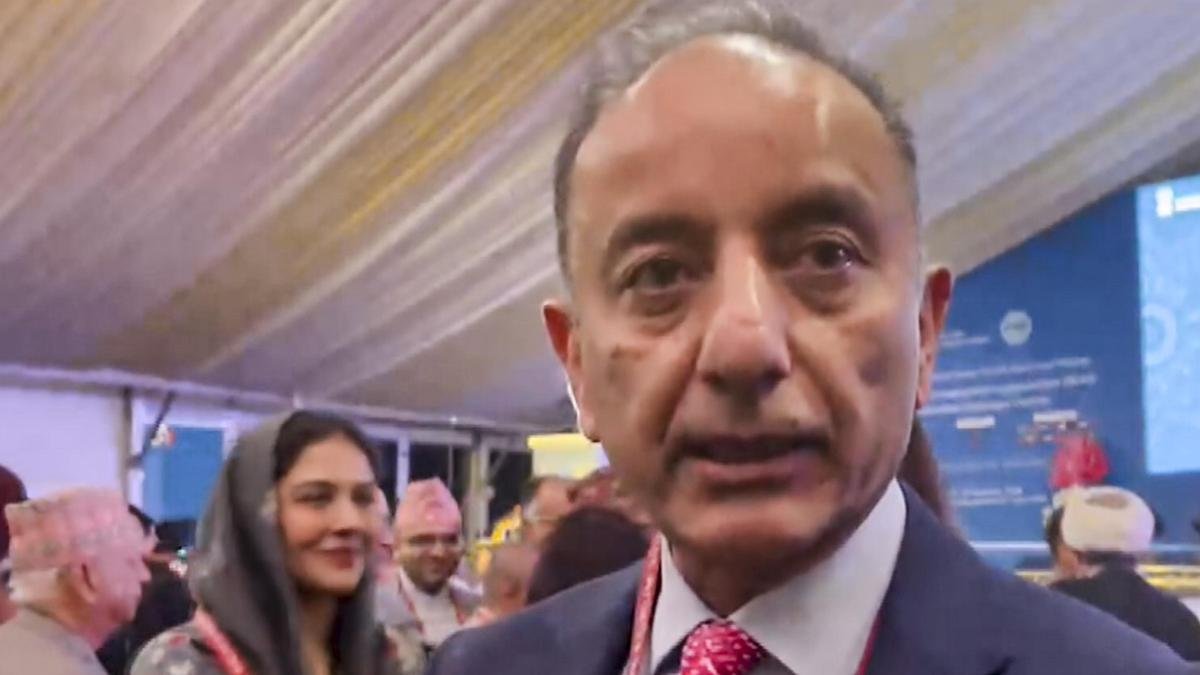
The historic Purana Qila in New Delhi served as a poignant backdrop for a diplomatic gathering this week, as India hosted the inaugural Shanghai Cooperation Organisation (SCO) Civilisational Dialogue Forum. Among the international delegates present was Pakistan’s Minister, Musadik Malik, who arrived in India amidst a period of strained bilateral relations to participate in the three-day multilateral summit.
The event, inaugurated by Prime Minister Narendra Modi on November 20, 2026, aims to bridge gaps between member nations through the lens of shared heritage and cultural exchange.
A Historic Convergence
Addressing the forum at the 16th-century fortress, Mr. Malik drew parallels between the site’s complex history and the nature of international diplomacy. The Purana Qila, which stands on the ancient site of Indraprastha, features architectural layers contributed by both Mughal Emperor Humayun and his rival, Sher Shah Suri.
“This fort is a story of multiple layers,” Mr. Malik remarked, highlighting how two distinct rulers contributed to the same monument. “One wall, two rivals, two rulers, and one fort—this represents the wisdom of embracing diversity.”
His comments were viewed by observers as a subtle nod to the potential for dialogue despite historical tensions. The Minister’s office later shared visuals of the remarks on social media, describing the fort as a “story” in both English and Urdu.
Civilisational Bonds as a Diplomatic Bridge
The forum, organised by India’s Ministry of Culture and the Ministry of External Affairs, seeks to leverage antiquity to foster contemporary cooperation. Union Culture Minister Gajendra Singh Shekhawat, who chaired the thematic session on cultural expressions, emphasized that shared heritage serves as a “strong bridge” connecting SCO nations.
“Our civilisations are living traditions,” Mr. Shekhawat stated. “This knowledge should be harnessed to advance collective efforts through dialogue, institutional partnerships, and mutual understanding.”
As part of the immersive experience, delegates toured the ‘Astitva — The Essence of our Existence’ exhibition. The display features archaeological findings unearthed at the fort, showcasing Delhi’s history from 1,200 BC to 1200 CE. These remnants, including architectural fragments and ancient artefacts, are intended to show the deep, layered civilisational wealth that India offers as a host.
Multilateral Context Amid Bilateral Chill
The presence of the Pakistani Minister in New Delhi marks the first such visit since the 2025 Pahalgam attack, which significantly curtailed diplomatic engagements between the two neighbors. While expectations for a breakthrough in bilateral ties remain cautious, Mr. Malik’s participation is being viewed strictly through a multilateral lens.
When questioned by the media regarding the potential impact of the forum on India-Pakistan relations, Mr. Malik maintained that his visit was focused on the “multilateral context” of the SCO platform. He championed the concept of tehzeeb ki guftagu (dialogue of civilisations), arguing that wisdom lies in the free flow of ideas between distinct identities.
The three-day summit continues to facilitate discussions on cultural preservation and institutional collaboration, with delegates scheduled to visit various cultural complexes across the capital. By grounding the dialogue in the shared histories of Central and South Asia, the forum hopes to establish a lasting framework for trust, even as political challenges persist in the background.
Disclaimer: This content is auto-generated for informational purposes only.
Source: Read Original News