








Meghalaya’s Rail Connectivity Dream Hits Roadblock Amid Stalled Project Negotiations
Shillong: The dream of connecting Shillong to the national railway grid remains in a state of suspended animation, as persistent public opposition and concerns over demographic security threaten to delay the project by decades. Despite being one of the few state capitals in India without rail access, the eastern region of Meghalaya faces a unique deadlock that has left the state government contemplating the return of central funds.
A Project Caught in Limbo
The ambitious railway extension into the Khasi-Jaintia Hills has been stalled for years, primarily due to intense resistance from local organizations and stakeholders. At the heart of this opposition is the fear of large-scale illegal immigration. Critics of the project argue that improved railway connectivity could facilitate an unchecked influx of outsiders, thereby diluting the indigenous population’s character. These groups have consistently demanded robust safeguards, including the implementation of the Inner Line Permit (ILP) and other mechanisms to track and regulate entry into the state.
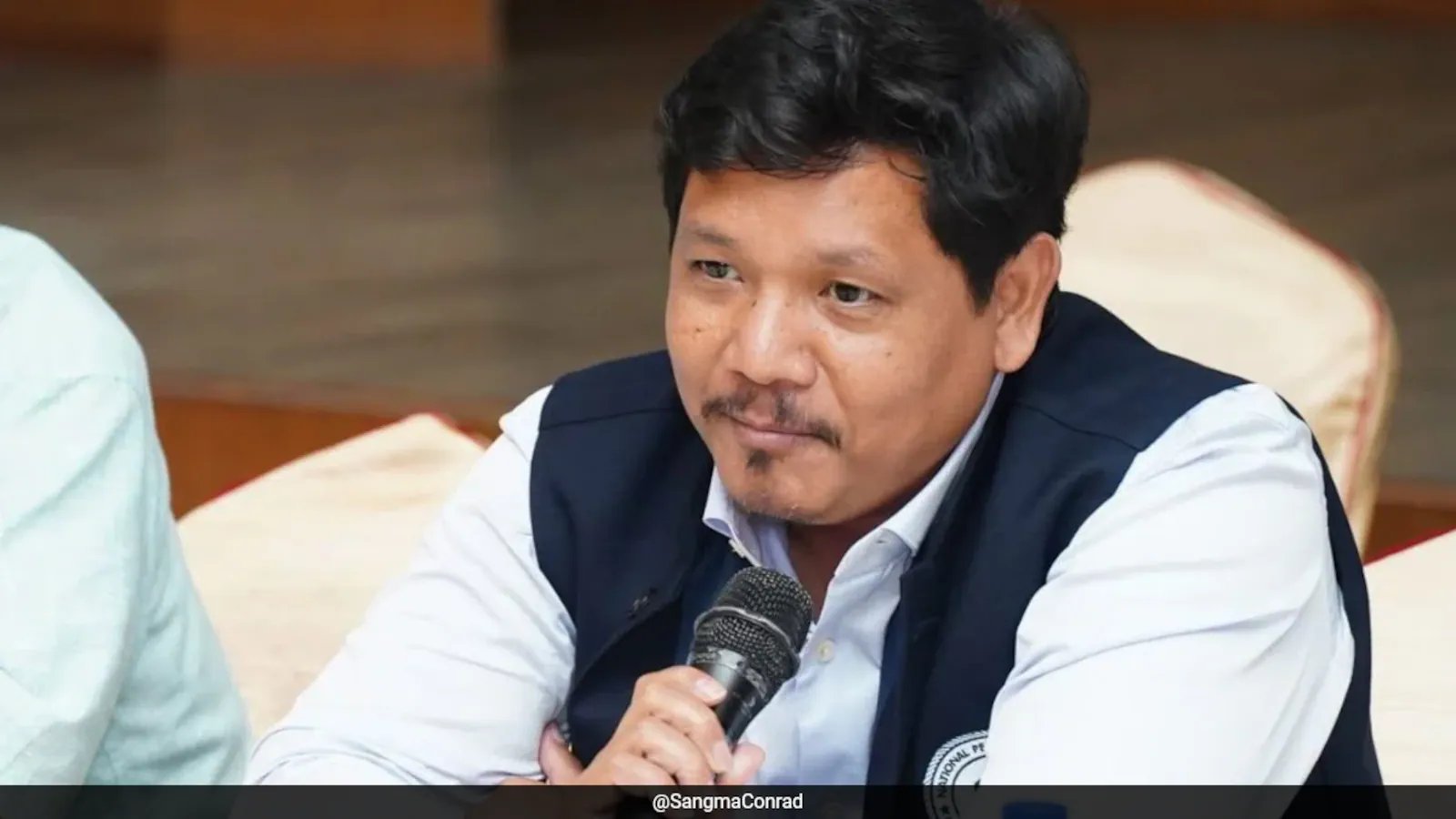
Meghalaya Chief Minister Conrad Sangma recently acknowledged the gravity of the situation, noting that the Union government is now seeking the return of the unutilised funds allocated for the project.
The Cost of Inaction
The Chief Minister warned that returning the money would have long-term consequences, effectively pushing the project back by 10 to 20 years.
“When money goes back, then I think the project will be pushed back by another decade or two for us to bring it back again,” Sangma stated. He emphasized that the state government is currently engaged in delicate negotiations with New Delhi. While the state is prepared to return the principal amount, it is actively lobbying for a waiver on the accrued interest to avoid an unnecessary financial burden on the state exchequer.
Balancing Development and Sentiment
Despite the roadblocks, the state government remains firm in its belief that railway connectivity is essential for the economic well-being of the average citizen. Sangma pointed out that the current reliance on road transport for the movement of goods leads to inflated costs for essential commodities across the state. A functional rail network would not only lower these prices but also ensure safer, more efficient logistics.
“While we know that a train service is for the benefit of the people, the current opposition is directly affecting the commodity prices in the market,” the Chief Minister observed.
The Path Forward
Addressing the complex gridlock, the Chief Minister reiterated his administration’s commitment to a consultative approach. He assured the public that the government has no intention of “bulldozing” the project through or ignoring the valid concerns of the local populace.
“My stand is very clear: we will engage, we will talk, and we will try to address concerns,” Sangma stated. He emphasized that any future progress would involve comprehensive discussions with the Ministry of Home Affairs regarding constitutional safeguards and protection mechanisms.
For now, the government is adopting a cautious, step-by-step strategy. As the dialogue between Shillong and the Centre continues, the prospect of a train reaching the hill capital remains uncertain, caught in a delicate balance between the promise of modern development and the deep-seated anxieties of its people.
Disclaimer: This content is auto-generated for informational purposes only.
Source: Read Original News