







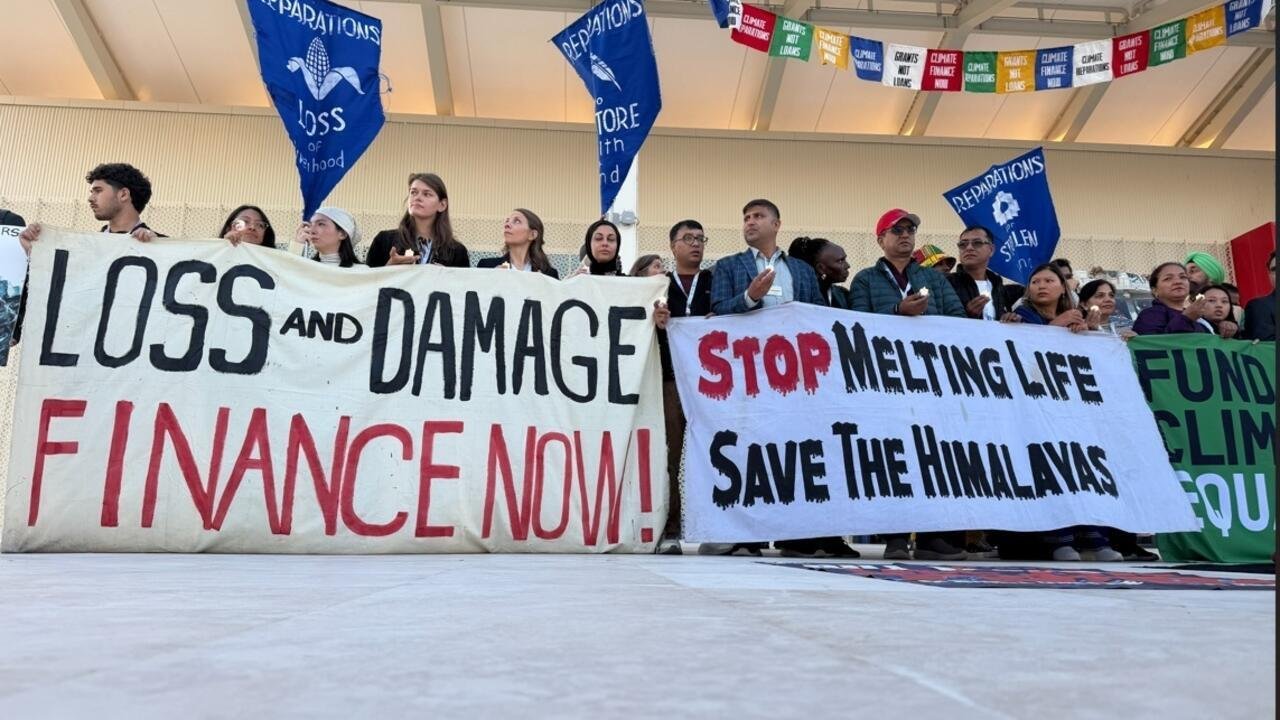
Nepal is poised to become the first nation to receive support from the UN’s Loss and Damage Fund, a milestone in international climate policy. However, as global leaders gather for the COP31 summit in Antalya, Turkey, the historic provision has been overshadowed by criticism over the fund’s limited capacity and the sluggishness of its bureaucratic machinery.
Following devastating floods in August that resulted from a catastrophic ice and rock avalanche in the Himalayas, the Nepalese government confirmed that the fund’s board has provisionally set aside $21.6 million for recovery. While activists and officials acknowledge the significance of the first-ever allocation under the UN Framework Convention on Climate Change (UNFCCC), the figure covers less than 1 percent of the $2.7 billion in economic losses estimated by disaster management authorities.
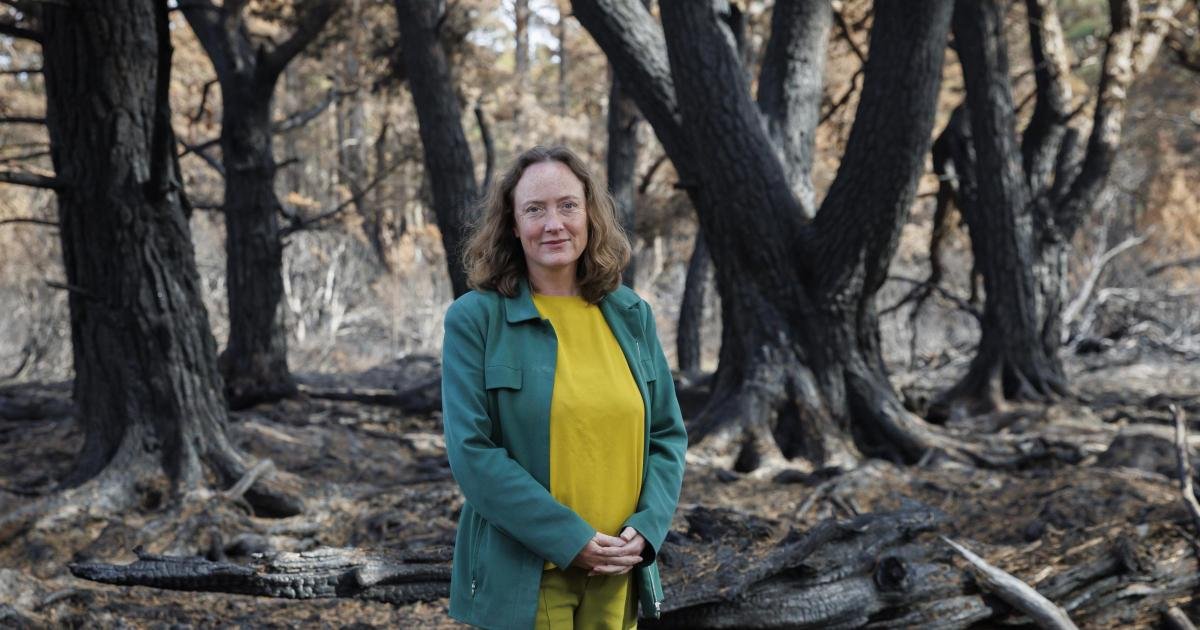
The scale of the disaster, which claimed over 1,400 lives and left thousands missing, has left survivors like 29-year-old Dikshya Suibedi in a state of limbo. Suibedi, whose home and ancestral land in the Nuwakot district were reclaimed by the rising waters of the Trishuli River, is now living in a rented flat in Kathmandu.
“The land that we used to hold so many memories of is now covered with sandy soil,” Suibedi told reporters at the Antalya summit. Her experience reflects a wider reality for the thousands of families displaced across the Rasuwa, Dhading, and Chitwan districts.
For many observers, the primary concern is not just the insufficient sum, but the “sticky” administrative red tape that continues to delay the transfer of funds. Despite the disaster occurring nearly three months ago, the money remains inaccessible to the victims. Nepal must navigate the rigorous requirements of the World Bank, which acts as the interim trustee for the fund, before a single cent is released.
“Climate disasters do not wait for board meetings, and neither should climate finance,” said Amos Wemanya, senior climate adviser at the think tank Power Shift Africa. Wemanya emphasized that the current system is failing to meet the urgent needs of those who lose their homes and livelihoods overnight. He argued that to be effective, international climate finance must be “adequate, accessible, and predictable,” and, most importantly, delivered at the speed of the crisis.
The challenge is exacerbated by a staggering imbalance between supply and demand. Between December 2025 and July 2026, developing nations filed 176 requests for assistance totaling more than $2.8 billion. In contrast, developed countries have pledged only $822 million to the fund to date.
Paul Chukwuma of the Loss and Damage Youth Coalition noted that while the establishment of the fund represents a symbolic victory for climate justice, it is currently failing the practical test of disaster recovery. “When you put $21 million on a scale of what is needed for the entire restoration process, then we see that we are far from where we need to be,” he stated.
As the negotiations at COP31 continue, the case of Nepal serves as a stark reminder of the widening gap between the promises of the international community and the realities on the ground. For survivors like Suibedi, the wait for tangible support continues, fueling demands for higher-emitting nations to scale up contributions and simplify the mechanisms required to deliver aid to the world’s most vulnerable populations.
Disclaimer: This content is auto-generated for informational purposes only.
Source: Read Original News