







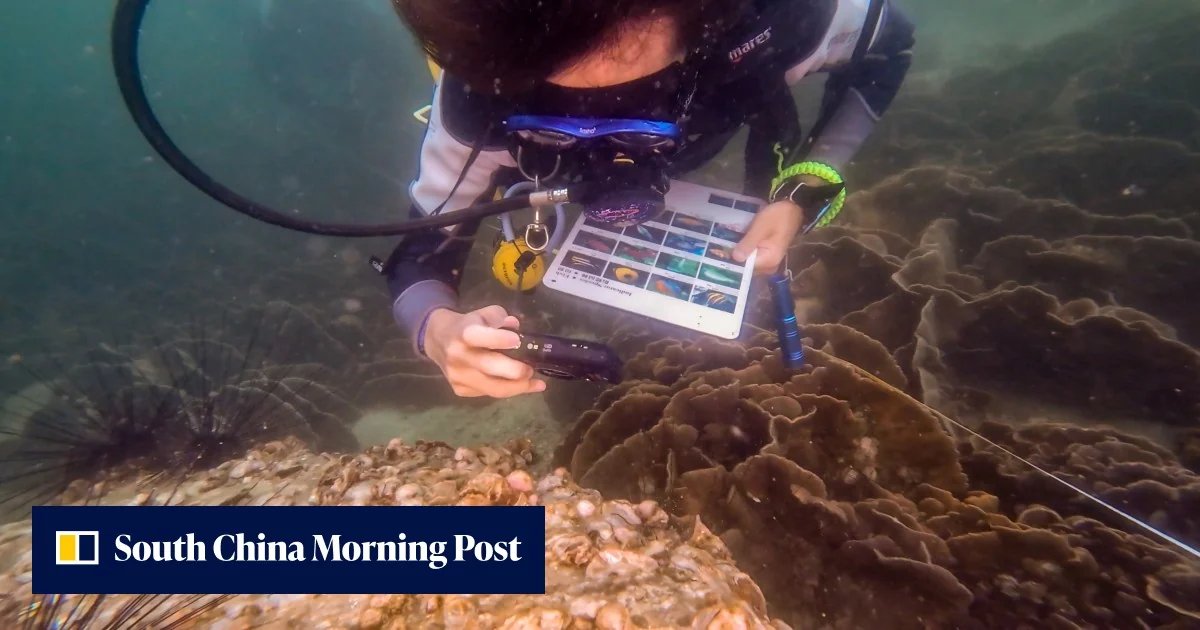
Hong Kong’s marine environment has shown signs of stress this year, as authorities reported instances of “minor coral bleaching” across several of the city’s key ecological sites. While the occurrences have not reached catastrophic levels, the data has prompted marine biologists and conservationists to issue urgent calls for systemic measures to fortify local habitats against the intensifying effects of extreme climate change.
The Agriculture, Fisheries and Conservation Department (AFCD) confirmed that localized bleaching was detected during routine monitoring of coral communities. Bleaching occurs when corals, stressed by rising water temperatures or shifts in environmental conditions, expel the symbiotic algae living in their tissues. This process leaves the coral pale and significantly more susceptible to disease and mortality. Although corals can recover if temperatures stabilize, prolonged exposure to heatwaves—a growing trend in the South China Sea—poses a grave threat to the longevity of these underwater ecosystems.
“While we are currently observing minor bleaching, we cannot afford to be complacent,” said Dr. Elena Chen, a marine ecologist specializing in coastal resilience. “Coral reefs in Hong Kong serve as vital nurseries for local fish populations and provide a natural buffer against coastal erosion. Even minor, recurring stress events can weaken the overall structure of these reefs, making them less capable of supporting the biodiversity they were designed to harbor.”
Local conservation groups point out that the rising baseline of water temperatures is exacerbated by seasonal marine heatwaves. In recent years, Hong Kong has experienced record-breaking summer temperatures, leading to warmer surface waters that do not circulate as effectively as they once did. This thermal stratification inhibits the natural cooling of reef ecosystems, pushing many coral species toward their upper physiological limits.
Experts are now urging the government to move beyond passive monitoring toward active habitat protection. Proposed measures include the expansion of Marine Protected Areas (MPAs) to reduce secondary human stressors, such as pollution from runoff and physical damage from recreational boating. By limiting these disturbances, conservationists argue that corals can channel more of their energy toward thermal resilience rather than recovery from human-induced degradation.
Furthermore, there is a push to integrate “blue carbon” strategies into the city’s climate policy. By restoring and protecting seagrass beds and mangrove forests alongside coral reefs, authorities could create more robust marine habitats that are better equipped to withstand environmental fluctuations. These habitats not only act as carbon sinks but also help mitigate the impact of ocean acidification, which often works in tandem with heat stress to dissolve the calcium carbonate skeletons of corals.
The economic and social implications of coral degradation are equally significant. Hong Kong’s marine biodiversity is a cornerstone of the city’s tourism and fishing industries. The collapse of these reefs would not only result in a loss of natural beauty but would also diminish the productivity of local fisheries, which rely on healthy reef systems for spawning and development.
In response to the current findings, the AFCD has reiterated its commitment to ongoing site assessments and public education campaigns aimed at reducing human impact on sensitive marine zones. However, critics argue that the current pace of conservation efforts is being outstripped by the acceleration of climate change. As global ocean temperatures continue to climb, the window for effective intervention is narrowing.
The situation serves as a stark reminder that even a bustling, concrete-dominated urban center like Hong Kong is not insulated from the broader climate crisis. As the government evaluates the data from this year’s monitoring, the consensus among the scientific community is clear: immediate, evidence-based policy shifts are required to ensure that the city’s underwater heritage survives for future generations. Moving forward, the focus must shift from merely tracking the decline to actively engineering a resilient future for Hong Kong’s coastal waters.
Disclaimer: This content is auto-generated for informational purposes only.
Source: Read Original News