









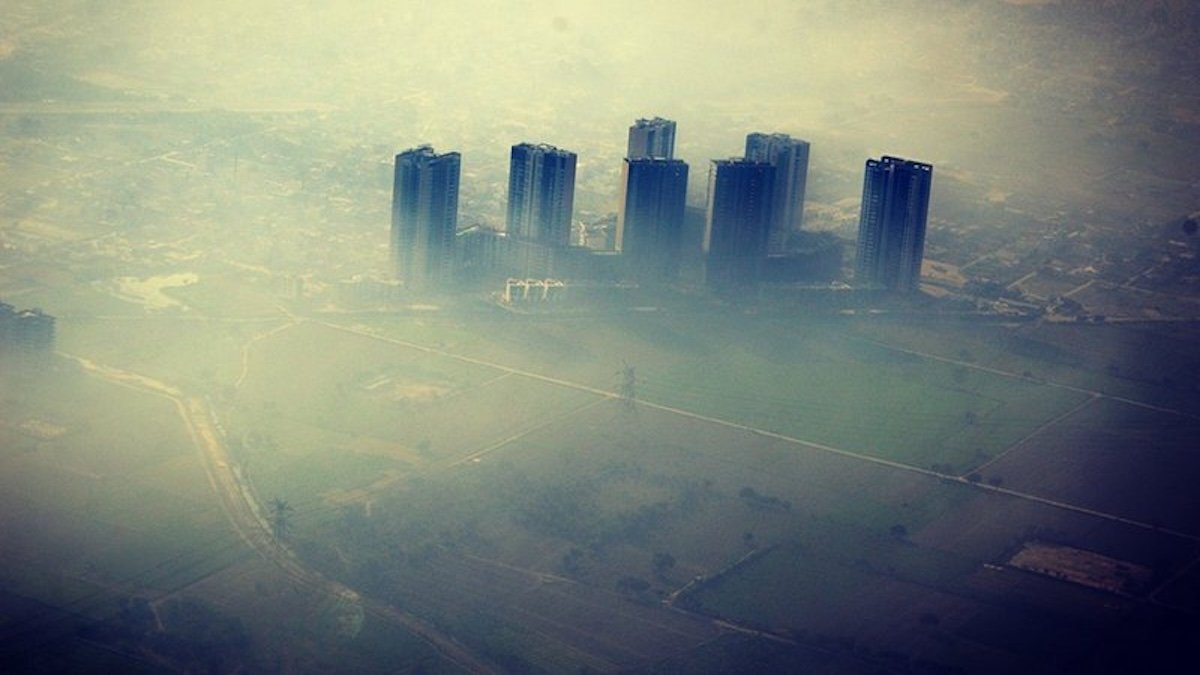
Environmental degradation across the Global South has evolved into a complex web of crises, challenging the survival of both natural ecosystems and the human populations that rely on them. While these regions are frequently grouped under the umbrella of “global environmental change,” the underlying realities are far from uniform. From the densely packed metropolitan centers of South Asia to the disappearing coastlines of the Pacific and the burning heart of the Amazon, the manifestations of ecological distress vary drastically, rendering any attempt to rank these crises by disaster frequency both simplistic and misleading.
True vulnerability is not determined by the number of storms or the scale of land lost, but by a volatile interaction of factors: the intensity of the physical hazard, the extent of pre-existing ecological damage, the density of human exposure, and the institutional capacity of a region to mount a recovery.
In South Asia, the crisis is defined by a harrowing convergence of factors. Exceptionally dense urban populations are being forced to contend with simultaneous threats: recurrent, catastrophic flooding, record-breaking heatwaves, and a looming water security crisis. As geopolitical analyst Bahauddin Foizee has observed, the continued trajectory of these trends threatens to create millions of climate refugees, particularly across the Indian Ocean rim, where displacement is becoming an inevitable outcome of environmental collapse.
The narrative shifts when looking at Southeast Asia and Oceania. In Southeast Asia, the primary struggle involves coastal inundation and the degradation of critical forest ecosystems, which destabilizes regional economies built on maritime and agricultural security. Further afield, Pacific island nations face an existential threat as rising sea levels cause saltwater intrusion, poisoning freshwater tables and effectively erasing the physical and cultural foundation of these communities. Australia’s own climate experience, meanwhile, highlights the volatility of extreme heat and the devastating, fire-prone nature of drying landscapes.
In South America, the focus rests on the Amazon rainforest. The loss of this critical “carbon sink” to deforestation and arson-driven wildfires creates a feedback loop of ecological disaster. Because the Amazon functions as a global regulator of hydrological systems and carbon storage, its destruction is a shared international catastrophe rather than a localized environmental issue. Similarly, Africa faces a fractured set of crises: the Sahel is gripped by desertification and erratic, failed rain cycles that decimate rain-fed agriculture, while the Congo Basin struggles against the rapid fragmentation of its vast forest reserves. In these regions, where financial buffers are thin, an environmental shock often translates instantaneously into food insecurity, displacement, and economic collapse.
These varied realities illustrate that a “one-size-fits-all” approach to climate assessment is fundamentally flawed. A country with high economic and institutional strength may endure a natural disaster with minimal long-term disruption, while a developing nation—having contributed the least to global greenhouse gas emissions—may find its recovery capacity shattered by a similar event.
The path forward requires a move away from the competitive, “who-suffers-most” rhetoric. Instead, the international community must pivot toward context-specific responses that reflect the unique geographical and socioeconomic topography of each region. Effective interventions must be localized—prioritizing, for instance, urban water infrastructure in South Asia, forest conservation in the Amazon, or coastal defenses in the Pacific—while being supported by a robust global framework.
Ultimately, national governments must improve environmental governance and integrate ecological health into their economic planning. However, given the interconnected nature of these crises, national efforts will remain insufficient without systemic international cooperation. The mobilization of climate finance, the transfer of critical adaptive technologies, and the establishment of genuine, long-term environmental partnerships are essential. The environmental crisis in the Global South is a shared burden, and safeguarding these regions is not a matter of charity, but a prerequisite for global stability and ecological survival.
Disclaimer: This content is auto-generated for informational purposes only.
Source: Read Original News