








Amit Shah Seeks Dialogue Amid Standoff Over 11,200 MW Siang Mega Dam Project
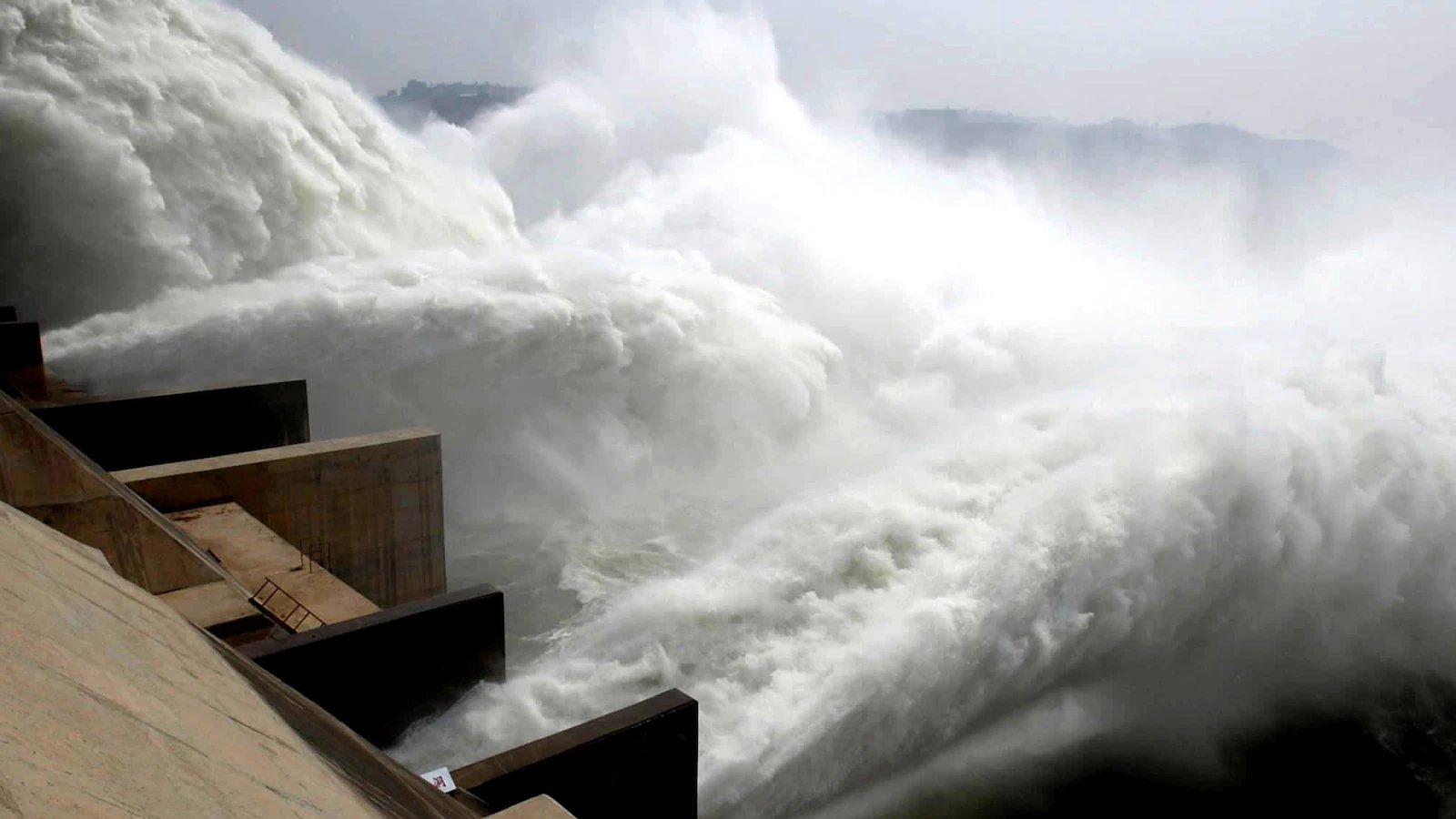
Guwahati: Union Home Minister Amit Shah arrived in Arunachal Pradesh this week for a high-stakes two-day visit, stepping into a volatile situation surrounding the proposed 11,200-megawatt (MW) Siang Upper Multipurpose Project (SUMP). The ambitious infrastructure initiative, spearheaded by the National Hydroelectric Power Corporation (NHPC), has sparked widespread protests from indigenous groups concerned about the environmental and social consequences of what would become India’s largest hydropower and water-storage facility.
A Strategic Necessity
During his visit, the Home Minister acknowledged the apprehension felt by residents of the Siang valley. While promising that the government is committed to a “most positive” dialogue with the local community, he emphasized that the project is not merely an energy venture. Labelled a “National Project” in 2008, the SUMP is viewed by New Delhi as a vital strategic asset.
The impetus for accelerating the project’s pre-feasibility reports stems from geopolitical concerns. Arunachal Chief Minister Pema Khandu has repeatedly pointed to China’s massive upstream developments along the Yarlung Tsangpo—which enters India as the Siang—as a primary driver for the dam. With China constructing a 60,000-MW project in Medog County, just 40 kilometers from the Indian border, without sharing hydrological data, the state government argues that India must build its own “water resilience” to manage potential flows and mitigate risks of flooding or winter water scarcity.
Contentious Ground Reality
Despite the official push, the project remains in the technical investigation phase. Chief Minister Khandu has sought to pacify public anxiety by clarifying that no final decision on construction has been made. He stressed that any move forward would strictly adhere to the Right to Fair Compensation and Transparency in Land Acquisition, Rehabilitation and Resettlement Act of 2013, alongside environmental protection mandates.
The state government has taken steps to formalize the survey process, including signing village-level memorandums of understanding (MoUs) and establishing a committee to oversee compensation and rehabilitation frameworks. However, these measures have failed to quiet the opposition.
Local Resistance and Unrest
The Siang Indigenous Farmers’ Forum (SIFF), along with various local youth associations and cultural bodies like the Adi Baane Kebang, remain staunchly opposed to the preliminary surveys. They argue that the reservoir would lead to the irreversible loss of ancestral lands, paddy fields, and orchards.
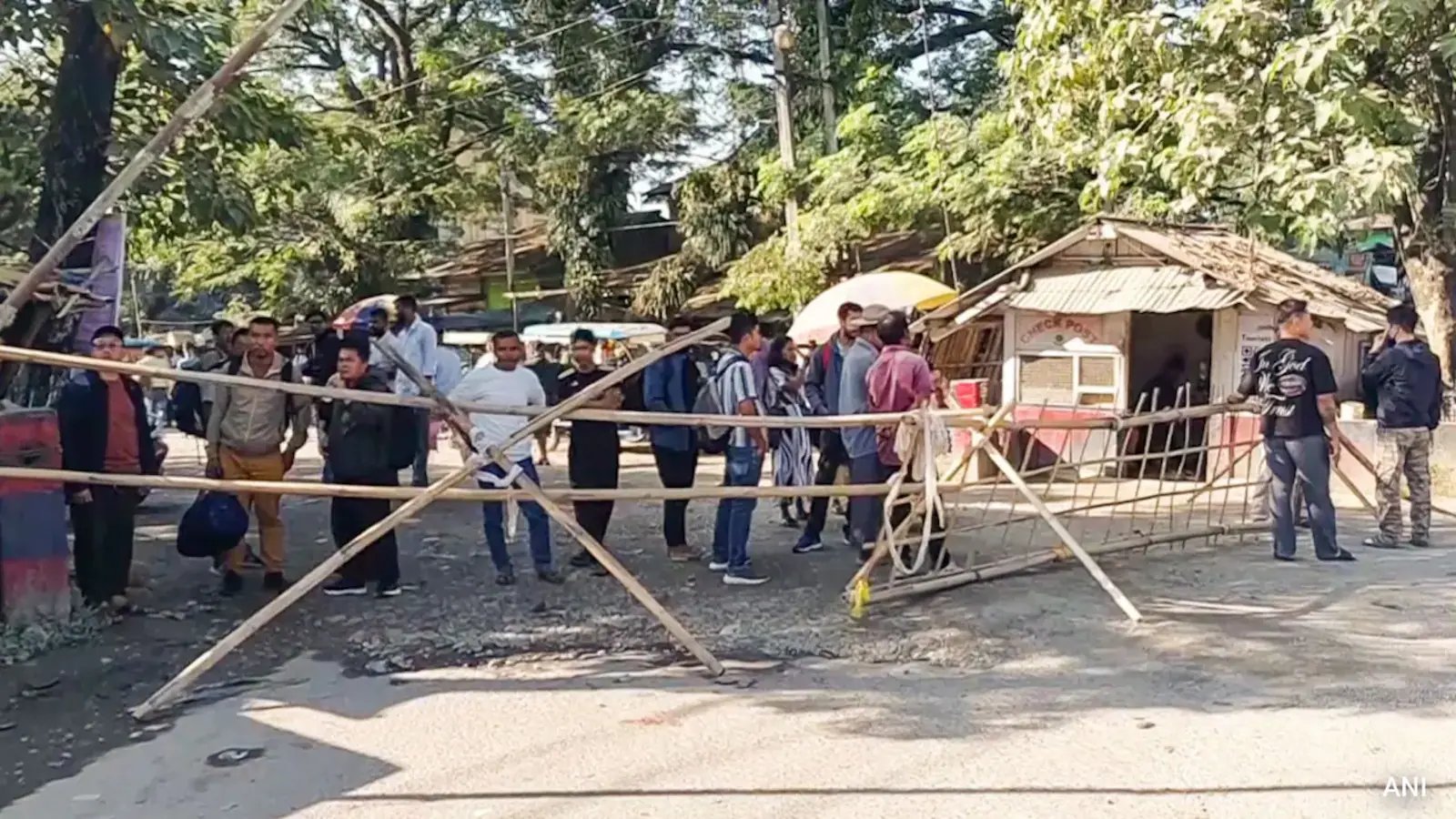
The tension recently boiled over in October, when a 12-hour protest shutdown escalated into violence in Pasighat. Angry crowds targeted an NHPC office and police vehicles, leading to the detention of several activists under the Arunachal Pradesh Unlawful Activities (Prevention) Act. In response, authorities deployed over 30 companies of Central Armed Police Forces (CAPF) to maintain order.
Current talks remain fragile. The SIFF has conditioned its participation in government-led dialogues on the withdrawal of CAPF units and the dropping of criminal cases against protesters. Meanwhile, voices like that of former Union minister Ninong Ering suggest that the technical studies must proceed to ensure the public knows the project’s true “submergence footprint,” arguing that informed debate is the only way to avoid the protracted social conflicts seen in past Indian dam projects.
Disclaimer: This content is auto-generated for informational purposes only.
Source: Read Original News