









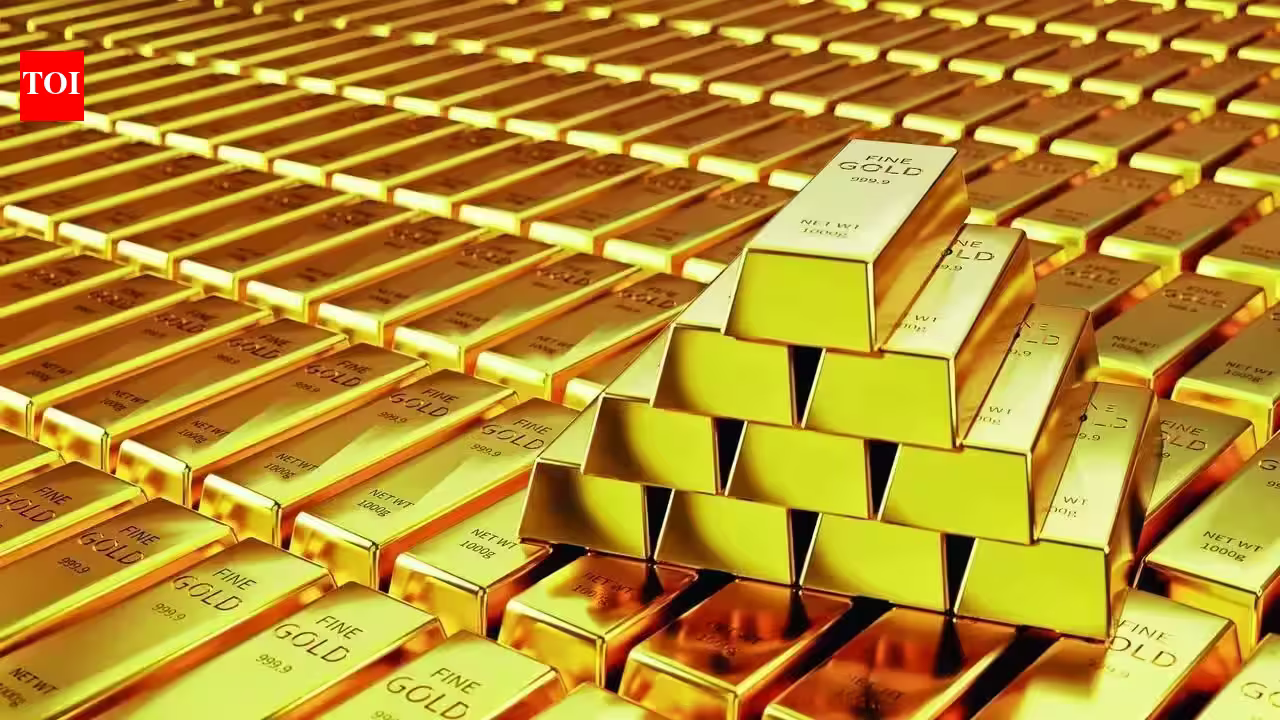
The Macroeconomic Drivers Behind the Global Bullion Retreat
The recent sharp correction in global bullion markets marks a significant turning point in the precious metals landscape. Gold and silver, traditionally perceived as hedges against economic uncertainty, have faced severe downward pressure as the macroeconomic environment undergoes a fundamental shift. The primary catalyst for this sell-off lies in the hardening stance of the Federal Reserve and the broader recalibration of interest rate expectations. As central banks signal a “higher for longer” approach to interest rates, non-yielding assets like gold lose their competitive edge against interest-bearing instruments such as US Treasury bonds.
The divergence between market expectations and reality regarding monetary policy has been stark. With inflation remaining sticky across several major economies, the Federal Reserve has pivoted toward a more hawkish tone. Market participants now assign a high probability to further rate hikes, a move that strengthens the US Dollar and inversely impacts dollar-denominated assets. As the US Dollar index approaches critical resistance levels near the 104-mark, the cost of holding bullion increases for international investors. This strength in the dollar acts as a structural weight, preventing any sustained recovery in precious metal prices.
Impact of Geopolitical Instability and Economic Data
While interest rates dominate the headlines, the role of geopolitical instability remains a complex variable. Despite ongoing conflicts in Ukraine and stalled negotiations involving Iran, the traditional “safe-haven” premium that usually supports gold has not materialized with its customary intensity. This suggests that the current market regime is driven more by liquidity dynamics and cost-of-capital considerations than by fear-based hedging.
Investors are currently turning their attention to a dense calendar of economic indicators. The upcoming US Gross Domestic Product (GDP) figures, housing data, and Purchasing Managers’ Index (PMI) readings are critical for shaping the near-term outlook. Any sign of economic softening could lead to a temporary pause in the Fed’s tightening cycle, potentially providing a floor for gold. However, if these data points reflect resilience in the US economy, the case for higher interest rates remains intact, sustaining the current pressure on bullion. The lack of clarity in global diplomacy further exacerbates uncertainty, forcing institutional investors to prioritize liquid, high-yield assets over physical commodities.
The Indian Context: Rupee Fluctuations and Domestic Pricing
The situation in the Indian market provides a unique case study in how domestic factors interact with global trends. On the Multi Commodity Exchange (MCX), the recent 11 per cent plunge in gold futures and the even sharper 16 per cent drop in silver futures highlight the vulnerability of local prices to global contagion. However, the dynamics of the Indian market are further complicated by the fluctuations of the Indian Rupee.
A stronger rupee often acts as a double-edged sword for domestic bullion pricing. While it makes imports more affordable—thereby reducing the landed cost of gold—it can also compress the margins for domestic traders and jewelers. When international prices drop, the combination of a firm rupee and reduced global demand accelerates the decline in MCX prices. Furthermore, India’s domestic inflation trajectory mirrors global concerns, leading to speculation that the Reserve Bank of India may also need to maintain a restrictive monetary stance. This creates a challenging environment for retail gold demand, as the traditional cultural affinity for the metal encounters a period of extreme price volatility and uncertainty.
Industrial Demand and the Silver Contraction
Silver occupies a distinct position in the current market, as it is heavily influenced by industrial demand in addition to its status as a monetary metal. The recent collapse in silver prices, which significantly outpaced the decline in gold, can be attributed to the broader sell-off in industrial metals like copper and zinc. Silver is an essential component in various high-growth sectors, including electronics, renewable energy, and, notably, the manufacturing of artificial intelligence-related hardware.
The cooling of the AI-linked stock market has reverberated through the industrial commodities complex. As sentiment regarding the immediate trajectory of tech-heavy industrial production softens, the demand forecast for silver as an industrial input has weakened. This “double hit”—declining investment demand due to high interest rates and falling industrial demand due to slower manufacturing growth—has caused silver to tumble into a correction that many analysts view as deeper and more volatile than that of gold. The industrial metals linkage ensures that silver will likely remain sensitive to the outcomes of major economies’ PMI readings in the coming weeks.
Navigating Market Liquidity and Volatility
The path forward for bullion investors is paved with technical and structural challenges. With the upcoming Thanksgiving holiday in the United States, trading volumes are expected to be thin. In market parlance, low liquidity often acts as a multiplier for volatility. When the market is thin, small trades can lead to disproportionate price swings, as there are fewer participants to absorb buy or sell orders. Consequently, the volatility observed over the last week may persist or even intensify during the holiday-shortened trading week.
For domestic participants, the market landscape is further impacted by local holidays, such as the closure of domestic commodity sessions for Guru Nanak Jayanti. These breaks in the trading calendar, coupled with the global uncertainty surrounding US monetary policy, necessitate a cautious approach. Analysts suggest that the “corrective trend” currently observed is a result of profit-booking and systematic liquidation, rather than a sudden change in the intrinsic value of precious metals. As long as the US dollar remains firm and interest rates continue to command the attention of institutional capital, the trajectory for gold and silver is likely to remain skewed toward the downside, with a high degree of sensitivity to any incoming economic signals from the Federal Reserve. For stakeholders in the Indian bullion industry, monitoring the inverse relationship between the USD and the Rupee will remain the primary method for gauging short-term domestic pricing stability.
Disclaimer: This content is auto-generated for informational purposes only.
Source: Read Original News